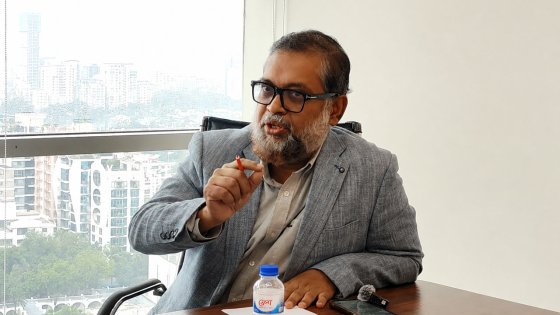
Budget Expectations 2026-27
Call to prioritise local technology services in public procurement

News Desk
09 June 2026, 11:05
For the true development of the country’s information technology sector, budget allocation alone is not sufficient. Rather, the implementation of a strong “local preference” policy - prioritising local tech firms and software in major public and private projects - is now a timely demand. At present, foreign software and services are often given higher priority in large corporate and government procurement, resulting in both talent and money flowing out of the country.
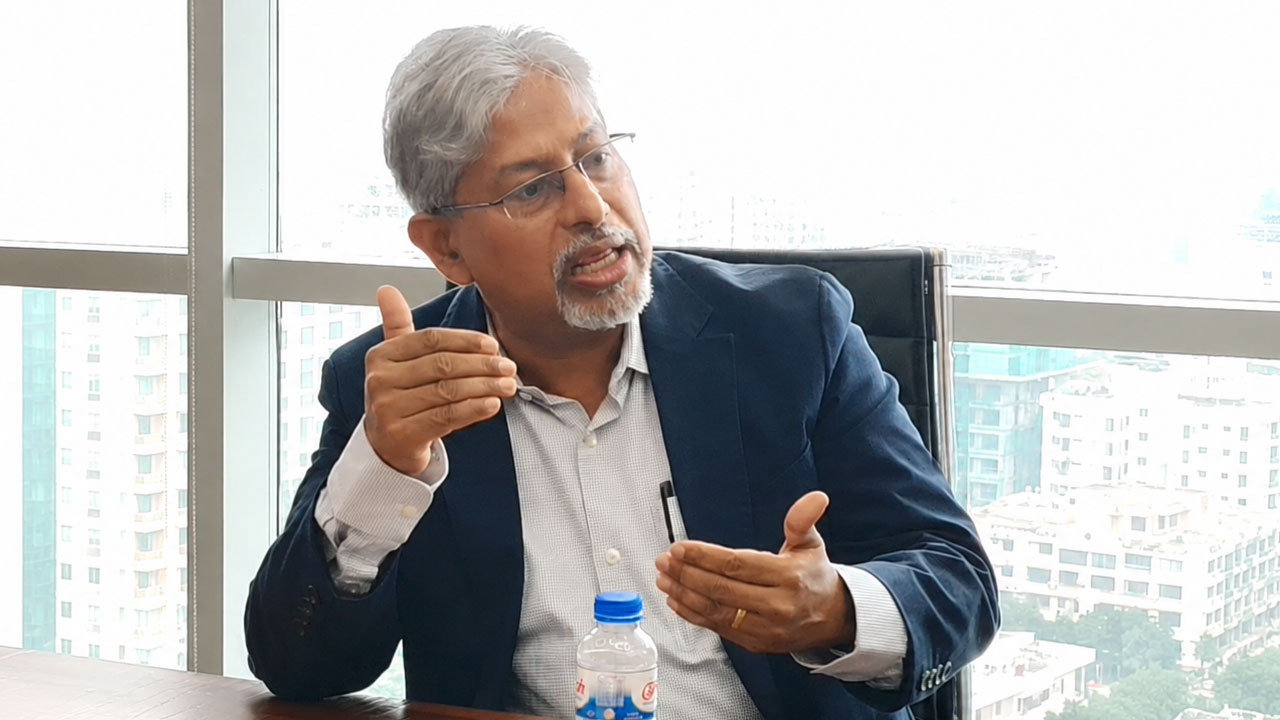
Speaking at a roundtable titled “TechWorld Bangladesh” on Thursday (May 21), organised with the participation of stakeholders from the country’s ICT sector ahead of the national budget 2026–27, Habibullah N Karim, founder and CEO of Technohaven Company Ltd., made these remarks. He also proposed sweeping reforms to address inconsistencies in the country’s IT services, OTT platforms and overall tax structure.
Local preference: a safeguard for the domestic industry
At the beginning of his speech, Habibullah N Karim stressed expanding the market for locally developed technology products. He said:
Citing large telecom and multinational companies such as Grameenphone and Banglalink, he said: “If local software companies were prioritised to meet the IT needs of these large organisations, significantly more value could have been created within the country.”
He further said, “A strong ‘local preference’ policy would not only make domestic entrepreneurs financially self-reliant, but also significantly enhance their innovative capacity. When a local company gets the opportunity to complete a major government project in its own country, it gains the confidence and capability to secure international projects as well.”
Need for data-driven policymaking
Raising questions about the country’s policymaking process, Habibullah N Karim said, “Our policies are often not based on data.”
He emphasised the importance of using industry data from international research organisations such as Gartner, IDC, Forrester and PwC. According to him, policymakers should make evidence-based decisions by assessing global technology trends alongside the capacity of local industries. Policies built on assumptions rather than data often lead to adverse outcomes, he said, calling for a scientific, data-driven approach to budget allocation in the technology sector.

Inequitable tax structure and OTT challenges
Highlighting inconsistencies in the current tax system, he said, “It has become essential to formulate an innovative tax policy for IT services and OTT platforms. The additional tax burden imposed through turnover tax, excise duty and income tax is a major barrier for entrepreneurs.”
He specifically mentioned the need to reform the tax structure for OTT platforms. According to him, while international streaming giants operate in the country, local platforms are being destroyed due to unequal tax and regulatory pressures. A balanced tax framework, he said, should encourage local innovation while ensuring sustainable government revenue.
Connectivity: the main driver of development
According to Habibullah N Karim, there is no alternative to data communication and connectivity for sustaining the digital economy. High-speed internet and uninterrupted data connectivity not only support the IT sector but also accelerate growth in education, health and agriculture.
He advised policymakers and industry stakeholders to sit together and remove barriers to connectivity. Only by reducing internet costs and ensuring uninterrupted service, he said, can the benefits of digitalisation reach all sectors of the country.
New development model and tax-GDP ratio
Highlighting macroeconomic challenges, he called for a new development model. Habibullah N Karim said, “The government is currently under significant pressure to generate revenue. Bangladesh’s tax-to-GDP ratio is extremely low. However, it is not possible to increase this ratio by imposing taxes only on the IT sector. Instead, a modern and updated tax policy should be introduced to create an environment where businesses can grow in scale. As businesses expand, overall government revenue will also increase.”
He believes that unless longstanding inconsistencies in the budget process are addressed, achieving desired economic targets will remain difficult.
Unified policy and private sector participation
He called for closer coordination between the government and the private sector in budget implementation and policymaking.
Habibullah N Karim said, “Rather than repeatedly raising the same complaints or demands, it is now time to regularly update policies in line with real-world conditions. Without effective partnerships between government agencies and industry organisations, no major national transformation is possible. In particular, the IT sector needs a unified policy that can guide technological transformation across all sectors.”
Future challenges and positive outlook
In the concluding part of his remarks, he urged the need to adapt to the rapidly changing technological landscape. Habibullah N Karim said, “Important sectors such as technology and the stock market must be brought under a unified national policy framework.”
He expressed confidence that Bangladesh can achieve its digital ambitions through a positive mindset and realistic policymaking. For this, he said, long-term patience and collective effort are required.
In conclusion, Habibullah N Karim said, “If we truly want to become self-reliant in technology, we must first trust our own talent and products. ‘Local preference’ is not just a term; it should be a national mindset. The opening of domestic service usage at government and corporate levels will be the true foundation of a new Bangladesh.”