Galaxy Z TriFold: A bold new turn for foldables

Staff Reporter
18 December 2025, 21:42
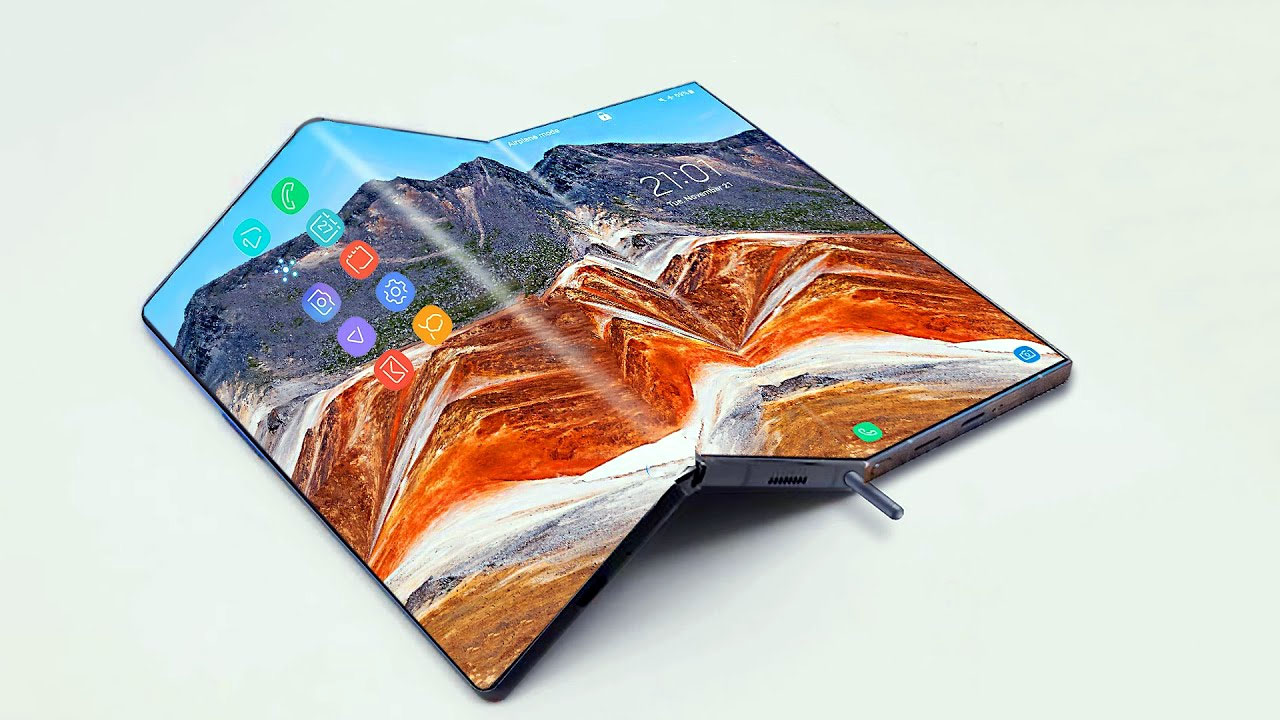
Samsung has officially entered the tri-fold race with the Galaxy Z TriFold, a phone that folds twice and unfolds into a nearly tablet-like experience.
When closed, it behaves like a chunky smartphone. When fully unfolded, it stretches into a 10-inch screen that Samsung is positioning as a tool for serious multitasking and big-screen media consumption.
It’s a clear signal that Samsung believes the future of foldables isn’t just about slimmer designs—but about doing more on a single device.
What does “trifold” actually mean?
A trifold phone utilises two hinges instead of one, enabling the device to fold into three sections. In practical terms, that means it can collapse into a pocketable form and then expand much further than a standard book-style foldable.
Samsung’s approach folds inward, keeping the large flexible display protected when the phone is closed—something the company clearly sees as critical for durability.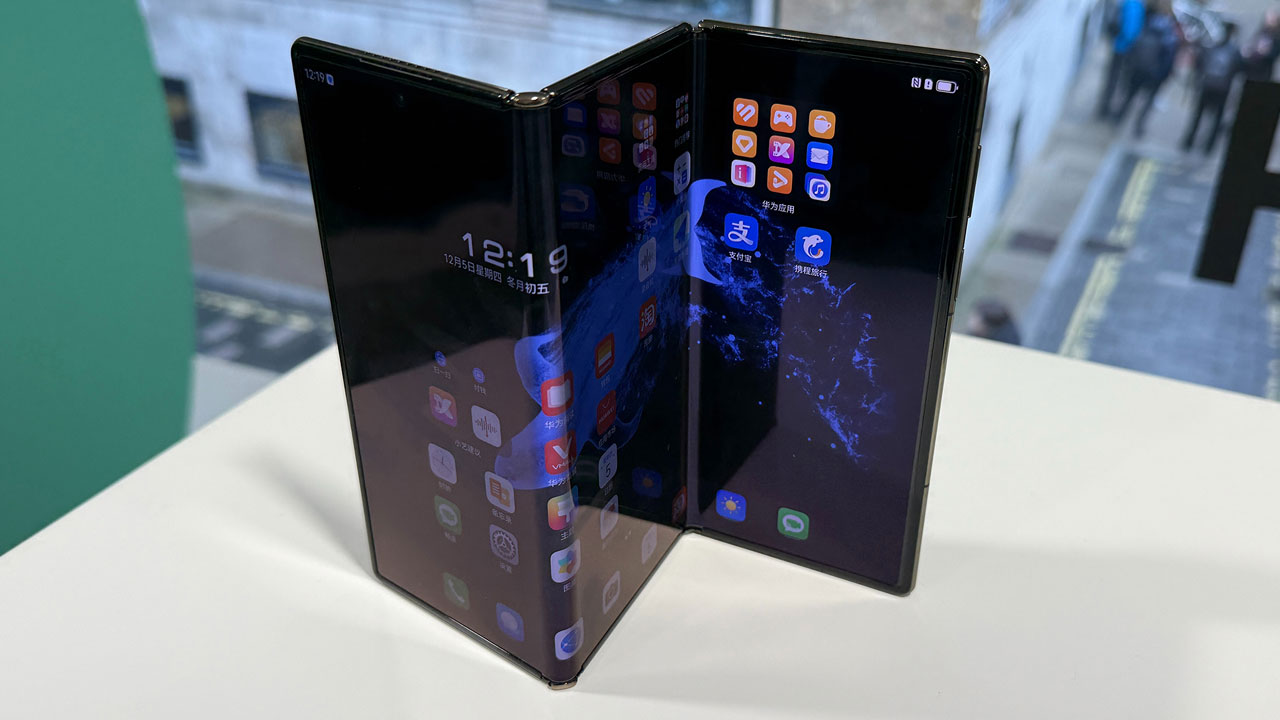
Was there a trifold before?
Samsung isn’t the first to experiment with the idea. Huawei’s Mate XT Ultimate Design drew attention earlier by proving that a consumer-ready tri-fold is possible. What makes Samsung’s entry notable is its scale: this is the first time a major Android ecosystem player has commercially committed to the format, including software support.
How does it feel in your hand?
There’s no getting around it: the Galaxy Z TriFold is heavy. At 309 grams, it weighs more than most smartphones—and even some small tablets. Folded, it’s also quite thick at 12.9mm, which makes it feel substantial in a pocket or hand.
This is not a phone you forget is there. It’s a device you consciously carry.
Open it, and the experience shifts
Unfolding the TriFold feels more deliberate than opening a regular foldable. Samsung even includes an on-screen warning system, complete with vibration alerts, to prevent you from trying to fold it the wrong way.
According to Samsung’s own guidance, the device must be folded left side first (without the camera), then the right, reinforcing that this is still a new category with its own learning curve.
Displays and folding design
On the outside, there’s a 6.5-inch FHD+ cover display with a tall 21:9 aspect ratio, making it comfortable for one-handed use. It supports 1–120Hz adaptive refresh and reaches up to 2,600 nits, which should help with outdoor visibility.
Unfold the phone completely and you get a 10-inch QXGA+ Dynamic AMOLED 2X panel. At 2160×1584 resolution and up to 1,600 nits, it’s clearly designed to feel closer to a compact tablet than an oversized phone.
Performance and cameras
Inside, Samsung uses the Snapdragon 8 Elite for Galaxy, built on a 3nm process, paired with 16GB of RAM. Storage options go up to 1TB, suggesting Samsung expects users to treat this as a primary productivity device.
The camera hardware is flagship-level, featuring a 200MP primary sensor, a 12MP ultra-wide lens, and a 10MP telephoto lens with 3x optical zoom. There are also 10MP front cameras on both the cover screen and the main display, so you’re not forced to unfold the phone for video calls.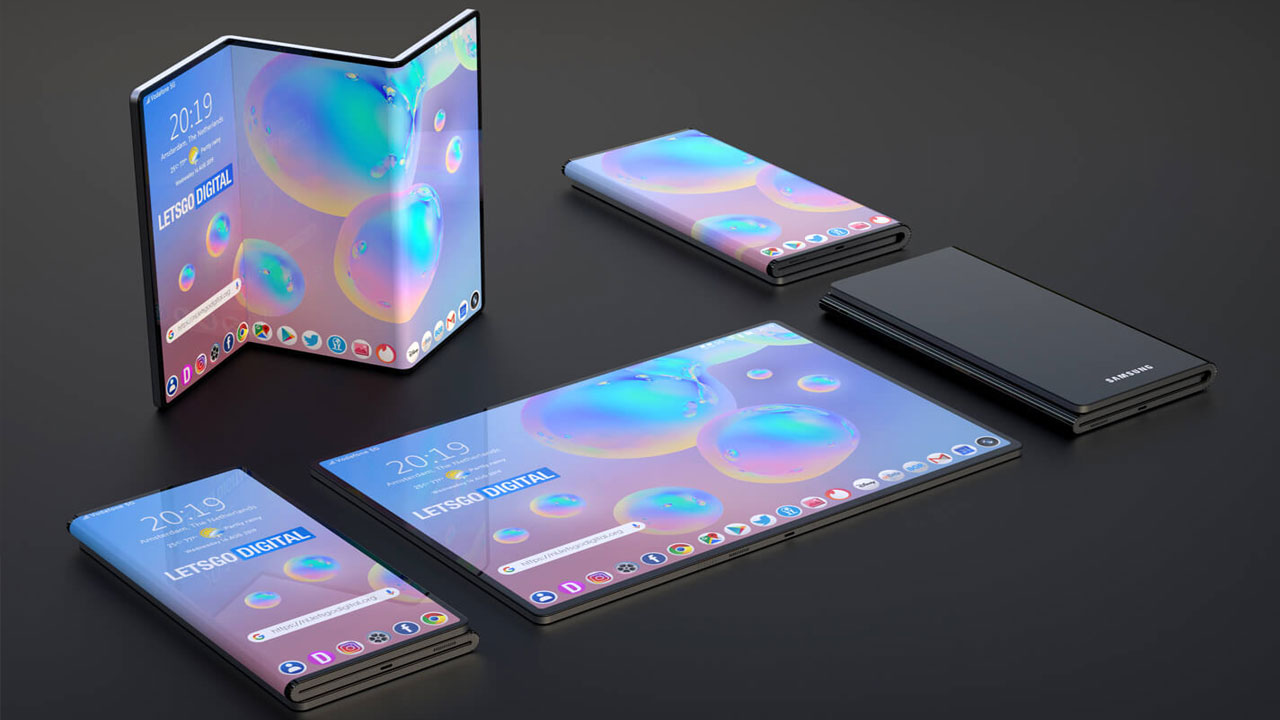
Battery and charging
Powering all of this is a 5,600mAh three-cell battery, which supports 45W wired charging, 15W wireless charging, and Wireless PowerShare.
Samsung rates the device IP48, meaning it offers some water resistance but limited protection against fine dust—still a common limitation for foldables. Some early retail unboxing images in South Korea suggest that a 45W charger may be included, although Samsung’s bundles often vary by region.
New uses for the big screen
Where the TriFold starts to justify its size is productivity. Samsung says the phone can run three portrait-style apps side by side, and it’s the first phone to support standalone Samsung DeX directly on the device—no external display required.
In practice, this means the TriFold can behave like a mini desktop, with windowed apps, keyboard support, and multitasking that goes far beyond typical phone usage.
Where are the limitations?
Early hands-on impressions point to trade-offs. The phone’s weight is hard to ignore, and the tri-fold hinge system limits the number of usable semi-folded “tent” or “flex” positions compared to some rivals.
It remains to be seen how durable the dual-hinge design will prove over the long term.
Price
In South Korea, the Galaxy Z TriFold has been reported at around KRW 3.59 million, roughly US$2,450–$2,500 depending on exchange rates. Samsung is expected to expand availability beyond Korea, including the U.S., in early 2026, although exact timelines haven’t been confirmed.
The Galaxy Z TriFold isn’t trying to be subtle. It’s expensive, heavy, and clearly not for everyone—but it’s also Samsung’s most ambitious foldable yet. For users who want a single device to replace both their phone and tablet, this could be the clearest glimpse yet of where foldables are heading.