How smart grids are reshaping electricity management?

Syed Armaan Ahsan
07 April 2026, 17:01
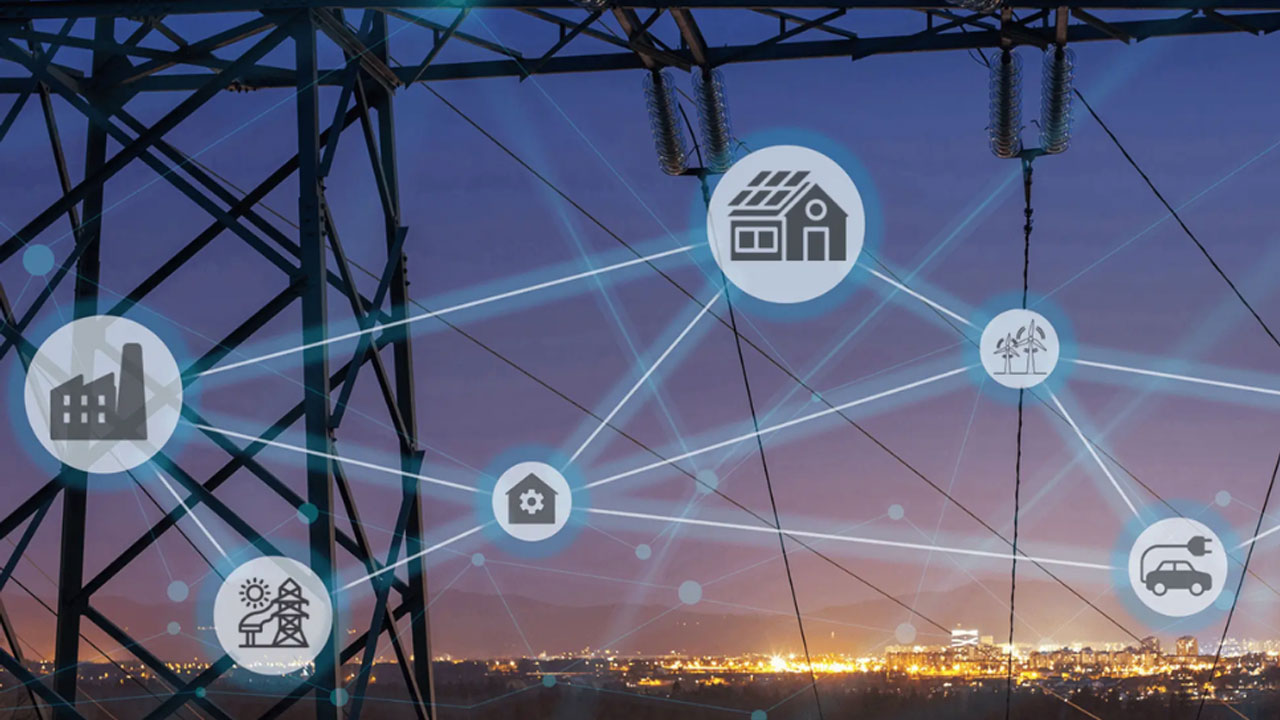
Electricity systems operate on a fundamental rule: supply must match demand at all times. Unlike many other resources, electricity cannot yet be stored at scale with conventional infrastructure, making real-time balancing a persistent challenge.
In Bangladesh, the strain becomes most visible during evening peak hours, when households, businesses and industries draw power simultaneously. Without effective management, the system faces voltage fluctuations and, at times, load shedding—highlighting the need for more responsive grid operations.
From conventional to ‘smart’ systems
A smart grid enhances traditional power infrastructure by integrating digital monitoring, communication and control technologies. Sensors installed across the network collect real-time data on consumption, frequency and voltage, which is transmitted to control centres.
This enables operators—or automated systems—to respond swiftly. Unlike conventional grids that react after disruptions occur, smart grids are designed to anticipate imbalances and adjust proactively, improving overall reliability.
Demand management in focus
A defining feature of smart grids is demand-side management. Rather than solely increasing supply, utilities can influence when and how electricity is used.
Large consumers, such as factories, may be encouraged to shift operations to off-peak hours. Households, meanwhile, can benefit from time-based pricing, where electricity costs less during periods of lower demand. These measures help flatten demand peaks and ease pressure on the grid.
The approach is expected to grow in importance as new forms of demand—particularly electric vehicle charging—expand.
Automation and data-driven efficiency
Automation plays a key role in smart grid systems. Advanced controls can reroute electricity, detect and isolate faults, and restore power with minimal human intervention—reducing downtime and improving efficiency.
At the same time, data analytics enables operators to identify consumption patterns, enhancing forecasting accuracy for both daily cycles and seasonal variations.
Enabling renewable energy integration
Smart grids are also critical for integrating renewable energy sources such as solar and wind. Unlike conventional generation, these sources are variable and dependent on weather conditions, introducing additional uncertainty.
With real-time data and flexible control systems, smart grids can manage these fluctuations. Excess solar power generated during the day, for instance, can be redistributed or stored where feasible, while alternative sources compensate when production declines.
Challenges remain
Despite their benefits, smart grids require substantial investment in infrastructure, technology and skilled human resources. Upgrading existing systems involves installing sensors, modernising control centres and ensuring reliable communication networks.
For Bangladesh, where parts of the grid are still evolving, the transition presents both opportunities and constraints. Careful planning will be needed to ensure compatibility with existing infrastructure while meeting future demand.
A gradual transition
The shift to smart grids is typically incremental. Countries often begin with pilot projects before scaling up. Even modest upgrades—such as improved monitoring and selective automation—can significantly enhance performance.
As electricity demand continues to rise, the ability to manage it intelligently will become increasingly critical. Smart grids, experts say, offer a pathway towards a more stable, efficient and adaptable energy system.