Best Smartphones in 2025: Ultimate Blend of AI, Cameras & Battery

Staff Reporter
17 December 2025, 21:32
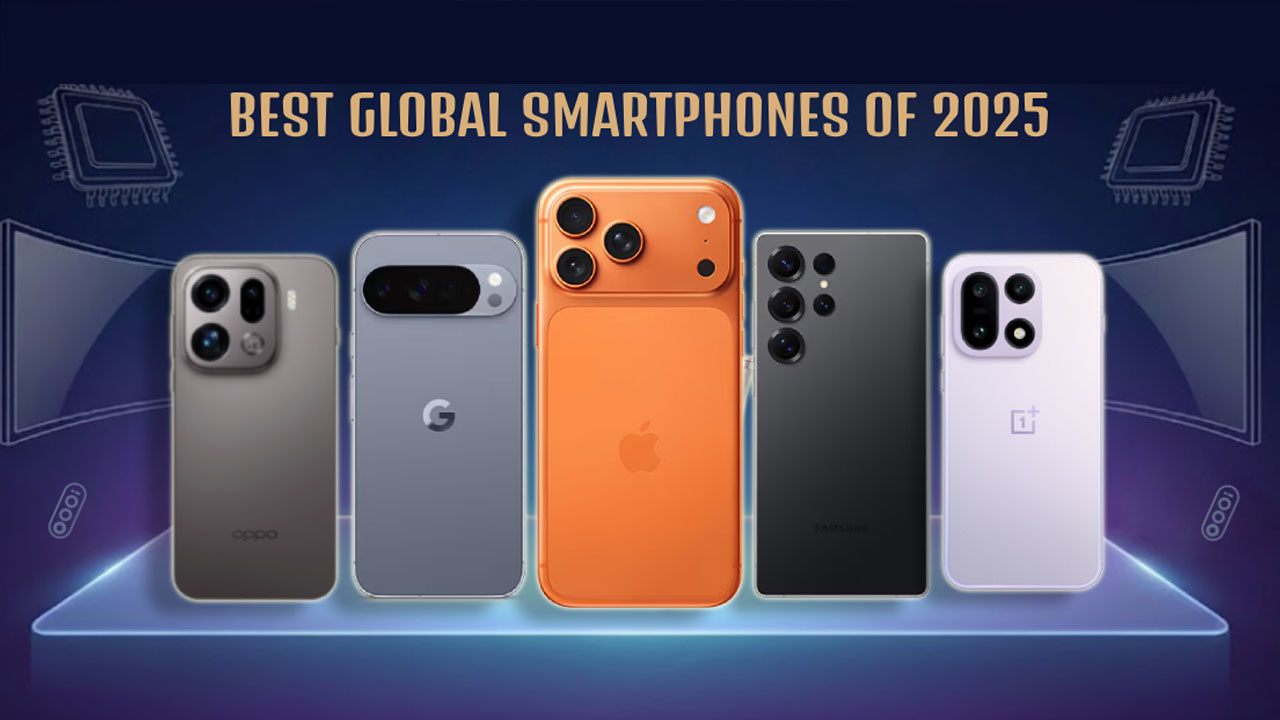
A new ranking of 2025 flagship smartphones highlights how the industry has shifted from experimental hardware to refining core experiences such as artificial intelligence, camera performance and battery endurance.
The line-up of top global devices this year is led by Apple’s iPhone 17 Pro Max, Samsung’s Galaxy S25 Ultra, the OnePlus 15, Google’s Pixel 10 Pro XL and Oppo’s Find X9 Pro.
iPhone 17 Pro Max
Apple’s iPhone 17 Pro Max pushes an incremental but comprehensive upgrade rather than a radical redesign. It pairs the new A19 Pro processor with a brushed aluminium unibody and a revamped 48-megapixel triple rear camera array that includes an 8x optical tetraprism telephoto lens and a larger sensor to improve detail in low light.
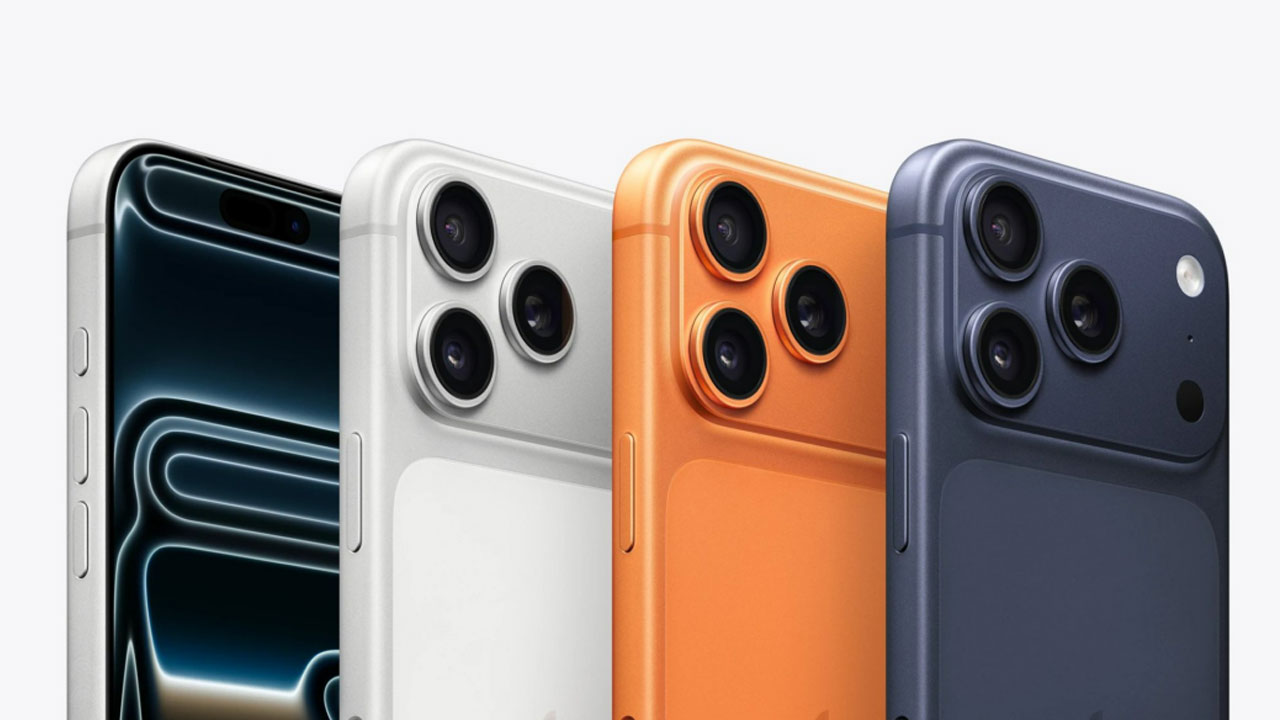
Battery life has been extended to a claimed 37 hours of video playback, supported by a vapour-chamber cooling system designed to keep temperatures under control during heavy use. On the front, an 18-megapixel, more square-format camera is tuned for wide video calls and advanced framing features.
Galaxy S25 Ultra
Samsung’s Galaxy S25 Ultra centres on on-device AI tools rather than headline-grabbing gimmicks. Built around a Snapdragon 8 Elite for Galaxy chipset, it offers features such as automatic call transcription, enhanced Circle to Search and a productivity “Now Bar” that integrates search and shortcuts into daily workflows.
The hardware remains high-end, featuring a 200-megapixel primary camera and upgraded periscope lenses designed to deliver consistent images across various lighting conditions. Samsung’s seven-year pledge for Android and security updates enhances its appeal to buyers seeking long-term support.
OnePlus 15
The OnePlus 15 is positioned as one of the most performance-driven phones of the year. It features a 165Hz AMOLED panel, a 7,300mAh silicon-anode battery, and Qualcomm’s Snapdragon 8 Gen 5 Elite chip, all of which are cooled by a large vapor chamber. The device supports 120W wired fast charging and an ultra-high 3,200Hz touch sampling rate, features that are clearly aimed at gamers and heavy users.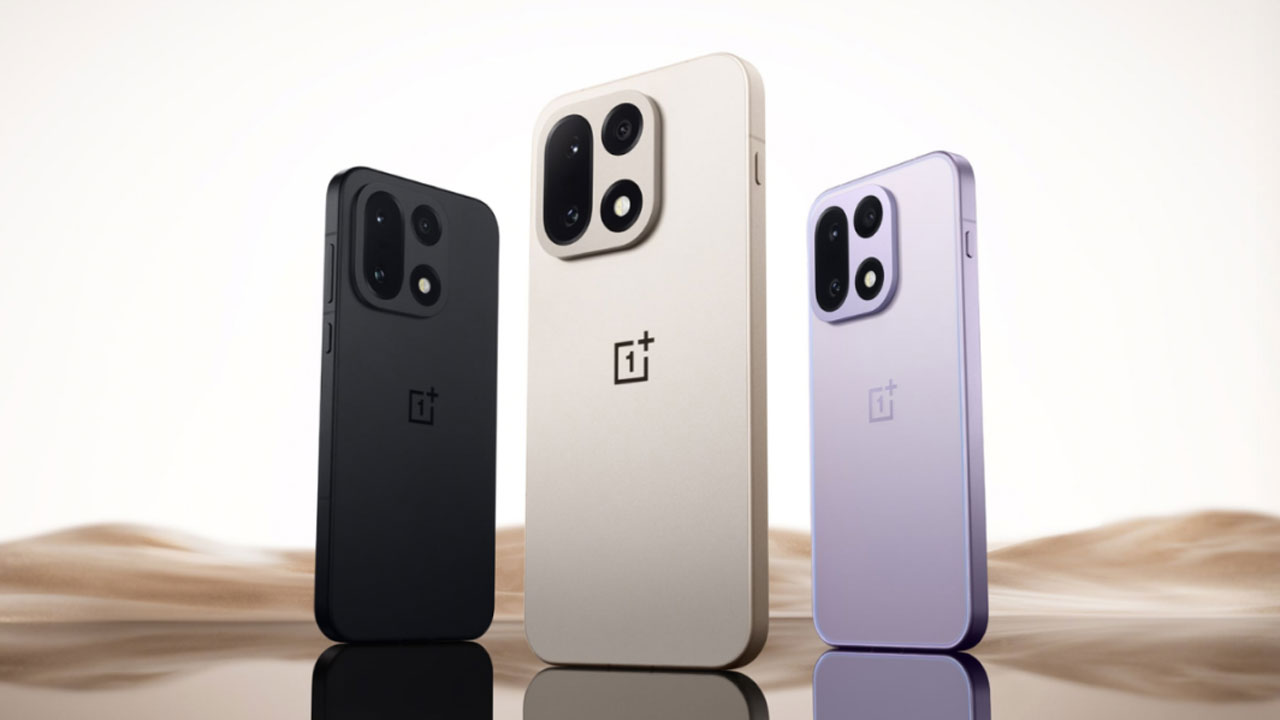
Beyond raw power, the phone incorporates AI-backed enhancements via OxygenOS 16 and Gemini integration, as well as dedicated imaging modes such as “DetailMax” and “Clear Burst” to sharpen portraits and low-light shots.
Pixel 10 Pro XL
Google’s Pixel 10 Pro XL builds its identity around software intelligence. Its in-house Tensor G5 chip is tuned for local AI processing, enabling tools like Camera Coach, Magic Cue and Auto Best Take to run directly on the device, reducing reliance on cloud computing.
The phone maintains the Pixel series’ reputation for strong display quality and dependable camera output and is backed by a seven-year update commitment, positioning it as a long-term daily driver rather than a short-lived flagship.
Oppo Find X9 Pro
Oppo’s Find X9 Pro stands out for its imaging system. It features a 200-megapixel Hasselblad-branded telephoto camera that performs strongly in comparison tests, supported by Real-Time Triple Exposure processing for wider dynamic range. The LUMO Image Engine is designed to maintain power draw while preserving detail and clarity.
The handset also offers a 7,500mAh silicon–carbon battery, a slim, symmetrical chassis, a display capable of reaching 3,600 nits of peak brightness and IP69-rated water resistance, making it one of the more durable premium phones on the market this year.
All of these devices illustrate how 2025’s flagship smartphones are less about experimental form factors and more about combining mature hardware with AI-driven features, longer battery life, advanced camera systems and extended software support.