Tim Cook: 'I've Never Seen Anything Like It'

News Desk
30 June 2026, 11:20
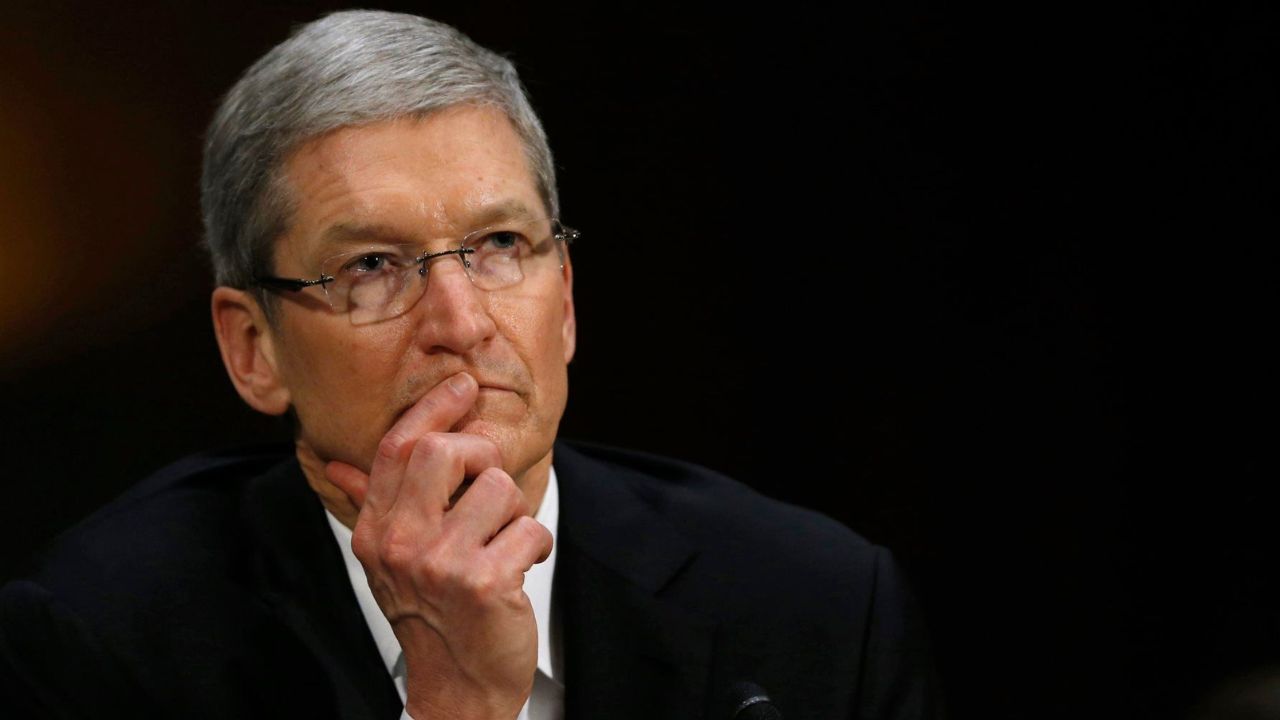
Apple CEO Tim Cook has described the ongoing global memory shortage as a "hundred-year flood," saying he has "never seen anything like it in more than 40 years." Tesla CEO Elon Musk echoed that assessment, writing on X that the surge represents the "biggest price jump in anything I've ever seen."
The comments highlight the growing impact of the AI boom on the consumer electronics industry. As technology giants race to build massive AI data centers, demand for memory chips has surged to unprecedented levels, disrupting global supply chains and driving up production costs for devices ranging from laptops to gaming consoles.
The primary cause is the explosive demand for DRAM - which powers active applications - and NAND flash memory, which stores files, photos and software. Over the past year, prices of both types of memory have reportedly increased nearly fourfold as hyperscalers such as Google, Microsoft, Meta and Amazon prioritize high-bandwidth memory (HBM) for AI servers. As manufacturers shift production toward data center-grade memory, supplies for consumer devices have tightened significantly.
The shortage is now being felt across the technology industry.
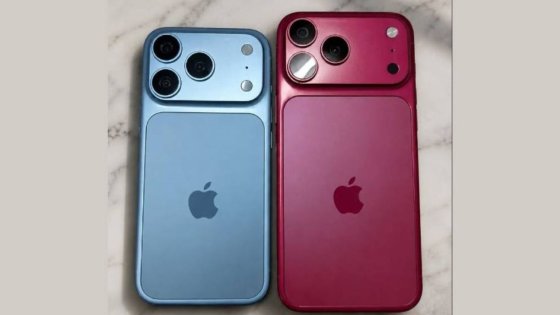
Apple recently increased prices of several products, including MacBooks, iMacs, iPads, HomePods and Apple TV, with some models becoming up to US$300 more expensive. According to The Wall Street Journal, Apple raised Mac prices by roughly 15% to 20%, while iPad prices increased by around 15% to 25%.
Among the revised prices:
- MacBook Air: up US$200 to US$1,299
- MacBook Pro: up US$300 to US$1,999
- MacBook Neo: up US$100 to US$699
- iPad Air: up US$150 to US$749
- iPad Pro: up US$200 to US$1,199
In a statement shared with The Times of India, Apple said it had absorbed rising component costs for as long as possible before deciding to pass some of the burden on to customers.
"The consumer electronics industry is facing an unprecedented challenge. The rapid expansion of AI data centers has created an extraordinary surge in demand for memory and storage. We have never seen a component price increase this much, this quickly," the company said.
Apple added that it had worked to shield customers from higher prices but had reached a point where price adjustments for Macs and iPads had become unavoidable.
Microsoft has also been forced to respond. Beginning August 1, the company will raise prices of Xbox consoles by US$100 to US$150, citing the same global memory and storage cost pressures affecting the broader electronics industry.
Elon Musk warned that the supply imbalance remains severe.
"The production shortfall relative to demand is insane. MUCH higher production is needed."
Musk has previously argued that memory - not AI processors - is now the biggest bottleneck for AI development. To address the issue, Tesla has announced the Terafab project with Intel and SpaceX, a multibillion-dollar initiative aimed at manufacturing logic chips, memory and advanced packaging technologies under one roof.
Industry analysts expect memory prices to remain elevated until additional manufacturing capacity comes online, meaning consumers could continue to face higher prices for smartphones, computers and other electronic devices over the coming months.