Google’s ‘Aluminium’ OS could turn Chromebooks into Android PCs

Staff Reporter
17 December 2025, 23:09
Google no longer keeps many of its new ideas secret. The company often shows small new features and products early. It has also largely stopped hiding new Pixel phones before significant launch events, sometimes posting official teasers to reduce rumours.
However, some plans remain more guarded. One of the biggest is Google’s push to unify Android and Chrome OS into a single system for PCs. The writer said they searched online to see what is known so far about this new software, how ambitious Google’s goals may be, and what it could mean for Chromebooks.
Moving beyond ChromeOS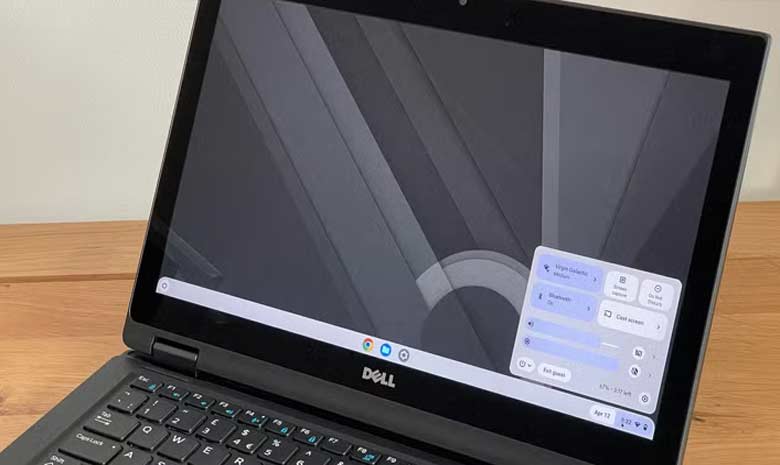
Chromebooks still sell mainly to schools and businesses, but ChromeOS has not grown much beyond those markets, even though Chromebooks often cost less than Windows laptops. Two problems have stood out: many ChromeOS devices perform poorly when offline, and the platform has remained a niche option compared to the broader support and flexibility of its rivals. It was a significant change when Google added support for Android apps on Chromebooks.
Rumours about Google combining Android and ChromeOS surfaced about a year ago. In July 2025, Google confirmed the plan in an interview with TechRadar.
In September, at Qualcomm’s Snapdragon Summit, Google announced that it was collaborating with Qualcomm on a platform that combines mobile and desktop computing, with a focus on AI. Google executive Rick Osterloh said the companies were “building together a common technical foundation for our products on PCs and desktop computing systems.”
“Aluminium OS” and what it suggests
A removed job listing, first highlighted by Android Authority, used the codename “Aluminium” and sometimes shortened it to “ALOS.” The spelling appeared to be a nod to Chromium, the open-source project that underpins ChromeOS and the Chrome browser.
The listing described managing ChromeOS and ALOS devices across several types of products—“laptops, detachables, tablets, and boxes”—and across tiers including “Chromebook, Chromebook Plus, AL Entry, AL Mass Premium, and AL Premium.” That points to an effort to move beyond the budget laptop space, where most Chromebooks reside.
The same listing also referenced a transition “from ChromeOS to Aluminium with business continuity in the future,” suggesting Google may want to phase out ChromeOS while still supporting business customers that cannot quickly replace large numbers of devices.
What it could mean for Chromebooks 
Many details remain unknown, including the final public name. Android Authority has reported that some Google engineers refer to today’s system as “ChromeOS Classic” or “non-Aluminium ChromeOS,” which could mean the ChromeOS name survives, but the software changes significantly. Another idea mentioned is “Android Desktop,” though that could be confused with Android 16’s Desktop Mode.
Some existing Chromebooks may be eligible for to upgrade. Aluminium is reportedly being tested on development boards using MediaTek Kompanio 520 and 12th-generation Intel Alder Lake processors, though devices would also need to meet RAM and storage requirements.
AI may be the biggest obstacle. Google has said Gemini will be central to Aluminium, and older chips may not handle those features smoothly or fully. Many newer processors now include hardware designed to speed up AI tasks. Google has previously brought a limited form of Gemini to older Nest speakers and smart displays, but more advanced features—such as heavier on-device processing using local files and graphics—could slow down machines built mainly for web apps.
Who Google may be chasing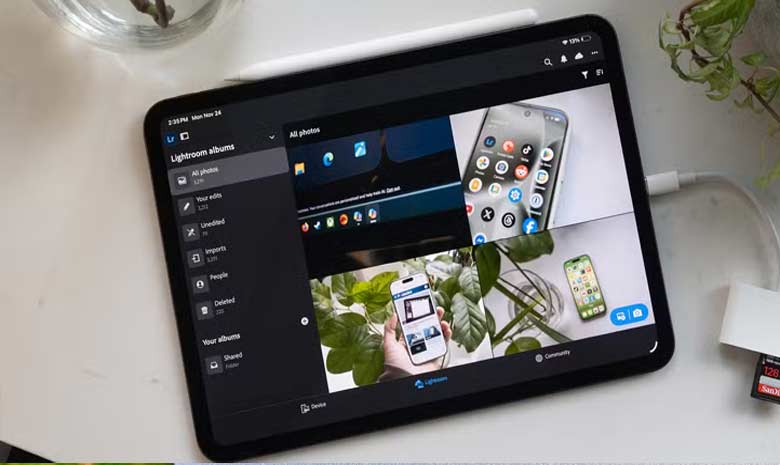
Google still faces a significant challenge if it wants to compete with Windows PCs and Macs. Android is far more widespread than ChromeOS, but Google would need to convince users that an Android-based PC can match the software depth of Windows and macOS. The company has also struggled to encourage developers to create robust tablet versions of Android apps, and users may be disappointed if they cannot run demanding software, such as the latest Call of Duty or the most advanced Adobe Photoshop.
One Android Authority source said Google’s real target may be the iPad. Statcounter data has shown Apple holding more than half of the global tablet vendor market.
In recent years, Apple has been pushing iPads closer to laptops. The iPad Air and iPad Pro models use the same M-series chips as MacBooks, and iPadOS 16 adds more Mac-like multitasking features, including the ability to place multiple windows more freely.
The report argued that iPads also benefit from an extensive range of high-quality iPadOS apps, which are widely used in schools and businesses—areas where Chromebooks have traditionally been strongest.
Timeline
The reported official window for Aluminium is sometime in 2026. An announcement could come as early as January, but it is more likely to occur at a significant event, such as Google I/O in May, or later in the year alongside Pixel launches.
According to the report, the software is expected to ship in tandem with Android 17, with a possible first wave of Android PCs reaching stores in time for the 2026 holiday season, provided there are no delays—although hardware could also to delayed until 2027.