Budget Expectations 2026-27
Separate Policy and Collection Roles at NBR, Experts Suggest

News Desk
09 June 2026, 12:32
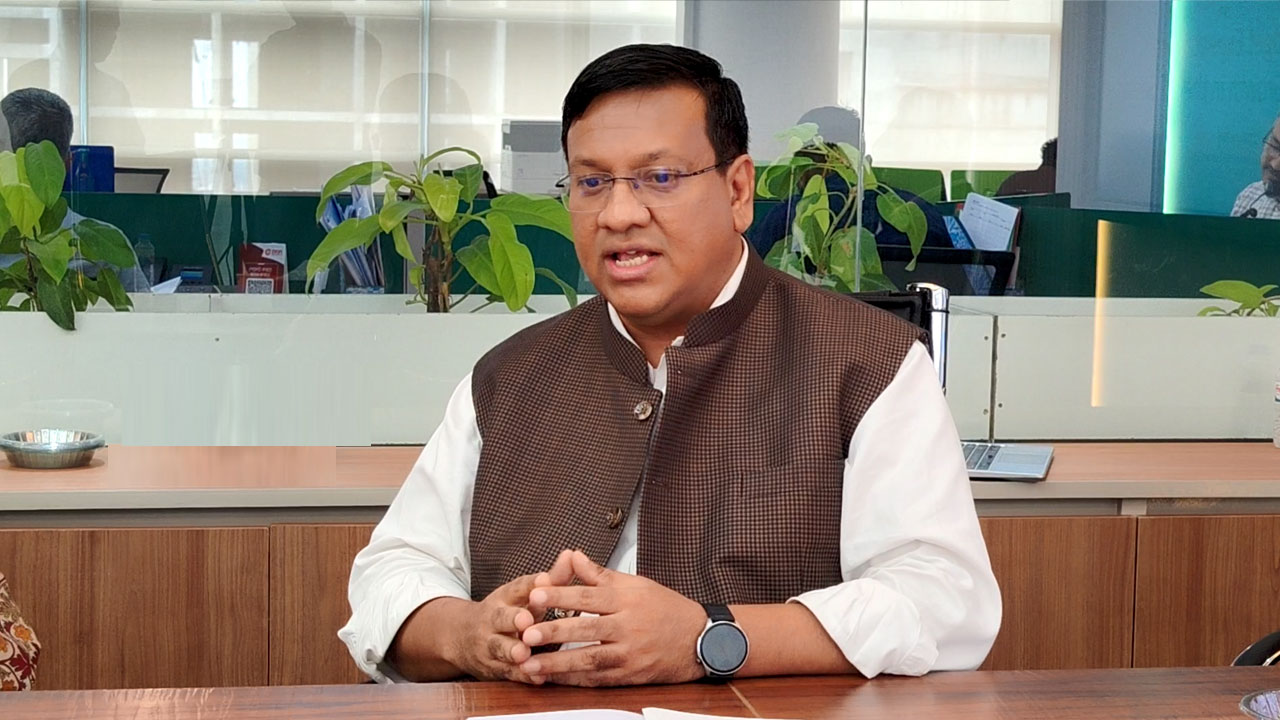
Technologists and business leaders have called for a fundamental overhaul of the National Board of Revenue (NBR) structure to address the country’s current economic realities and widening revenue shortfall. Instead of increasing tax rates and burdening ordinary taxpayers, they stressed the need to expand the tax base.
The proposal was highlighted at a roundtable discussion organised by TechWorld Bangladesh on Thursday (21 May), ahead of the national budget for FY2026–27, involving stakeholders from the ICT sector. Centre for Policy Dialogue (CPD) Additional Director Tawfiqul Islam Khan presented an overview of the macroeconomic situation and strongly argued that separating NBR’s policy-making and revenue collection functions is essential to ensure transparency.
Alarming decline in tax-to-GDP ratio
In his analysis, Tawfiqul Islam Khan painted a worrying picture of the macroeconomic situation, noting that Bangladesh’s tax-to-GDP ratio has fallen below 7 percent.
He said this is extremely discouraging for a developing economy and cannot support sustainable national operations. Citing data from FY2024–25, he noted that the government is no longer generating sufficient revenue even to meet routine operational expenditures, let alone development costs. As a result, the state is increasingly reliant on borrowing to finance both development projects and day-to-day spending. He stressed that there is no alternative to reforming traditional tax collection mechanisms.
Repeated tax burden on the same taxpayers
To bridge the revenue gap, the government often imposes additional taxes on existing taxpayers. Criticising this trend, Tawfiqul Islam Khan said tax burdens are repeatedly being increased on the same individuals instead of expanding the tax net.
He referred to discussions on raising the highest personal income tax rate from 30 percent to 35 percent, calling it a violation of tax fairness. According to him, increasing rates on compliant taxpayers further encourages tax evasion. The core problem, he argued, lies not in tax rates but in structural weaknesses and a complex tax system that discourages compliance. Unless the tax payment process is simplified, people will remain reluctant to pay taxes.
Complex tax system and refund complications
Explaining why businesses often avoid compliance, he pointed to the existing system of Advance Income Tax (AIT) and Advance VAT (ATV) at the import stage. He said these mechanisms often strain businesses’ working capital, as taxes are deducted regardless of actual value addition.
The subsequent process of adjustment or refund is lengthy and cumbersome. This complexity and harassment, he noted, push many businesses toward irregular practices. A transparent and efficient refund mechanism, he argued, would significantly improve tax compliance.
Heavy reliance on easily taxable sectors
The researcher also questioned the government’s revenue strategy, saying it tends to rely on sectors where collection is easiest, such as mobile internet and telecom services.
Since these are highly organised sectors, supplementary duties are easier to collect. However, he warned that such short-term approaches are restricting access to digital services for ordinary people. In the long run, he said, this short-term revenue strategy is becoming a barrier to the growth of the digital economy.
Bold proposal to reform NBR
A key recommendation from Tawfiqul Islam Khan was structural reform of the NBR. He proposed a complete separation between policy formulation and revenue collection.
At present, the same institution sets tax policy and also implements and collects revenue, which creates a conflict of interest and undermines neutrality. According to him, an independent policy-making body and a separate administrative collection authority would make policymaking more data-driven and impartial, while also ensuring greater transparency and accountability in revenue collection.
Future challenges and data-driven policymaking
He also highlighted a lack of data analysis in policymaking, particularly in a fast-changing technology sector.
He said various sub-sectors often raise demands, but these are not always backed by evidence-based analysis presented to policymakers. In particular, he stressed the need for policy readiness in areas such as freelancing and AI-driven future employment markets. Without a strong link between policymaking and data analysis, he warned, the country could face serious economic challenges ahead.
Investment and mindset shift
He called for equal importance to be given to both local and foreign investment. To remain competitive globally, Bangladesh must adopt more open and effective policies to attract foreign investment.
He also pointed out a prevailing negative mindset that often assumes “this is not possible here.” Urging a shift in perspective, he said that with a more positive outlook and realistic policymaking, Bangladesh can achieve its development goals.
Finally, he noted that the country’s widening revenue deficit has now reached around Tk 1 lakh crore. To address this, he said, simply imposing new taxes will not be enough. Instead, fundamental reform of the entire tax system is required. Expanding the tax base, rather than increasing the tax burden, is the only sustainable path toward long-term development.