Budget Expectations 2026-27
Policy Uncertainty, Grey Market Threaten Mobile Manufacturing Industry

News Desk
10 June 2026, 10:03
Despite significant investment in Bangladesh’s mobile handset manufacturing industry, the sector is facing a serious threat to its sustainability due to the absence of a long-term and coordinated policy framework. On the one hand, an inconsistent tax structure and frequent policy changes are eroding investor confidence; on the other, a grey market accounting for nearly 50 percent of handset sales is pushing legitimate manufacturers to the brink. Against this backdrop, industry stakeholders have called for coordinated policy action and the formation of a strong central forum ahead of the national budget announcement.
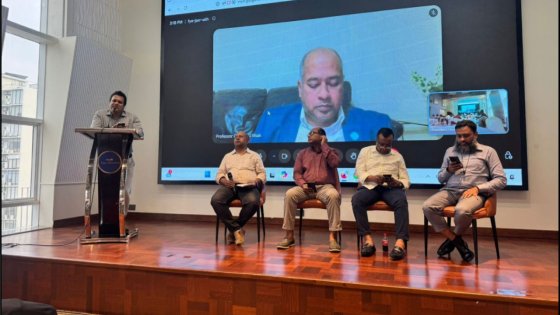
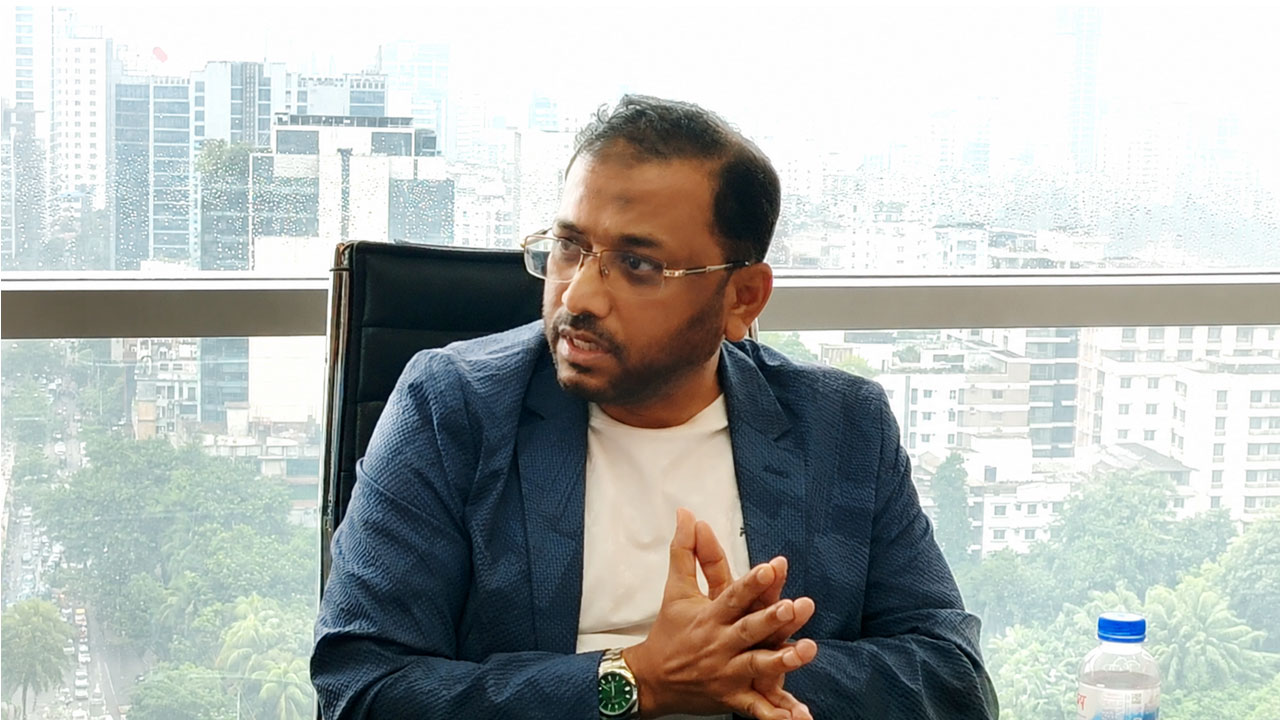
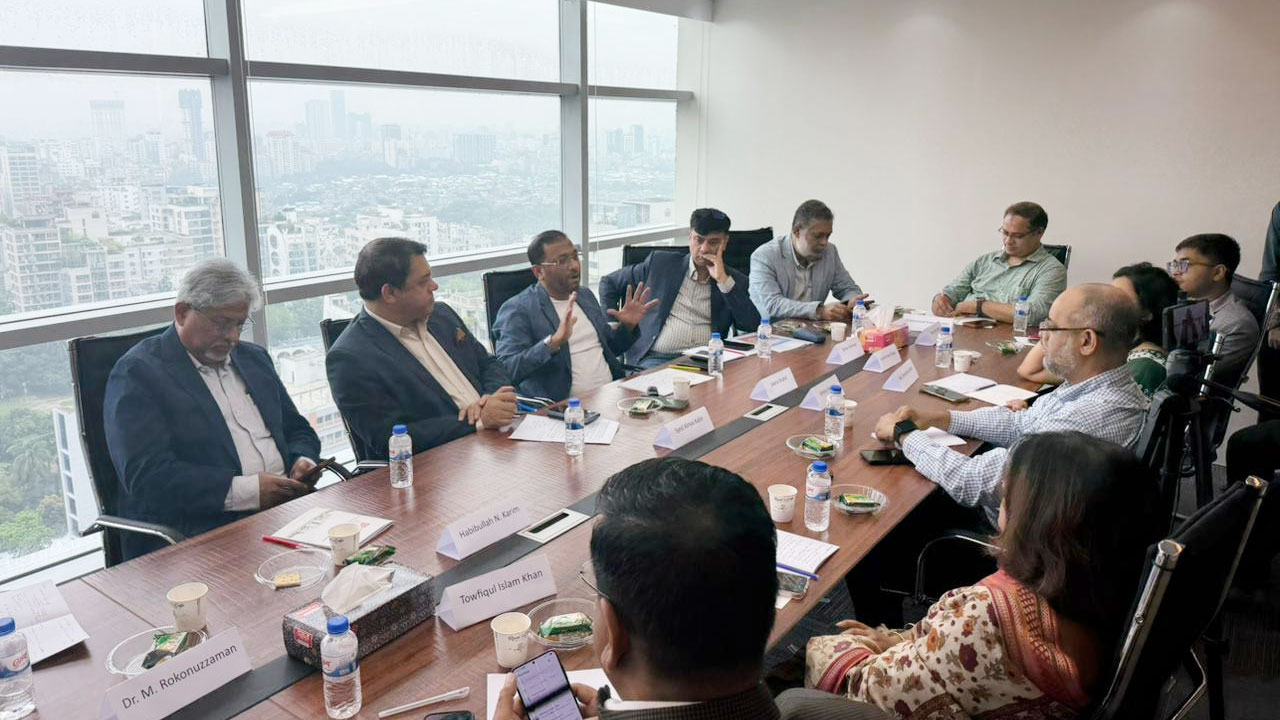
At a roundtable discussion organised by TechWorld Bangladesh on May 21, with the participation of various stakeholders from the country’s ICT sector ahead of the FY2026-27 national budget, Bangladesh Mobile Phone Industry Owners Association (MIOB) President Zakaria Shahid highlighted the challenges facing the mobile manufacturing industry. He said that although 18 companies have made substantial investments in the sector since 2017, annual changes in budgetary policies continue to hinder its progress.
Lack of Coordination Among Industry Bodies and Policy Confusion
At the outset of his remarks, Zakaria Shahid identified the lack of coordination among ICT sector associations as a major weakness. He said:
High Operator Charges and Complex Guidelines
Zakaria Shahid also criticised the dominance of mobile operators in the content and digital services segment. He noted that when content or digital services are brought in from abroad, mobile operators deduct nearly 60 percent of the revenue upfront as charges. Service providers must then pay separate fees to the Bangladesh Telecommunication Regulatory Commission (BTRC) and comply with a range of complex regulatory guidelines.
“In many cases, these guidelines are enforced inconsistently - applied in one area but ignored in another. This entire administrative and commercial complexity has become a major obstacle for innovators in the sector,” he said.
Frequent Policy Changes Undermining Investor Confidence
Highlighting the investment climate in mobile manufacturing, Zakaria Shahid said:
“It takes at least five to ten years for an industry to become fully established after initial investment. But in Bangladesh, new decisions regarding incentives and tax benefits are introduced almost every year through the national budget. Benefits granted one year are often withdrawn the next. Such instability is not reassuring for either local or foreign investors. Although 18 companies have invested in the sector, the prevailing uncertainty is preventing them from making long-term business plans.”
Irrational Tax Structure and Flawed Valuation System
Expressing concern over inconsistencies in the tax regime, the MIOB president said, “A 5 percent Advance Income Tax (AIT) is a significant burden for this industry. When net margins in many cases hover around 20 percent, imposing a substantial tax deduction at the outset disrupts the overall business balance.”
He also questioned the customs valuation methodology applied to the sector.
“Products in the ICT sector are being assessed using valuation formulas designed for garments or footwear, which is far from realistic. Their internal components and intellectual property primarily determine the value of mobile phones and technology products. Due to this flawed valuation system, companies like Symphony were once forced to halt mobile phone exports despite having successfully entered foreign markets.”
The Challenge of Moving from Assembly to a Component Ecosystem
While Bangladesh has achieved success in mobile phone assembly, it has yet to develop a robust component manufacturing ecosystem. Zakaria Shahid said, “Countries such as Japan, China and Vietnam gradually built their component industries over time. In Bangladesh, however, even though modern production facilities such as Surface Mount Technology (SMT) lines exist, they are often compelled to operate at half their capacity.”
Referring to battery manufacturing, he added, "If 90 percent of the raw materials required to produce a battery have to be imported and there is no policy protection in place, that industry can never become sustainable. Once Bangladesh graduates from LDC status, the absence of such protection could lead to the complete shutdown of these industries.”
Revenue Losses Due to the Grey Market
According to Zakaria Shahid, the biggest challenge facing legitimate mobile phone manufacturers is the grey market. He estimated that nearly half of the country’s handset market - around 50 percent - is currently controlled by illegally imported devices. As a result, the government is losing thousands of crores of taka in revenue every year. The influx of counterfeit and refurbished phones, often sold as new devices, has also increased significantly. Legitimate businesses that pay VAT and taxes struggle to compete with the lower prices offered by grey-market operators.
“If the government can effectively control this illegal market alone, government revenue could multiply severalfold while also protecting domestic industries,” he said.
Proposal for a Central Forum to Develop a Coordinated Industrial Policy
Concluding the discussion, Zakaria Shahid put forward a specific policy recommendation.
“The NBR, BIDA, Bangladesh Bank and the ICT Ministry need to sit together and make decisions collectively. If each institution continues to process matters independently, the sector’s challenges will remain unresolved.”
He proposed the formation of a central forum where all stakeholders could jointly formulate a long-term and coordinated industrial policy.
In his closing remarks, he said:
“Mobile phones are no longer just a means of communication; they have become one of the most important digital tools in modern Bangladesh. If we fail to protect this industry, the country could once again become entirely dependent on imports in the future. Therefore, policymakers must play a bold role in the upcoming budget by strengthening oversight, eliminating the grey market and rationalising the tax structure.”