Budget Expectations 2026-27
Laptop import taxes fail to protect local market, experts say

News Desk
10 June 2026, 11:31
Bangladesh once increased duties and taxes on laptops and computers with the aim of promoting local manufacturing. However, the reality suggests that the policy has failed to deliver the intended benefits. Instead, high taxes have reduced legal laptop imports, while the market has been flooded with illegally imported laptops and second-hand devices. As a result, the government is losing substantial revenue, while consumers and students are being deprived of quality products and reliable after-sales services.
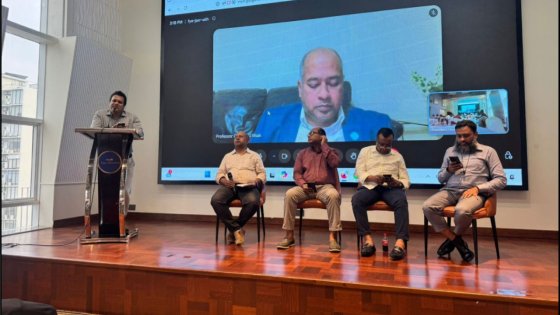
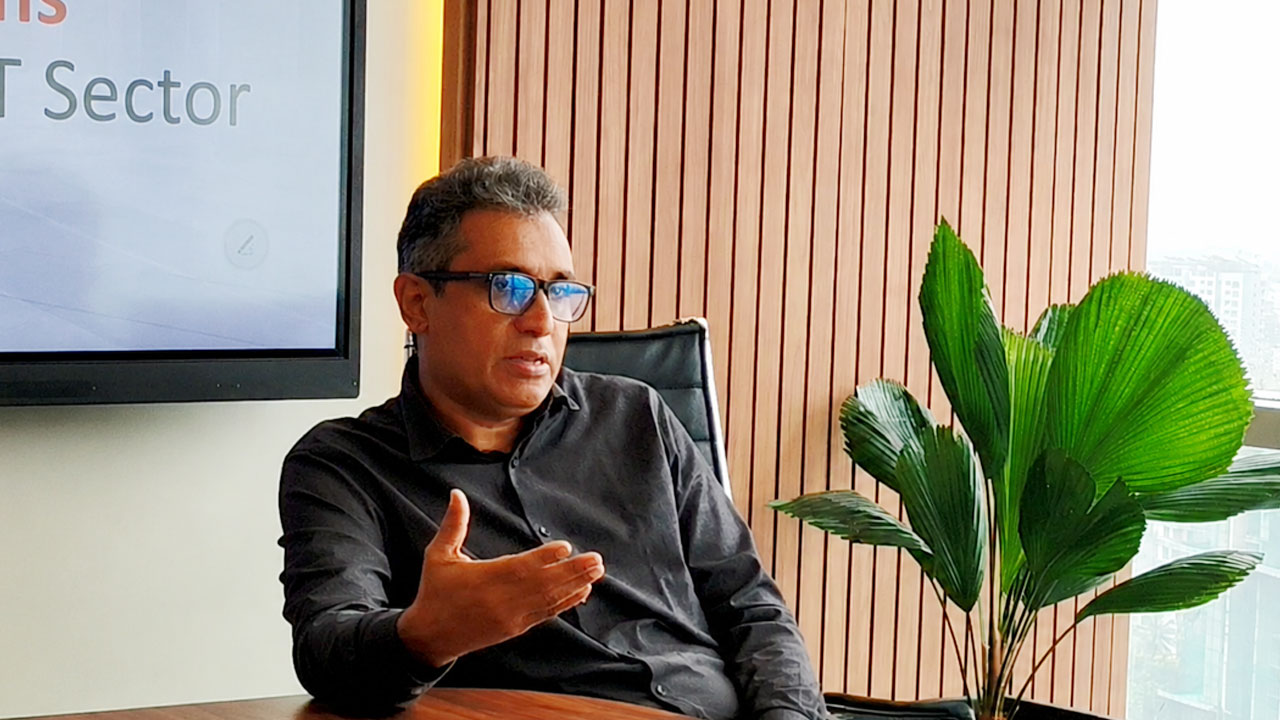
At a roundtable discussion organised by TechWorld Bangladesh on May 21, with the participation of various stakeholders from the country’s ICT sector ahead of the FY2026-27 national budget, former Bangladesh Computer Samity (BCS) President Shahid Ul Munir highlighted the challenges facing the hardware sector and voiced these concerns. He argued that imposing taxes alone cannot protect local industry without first developing adequate production capacity.
Negative Impact of Tax Policies and Revenue Losses
Speaking at the dialogue, Shahid Ul Munir said:

Is Full-Scale Manufacturing Really Possible?
Shahid Ul Munir offered a candid and pragmatic assessment of the government's long-term ambitions for laptop manufacturing in Bangladesh. “Producing a fully functional laptop by manufacturing all of its components locally is currently almost impossible in Bangladesh. The global supply chain for high-tech products such as laptops and desktops is highly complex and requires production at a massive scale. Building a sustainable manufacturing industry based solely on domestic demand is difficult when competing with global giants such as Apple, HP and Dell. Therefore, instead of being driven by emotion, policymakers should focus on sectors where Bangladesh has genuine capabilities, offering tax incentives and investing in research and development.”
Risks of Illegal Imports and Consumer Suffering
Shahid Ul Munir also expressed concern about the growing prevalence of grey market imports resulting from high taxes. He noted that laptops brought into the country through illegal channels are typically sold without official warranties or after-sales support.
“In many cases, used or refurbished laptops are being marketed and sold as brand-new devices. When students purchase laptops for their studies or freelance work, they are often drawn to these products because of the lower prices. However, when technical problems arise after a short period of use, they are left without any support or solution. This ultimately hampers technology adoption and the country’s broader digital transformation efforts.”
The Need for Comprehensive ICT Surveys
Shahid Ul Munir identified the lack of reliable data as one of the most significant challenges facing Bangladesh’s ICT sector, particularly in relation to budget allocation and policymaking. “We often claim that the country has several hundred thousand freelancers or that the ICT sector requires a certain number of skilled professionals. In reality, we do not have reliable data or statistics to support these claims.”
He proposed that the government conduct a comprehensive ICT survey to determine the actual demand for hardware and software, as well as the number of skilled professionals currently available and required in the sector. Without data-driven planning, budget allocations based on assumptions are unlikely to deliver meaningful benefits to the public, he argued.
Inconsistencies in Budget and Tax Policies
During the discussion, Shahid Ul Munir also addressed broader macroeconomic challenges and shortcomings in the country’s tax structure. He noted that government operating expenditure has now exceeded revenue earnings by a significant margin. When the government repeatedly increases tax rates on the same group of taxpayers to bridge revenue shortfalls, it creates an unfavourable business environment.
The ongoing discussion about raising the highest personal income tax rate from 30 percent to 35 percent, he said, would place additional pressure on professionals and businesses in the technology sector. Rather than increasing tax rates, he argued, policymakers should focus on broadening the tax base and implementing structural reforms to reduce tax evasion.
Refund and Payment Complexities
Shahid Ul Munir also highlighted the challenges associated with Advance Income Tax (AIT) and Advance Trade VAT (ATV) at the import stage, describing them as a significant burden for hardware businesses.
These taxes must be paid before products are sold, placing considerable pressure on businesses’ working capital. Furthermore, the process of adjusting these payments or obtaining refunds is so complex that many businesses are unable to benefit from the mechanism. He called for the process to be simplified so that businesses can operate in a more efficient and hassle-free environment.
Expectations and the Way Forward
Ahead of the FY2026-27 budget, Shahid Ul Munir urged the government to withdraw VAT on laptops and computers and restore duty-free import facilities.
“Technology is no longer a luxury; it is now a basic necessity. If we cannot place affordable laptops in the hands of talented young people, it will be difficult to realise the vision of a new Bangladesh.” He also called on policymakers to assess the actual capabilities of local industries and formulate realistic policies based on those findings.
In conclusion, Shahid Ul Munir said:
“Developing the technology sector is not only about implementing large-scale projects; it is about making technology more accessible to ordinary people. Only through reliable data, a strong database and a reasonable tax structure can Bangladesh build a thriving digital economy.”