Experts May Disagree
NVIDIA Says AI Data Center Water Use Is ‘Largely Solved’

News Desk
23 June 2026, 13:32
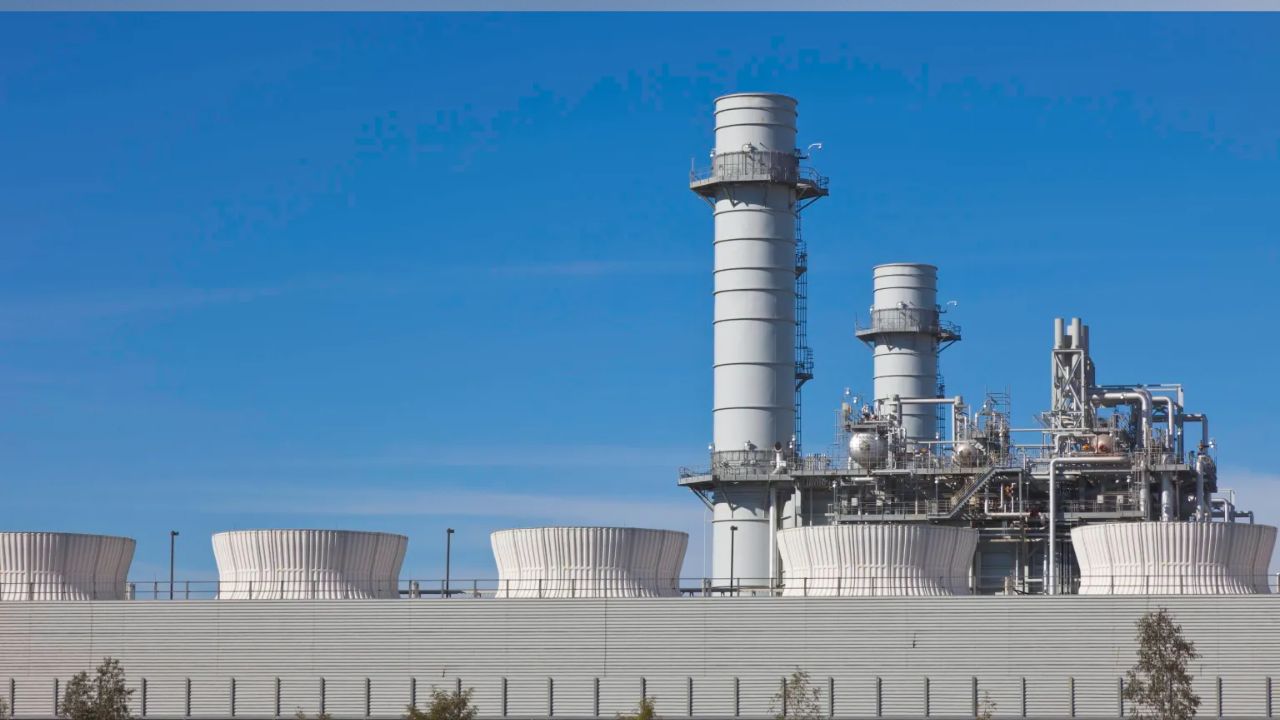
NVIDIA has unveiled a new warm-water cooling technology that it says could dramatically reduce water consumption inside AI data centers, with company executives claiming the industry’s water-use challenge is largely solved.
The announcement comes as artificial intelligence infrastructure faces growing scrutiny over its environmental impact, particularly the enormous amounts of electricity and water required to operate increasingly powerful AI systems.
According to Nvidia, the new cooling system uses a closed-loop design that recirculates coolant throughout the facility rather than relying on traditional water-intensive cooling methods. The company says the coolant is filled once and reused for the life of the data center, potentially eliminating nearly all on-site water consumption in suitable climates.
Josh Parker, Nvidia’s chief sustainability officer, recently told Axios that the water consumption challenge for data centers is “largely solved,” pointing to the company’s latest cooling innovation.
How Nvidia’s Cooling System Works
The technology relies on warm-water cooling rather than conventional chilled-water systems. Coolant enters server racks at approximately 45 degrees Celsius (113°F) and exits at around 55 degrees Celsius (131°F), carrying heat away from high-performance AI chips.
Because the coolant remains relatively warm, data centers can dissipate heat using outdoor air and passive radiators in many regions without requiring evaporative cooling systems or energy-intensive chillers. In some environments, the approach could even reduce the need for large cooling fans.
The result is a more efficient cooling process that lowers water consumption while also potentially reducing energy use and operational noise.
The Water Use Nvidia Isn’t Counting
While Nvidia’s system may significantly reduce water usage within data center facilities, critics argue that it addresses only part of AI’s overall water footprint.
The company’s calculations primarily focus on water consumed directly inside the data center. However, large amounts of water are also used outside facility walls, particularly in electricity generation and semiconductor manufacturing.
Industry analysts note that these indirect sources can account for a substantial portion of a data center’s total water consumption. Even if a facility eliminates most on-site water use, it still depends on power plants and supply chains that may consume significant amounts of water elsewhere.
This means that while Nvidia’s technology can reduce one component of the problem, it does not eliminate the broader environmental impact associated with AI infrastructure.
Energy Sources Remain a Key Factor
The issue becomes more significant when data centers are powered by fossil fuels.
Natural gas power plants consume water during electricity generation, primarily for cooling. Coal-fired plants generally require even more water. Together, fossil-fuel facilities continue to supply a large share of the electricity powering global data centers.
Hydropower also carries a water footprint through evaporation from reservoirs, although the mechanism differs from traditional thermal power plants.
By contrast, wind and solar energy use comparatively little water during operation. As a result, the environmental benefits of water-efficient data centers can vary dramatically depending on the energy sources supplying them.
The challenge is particularly relevant as demand for AI infrastructure continues to surge. Industry forecasts suggest fossil fuels will remain a major contributor to new electricity generation needed to support data center expansion over the coming years.
A Step Forward, Not a Complete Solution
NVIDIA’s latest cooling technology represents a meaningful advancement in making AI infrastructure more resource-efficient. Reducing or eliminating on-site water consumption could help address one of the industry's most visible sustainability concerns while improving operational efficiency.
However, environmental experts increasingly emphasize the need to examine the full lifecycle impact of AI systems rather than focusing solely on data center operations.
As AI adoption accelerates, the industry’s overall water footprint will depend not only on how servers are cooled, but also on how electricity is generated and how hardware is manufactured.
For Nvidia, the new cooling system demonstrates that significant efficiency gains are possible. Yet for the broader AI ecosystem, the debate over water usage is far from settled.
The next phase of sustainability efforts may require addressing not just what happens inside data centers, but the entire infrastructure chain that supports the AI revolution.