How AI Helped a Startup Founder Beat Cancer

News Desk
29 June 2026, 10:03
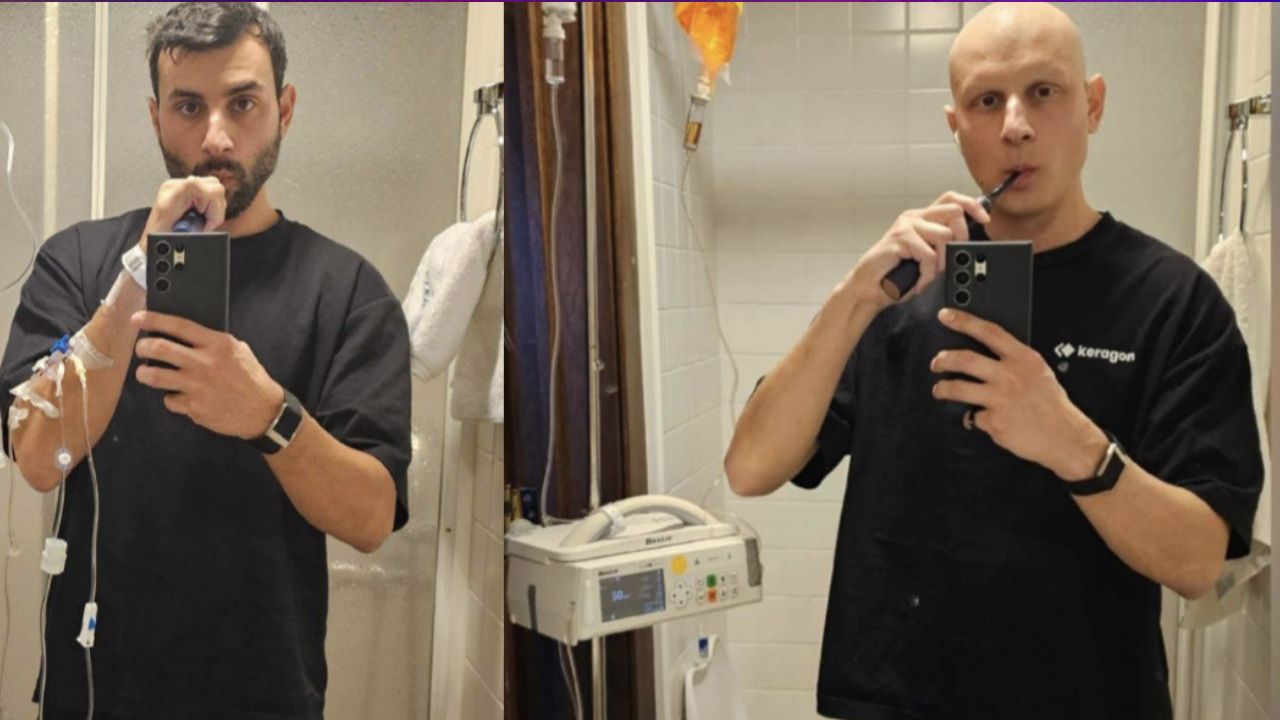
When entrepreneur Conno Christou was diagnosed with a rare and aggressive form of non-Hodgkin's lymphoma at the age of 35, artificial intelligence became an important research companion - but not a replacement for his doctors.
Christou, founder of healthcare technology startup Keragon, says AI helped him organize medical information, analyze test results, and prepare more informed questions for specialists as he navigated months of cancer treatment.
His experience offers a glimpse into how generative AI is beginning to play a supporting role in healthcare, while also highlighting the importance of professional medical advice.
A Life-Changing Diagnosis
Before his diagnosis, Christou closely monitored his health. He regularly tracked sleep, fitness, and dozens of biomarkers while following longevity research and maintaining a disciplined lifestyle.
Despite receiving a clean health check in 2025, everything changed after he developed swelling in his arm following a workout. Doctors initially discovered blood clots, but further examinations revealed an 11-centimeter mass behind his sternum.
A biopsy confirmed an aggressive and fast-growing form of non-Hodgkin's lymphoma - a rare cancer that, according to Christou, resulted from a random genetic mutation rather than lifestyle factors.
Faced with two oncologists recommending different chemotherapy approaches, he sought opinions from 12 specialists. Eleven supported the more intensive treatment, which offered a significantly higher chance of success. Christou ultimately chose that option.
Using AI as a Research Assistant
Throughout six months of chemotherapy, Christou recorded symptoms, tracked health metrics from wearable devices, monitored blood test results, and documented treatment progress.
He then used Anthropic's Claude AI to help analyze this information alongside medical literature.
Christou stressed that AI never replaced his physicians.
"It didn't replace the doctors," he said. "It helped me ask the right questions."
According to the article, AI proved particularly useful after his final PET scan produced ambiguous results. While one treatment path pointed toward additional radiotherapy, Claude highlighted medical literature describing a phenomenon known as thymus rebound, in which the thymus gland can temporarily become active after chemotherapy and appear similar to cancer on imaging scans in younger patients.
Rather than relying solely on the AI's analysis, Christou sought additional medical opinions. A fourth specialist confirmed that the scan reflected thymus rebound rather than active cancer, meaning further radiotherapy was unnecessary.
AI's Growing Role in Healthcare
Christou's experience comes as more patients are experimenting with AI tools to better understand medical conditions and treatment options.
However, medical experts continue to urge caution. General-purpose AI chatbots can produce inaccurate or incomplete information and should not be used as a substitute for diagnosis or treatment decisions. Instead, many clinicians see AI as a tool that can help patients better understand complex medical information and communicate more effectively with healthcare professionals.
For Christou, the experience also reshaped his perspective on healthcare and technology. Having built an AI platform that helps automate administrative work for medical practices, he says going through cancer treatment exposed how much time healthcare professionals spend on paperwork instead of patient care.
Now in remission, Christou believes AI has the potential to improve patient education and clinical workflows, provided it is used responsibly and alongside qualified medical professionals - not in place of them.
Source: TechCrunch