Prada and Axiom Space Reveal Cooling Layer for Future Moonwalkers

News Desk
08 June 2026, 12:50
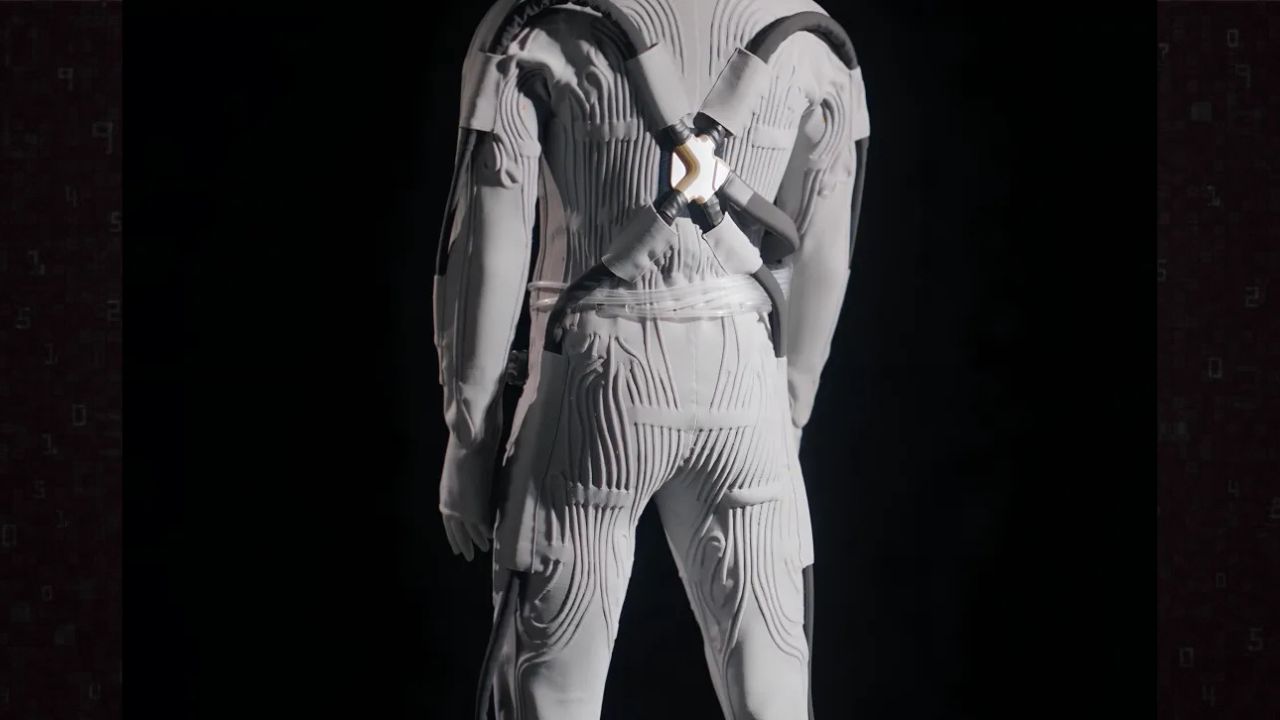
NASA’s next generation of Moon explorers will wear a new high-tech cooling garment developed by Axiom Space and Prada as part of the Artemis program’s return to the lunar surface.
The company has unveiled the Liquid Cooling and Ventilation Garment (LCVG), a specialized base layer that astronauts will wear underneath the Axiom Extravehicular Mobility Unit (AxEMU) spacesuit during future Moon missions.
The new system is expected to play a crucial role during Artemis IV, which is currently planned to return astronauts to the Moon in 2028.
Designed to Keep Astronauts Cool
The LCVG is engineered to regulate body temperature inside the spacesuit, helping astronauts remain comfortable while working in the harsh lunar environment.
The garment circulates cold water through a network of tubes embedded within the fabric, removing excess body heat generated during spacewalks. Unlike older cooling systems, the new design also includes a backup cooling mechanism that can operate if the primary system fails.
In addition to temperature control, the garment supports the spacesuit’s ventilation system by delivering fresh oxygen to the helmet and directing exhaled carbon dioxide to a filtration system for recycling.
Prada’s Role in Lunar Exploration
The cooling garment is part of the broader collaboration between Prada and Axiom Space, which previously worked together on the AxEMU lunar spacesuit.
The partnership combines aerospace engineering with expertise in advanced materials and garment design, helping create equipment that is both functional and comfortable for astronauts operating on the Moon.
NASA has explored similar collaborations in the past. One notable example was the BioSuit concept developed by Dava Newman with support from architect Guillermo Trotti, which aimed to create more flexible and lightweight spacesuits.
As NASA prepares for its next lunar missions, innovations such as the LCVG could help improve astronaut safety, mobility and comfort during extended operations on the Moon.