Budget Expectations 2026-27
Demand for Incentives for Freelancers & Simplification of Trade Licence

News Desk
10 June 2026, 14:57
Bangladesh’s freelancing sector has emerged as one of the strongest pillars of the country’s digital economy. A large number of young freelancers are earning foreign currency every year through their skills and hard work. The sector is increasingly being viewed as one of the biggest potential sources of foreign exchange earnings after the ready-made garment industry.
However, freelancers at the individual level are being deprived of government incentives due to policy complexities. In particular, while a 10 percent cash incentive on export earnings has been announced, it is only accessible to registered IT companies. As a result, individual freelancers are not receiving this benefit, prompting many to rely on informal channels to bring in foreign earnings, which is negatively affecting national statistics.
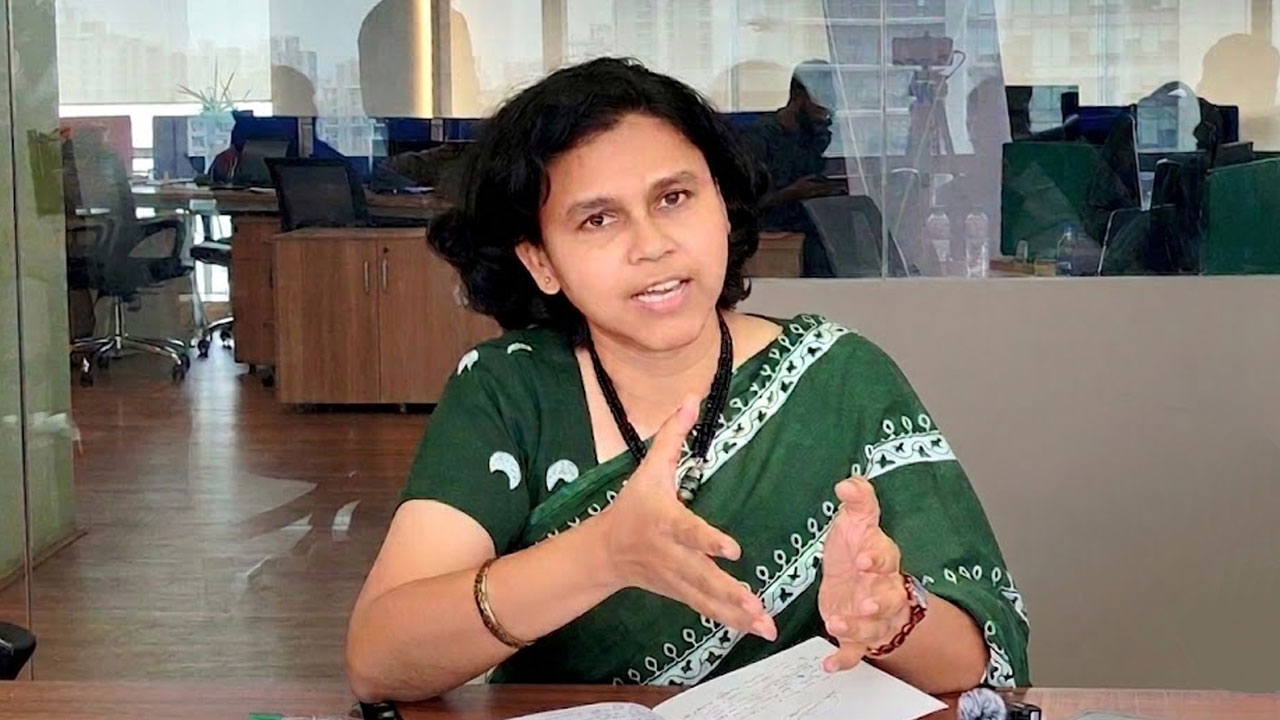
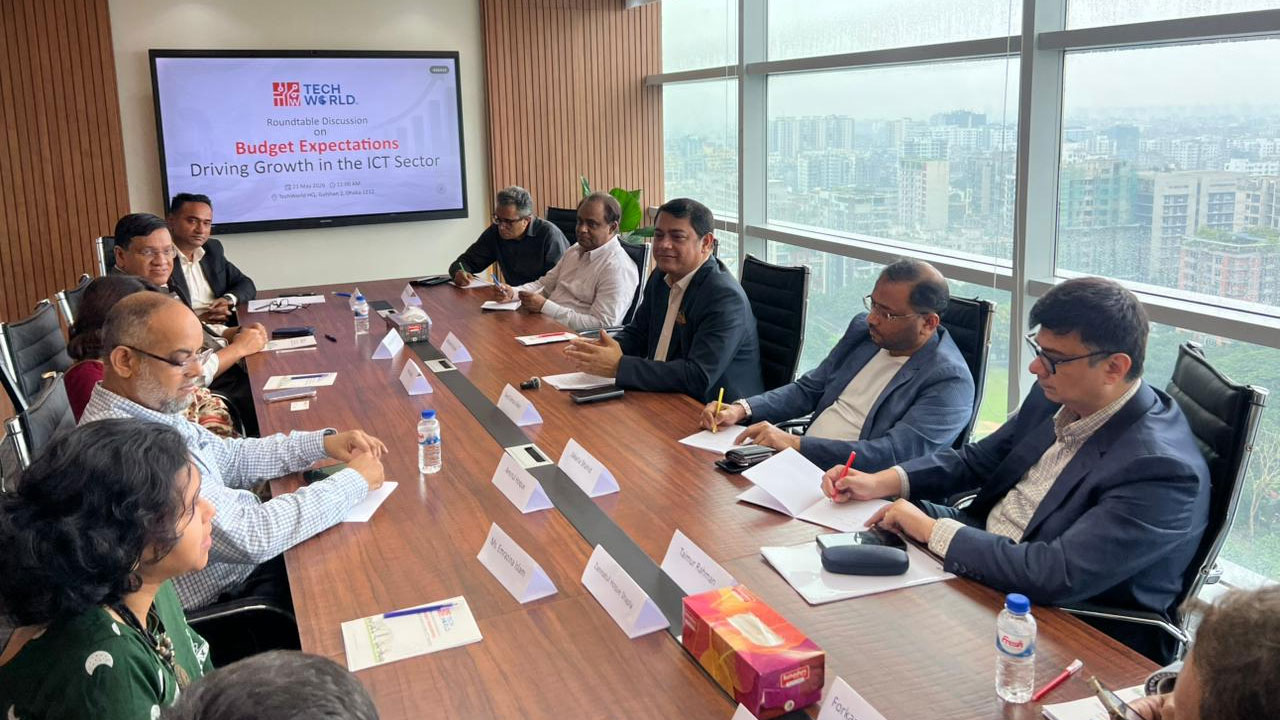
At a roundtable discussion organised by TechWorld Bangladesh on Thursday (May 21), ahead of the FY2026-27 national budget, Emrajina Islam, Co-founder of Emrajina Technologies, highlighted these challenges faced by freelancers. She said that legal and administrative complexities - from obtaining trade licences to banking payments - are acting as major barriers to the sector’s growth.
Inequality in Incentives and Data Gaps
Emrajina Islam said:
As a result, many freelancers find it more convenient to use informal channels instead of formal banking systems to bring in their earnings. This leads to a significant portion of remittance not being properly recorded, and the government lacks accurate data on the sector’s actual income.”
She urged that the incentive should also be made easily accessible to individual freelancers, along with clear instructions to banks regarding its implementation.
Trade Licence Complications for Home-Based Work
One of the major challenges for freelancers is obtaining a trade licence. Emrajina Islam noted that although freelancers play an important role in creating employment, they face significant legal hurdles. Most freelancers work from home, but according to city corporation or union parishad rules, a commercial address is required to obtain a trade licence. For young freelancers or students, renting a commercial office solely for a licence is neither practical nor affordable.
Yet without a trade licence, access to banking services, loans, and official recognition becomes difficult. She proposed that freelancers should be allowed to obtain trade licences using their residential addresses. Without such legal reforms, mainstreaming freelancing as a recognised profession will remain a challenge.
Foreign Transaction Limits and Banking Challenges
Freelancers work directly in the global market, and payments are received through various digital platforms and gateways. Emrajina Islam said that existing limits on foreign transactions and strict banking requirements are causing significant difficulties.
Banks often require additional documentation regarding sources of income, which is time-consuming for individual freelancers. In addition, limits on foreign currency access are hindering their ability to pay for international purchases, premium software subscriptions, and server costs. She called for an increase in foreign transaction limits and more user-friendly banking procedures for freelancers.
Freelancer ID Cards and Institutional Recognition
Although the government has introduced freelancer ID cards, Emrajina Islam expressed dissatisfaction over their effectiveness.
She said, “The cards have been issued, but in practice, freelancers are still unable to access bank loans and other citizen services using them. Freelancers should be recognised socially and institutionally as entrepreneurs, and clear guidelines should be included in the budget to ensure this recognition.
In particular, the harassment faced by freelancers in accessing tax rebates or incentives must be stopped. If tax exemptions on their income are extended for a longer period, more young people will be encouraged to join this profession.”
Skill Development and Challenges in the AI Era
Beyond payment and regulatory issues, she stressed the need for continuous skill development to keep pace with the global market. According to her, the nature of freelance work is rapidly changing due to artificial intelligence (AI) and emerging technologies. Many tasks that were previously done by humans can now be performed using AI tools and chatbots.
In this evolving landscape, those who fail to upskill will lose opportunities. She urged the government to allocate special resources for advanced training of freelancers and ensure affordable internet access, enabling young people to compete effectively in the global market.
Budget Expectations and the Path to a Smart Economy
Ahead of the FY2026-27 budget, Emrajina Islam called for an investment-friendly and hassle-free environment for freelancers.
She said freelancers do not seek luxury or special privileges from the state; they only want a smooth working environment. Ensuring individual-level access to the 10 percent incentive, simplifying trade licence procedures, and removing barriers in payment gateways would unlock the sector’s full potential.
In conclusion, she said:
“Freelancing is not just the livelihood of a few thousand people; it is the driving force of Bangladesh’s smart economy. If policy barriers are removed, our talented youth can take the country far ahead economically while working from home.”
She urged policymakers to take a more forward-looking approach in the upcoming budget to resolve these challenges and ensure the financial and social security of freelancers.