China Tightens Indium Export Scrutiny as AI Data Center Demand Surges

News Desk
21 June 2026, 13:24
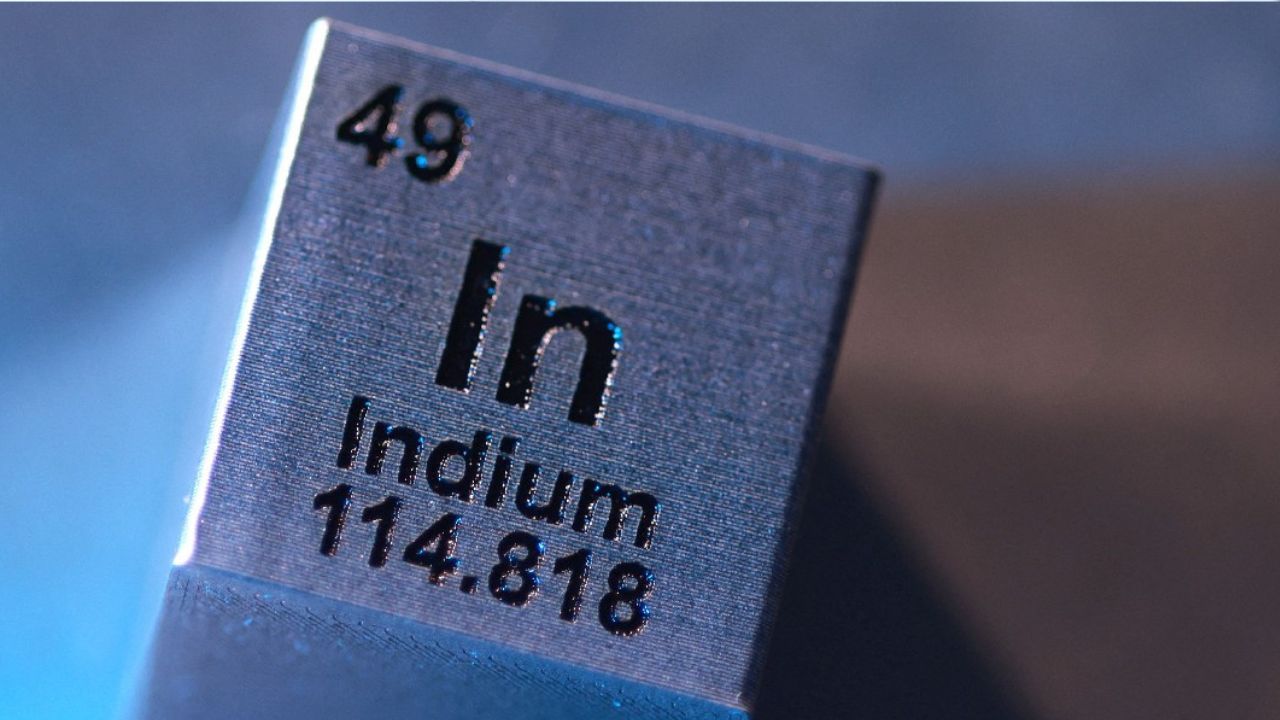
China is increasing scrutiny of indium exports, raising concerns among global buyers that the critical metal could eventually become subject to stricter export controls.
The move comes as demand for AI infrastructure continues to grow, boosting the importance of indium in next-generation data center technologies.
China accounts for nearly 70% of global indium production. The metal is primarily a byproduct of zinc refining and is widely used in displays, soldering materials and semiconductor manufacturing.
Its strategic importance has increased due to the growing use of indium phosphide, a key material for producing high-speed optical chips that power AI data centers.
Export checks increase
According to buyers who spoke to Reuters, Chinese customs authorities have begun applying additional scrutiny to some indium exports.
One European buyer said customs officials recently requested details about end users, including where the material would ultimately be used. The request marked the first time such information had been required for the buyer's shipments.
A North American purchaser reported that export approvals, which previously took place the same day, now take several days due to more extensive paperwork reviews.
So far, no confirmed shipment blocks have been reported. However, industry participants are closely monitoring the situation for signs of tighter controls.
Indium phosphide is already restricted
China added indium phosphide to its export control list in February 2025. The restrictions have already created challenges for some companies involved in AI infrastructure development.
Earlier this year, executives from Coherent, which is backed by NVIDIA, reportedly raised concerns about the issue during a visit to Beijing alongside U.S. President Donald Trump.
While indium metal itself remains outside the formal export control regime, industry buyers worry the latest customs requirements could be a precursor to future restrictions.
Strategic supply concerns
The growing attention on indium reflects broader concerns over supply chains for critical technology materials.
The United States has already identified indium as a potential supply vulnerability. Earlier this year, the Defense Logistics Agency sought proposals to stockpile up to 403 tons of the metal over three years.
Several buyers believe the new reporting requirements may be intended to help Chinese authorities gain greater visibility into global supply chains and identify strategic chokepoints.
As AI adoption accelerates worldwide, access to specialized materials such as indium is becoming increasingly important. Any future export restrictions could have implications for semiconductor manufacturing, optical networking equipment and the expansion of AI data center infrastructure.