Rockstar’s $80 GTA 6 Box Highlights the Decline of Game Ownership

News Desk
25 June 2026, 13:22
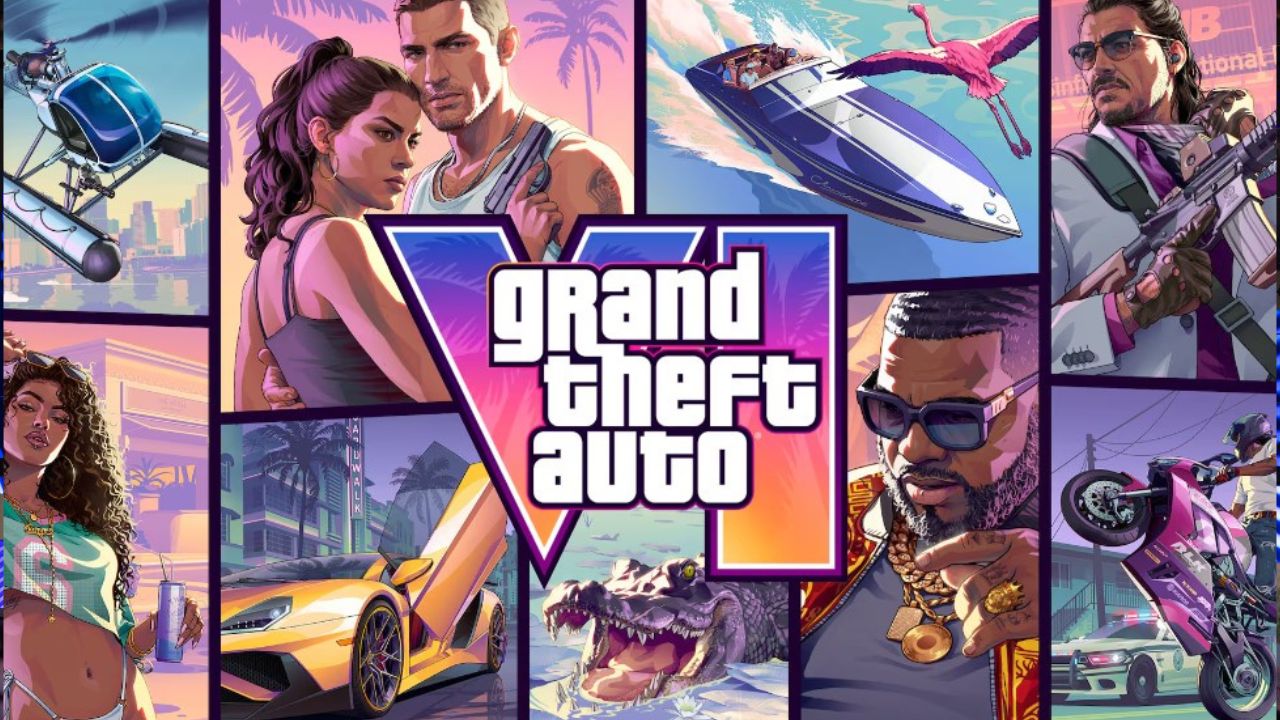
Grand Theft Auto VI is already shaping up to be one of the biggest entertainment launches in history. But before players even get their hands on the game, Rockstar’s release strategy is sparking a different conversation - one that has less to do with gameplay and more to do with what consumers actually own when they buy a game.
The controversy centers on the game's $80 physical edition. Buyers expecting a traditional boxed copy with a game disc inside may be surprised to discover that the package reportedly contains only a download code.
At first glance, that might seem like a minor issue. But for many players, it highlights a much larger shift taking place across the gaming industry.
The $80 Price Tag Feels Like a Turning Point
Video game prices have been gradually climbing for years. The industry moved from the long-standing $60 standard to $70 during the current console generation. More recently, publishers have begun testing even higher price points, with Nintendo introducing $80 titles and other major companies exploring similar strategies.
Rockstar's decision to price GTA 6 at $80 gives additional weight to that trend.
Unlike smaller publishers, Rockstar operates one of gaming's most influential franchises. When a company of that size raises prices, it often sets expectations for the wider industry.
As a result, many players see GTA 6 not simply as another premium-priced game, but as a potential signal of where AAA pricing is headed next.
A Physical Edition Without Physical Media
The pricing debate becomes more complicated because the physical edition reportedly does not include a disc.
For decades, buying a physical game meant receiving a tangible product that could be collected, resold, shared, or preserved. While modern games frequently require updates and online connectivity, the disc still represented a form of ownership.
A download code changes that equation.
Instead of purchasing software stored on physical media, consumers are effectively purchasing a license that grants access to a digital copy of the game. The box remains physical, but the product itself does not.
For critics, that distinction matters. Many argue that if a game requires a download regardless of whether it is purchased digitally or physically, the value proposition of a boxed edition becomes harder to justify.
How DRM Became the Industry Standard
The GTA 6 debate is also reigniting concerns about digital rights management, commonly known as DRM.
During the 2000s and early 2010s, DRM systems became a major source of frustration among players. Publishers introduced activation requirements, online authentication systems, and other restrictions designed to combat piracy.
The backlash was significant. Gamers complained that DRM often punished legitimate customers while doing little to stop piracy. Over time, however, consumer habits changed.
Faster internet connections, digital storefronts, and growing game libraries made downloads more convenient than physical purchases. Platforms such as Steam, PlayStation Store, Xbox Store, and Nintendo eShop became the primary way many players acquired games.
As digital distribution expanded, DRM gradually became normalized. Today, most players access games through accounts and digital licenses rather than physical media, giving platform holders and publishers unprecedented control over how games are distributed and maintained.

The Growing Ownership Debate
The concern extends beyond GTA 6 itself. Many gamers worry that the industry is moving toward a future where ownership becomes increasingly limited. Digital titles can be removed from storefronts, online services can be shut down, and access to purchased content often depends on the continued operation of publisher-controlled systems.
The emergence of a download-code-only physical edition brings those concerns into sharper focus. For some players, the issue is not simply paying $80 for a game. It is paying more while receiving fewer of the ownership benefits traditionally associated with physical media.
The debate has fueled support for initiatives aimed at preserving consumer rights and video game history.
Preservation Efforts Are Gaining Momentum
As digital distribution expands, preservation advocates have become increasingly vocal.
The grassroots Stop Killing Games movement has campaigned against publishers shutting down games and online services without providing long-term access options for consumers. While the movement has faced challenges in achieving regulatory changes, it has helped raise awareness about ownership and preservation issues.
Meanwhile, storefronts such as GOG continue to promote DRM-free gaming. GOG’s Preservation Program, launched in 2024, focuses on maintaining classic titles for modern hardware and ensuring long-term accessibility. Hundreds of games have already been updated and preserved through the initiative, demonstrating that alternative approaches to digital ownership remain possible.
Platforms such as itch.io have also gained support from players who prefer DRM-free distribution models.
What GTA 6 Represents
Rockstar is far from the first publisher to embrace digital-first distribution, and GTA 6’s physical edition does not create the ownership debate. It merely makes it more visible.
The combination of a premium $80 price tag and a boxed product that reportedly contains only a download code encapsulates several industry trends at once: rising game prices, declining physical media, stronger DRM systems, and increasing reliance on digital ecosystems.
For publishers, those trends offer greater flexibility and control. For consumers, they raise difficult questions about value, ownership, and preservation.
As GTA 6 prepares for one of the most anticipated launches in gaming history, the discussion surrounding its physical edition suggests that players are not just evaluating the game itself. They are also questioning the future of how games are bought, sold, and owned.