Betting on AI and Lower Prices
Meta Launches Standalone Smart Glasses Without Ray-Ban Branding

News Desk
24 June 2026, 17:14
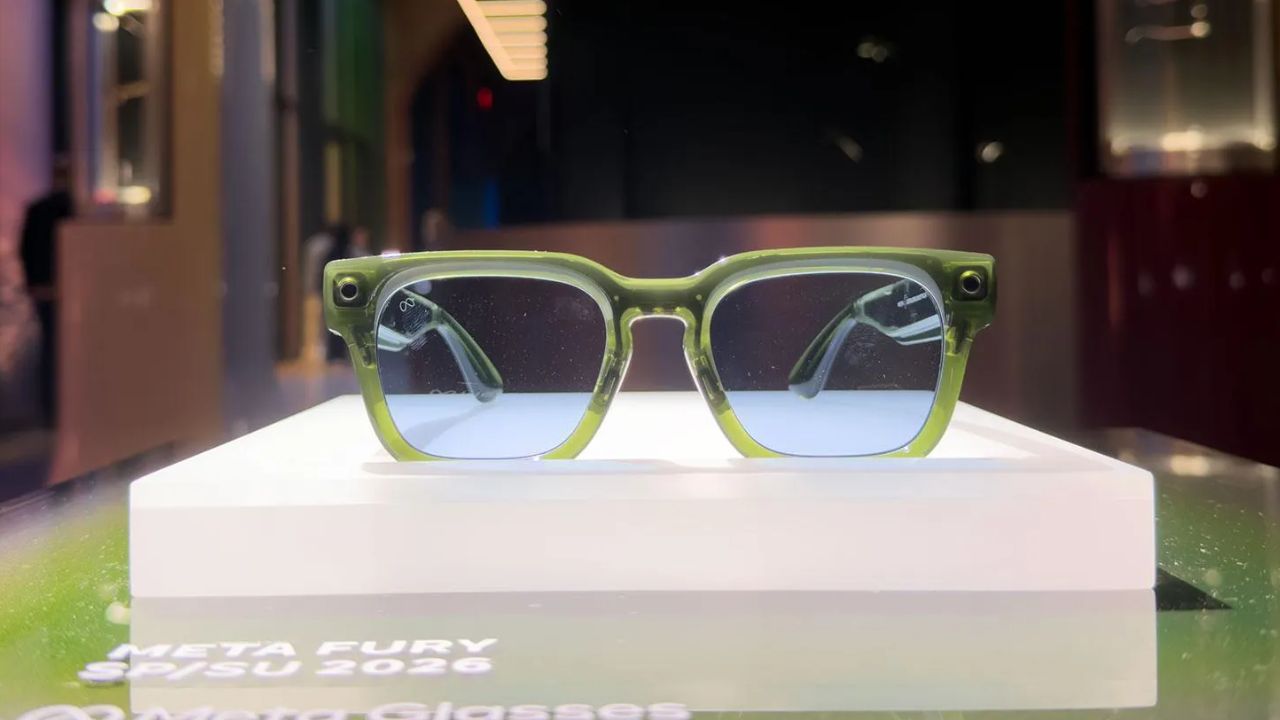
Meta is entering a new chapter in its smart glasses strategy by launching a new lineup of smart eyewear without the Ray-Ban branding that helped popularize its previous devices.
For the past three years, Meta's smart glasses efforts have been closely associated with Ray-Ban, leveraging the iconic eyewear brand's recognition and fashion appeal to make wearable technology more mainstream. Now, Meta is striking out with its own branded lineup, introducing several new styles while maintaining its partnership with eyewear giant EssilorLuxottica.
The move signals Meta's growing confidence in its smart glasses platform as the company seeks to expand adoption through lower pricing, broader style options, and deeper artificial intelligence integration.
Why Meta Is Moving Beyond Ray-Ban
Meta executives say the primary reason for launching glasses without the Ray-Ban name is affordability.
The new Meta Glasses start at $299, approximately $80 less than the starting price of current Ray-Ban Meta models. While EssilorLuxottica remains involved in designing and manufacturing the products, Meta believes a lower-priced offering can help attract a wider audience.
According to Meta Vice President of Wearables Alex Himel, the company wanted to create a more accessible entry point into the smart glasses market, but did not find another established eyewear brand within EssilorLuxottica's portfolio that offered the same level of consumer recognition at a lower price point.
Rather than licensing another fashion label, Meta opted to build a standalone product line under its own name.
New Styles and Improved Comfort
The new lineup introduces three primary designs: Meta Fury, Meta Adventurer, and a special collaboration model developed with Kylie Jenner.
While the internal hardware remains largely similar to Meta's latest Ray-Ban smart glasses, the company has focused on expanding style choices and improving comfort.
The Adventurer models feature slimmer frames, while the Fury line adopts a bolder, chunkier design. The Kylie edition brings a more fashion-focused aesthetic with a distinct Y2K-inspired appearance.
Meta has also introduced several practical improvements, including:
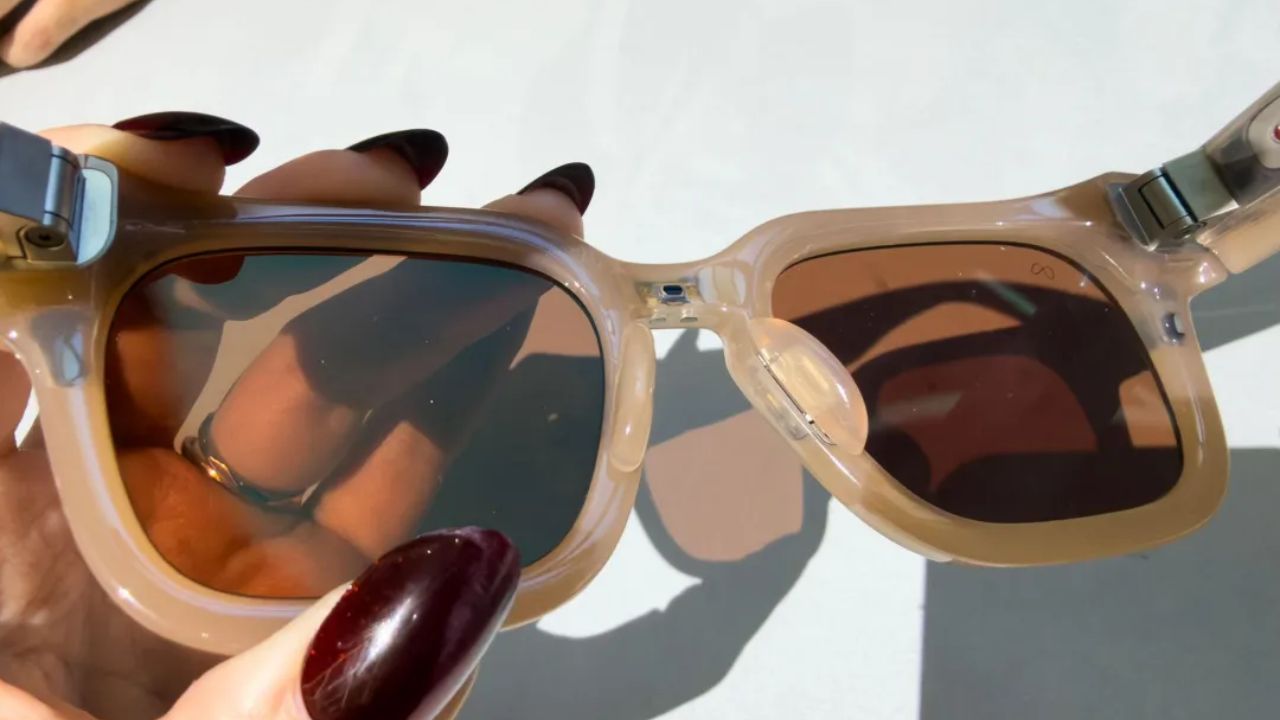
- Adjustable nose pads with multiple positions
- Flexible temple tips for improved fit
- Overextension hinges for wider faces
- Prescription lens support ranging from -12 to +2.25
These enhancements aim to make the glasses more appealing to everyday eyewear users rather than only technology enthusiasts.
Privacy Concerns Remain a Major Challenge
Despite improvements in design and affordability, Meta continues to face questions about privacy.
Recent reports have suggested the company is actively exploring facial recognition capabilities for future smart glasses. Combined with Meta's history of privacy controversies, these reports have intensified scrutiny from regulators, journalists, and consumers.
Meta executives acknowledged that misuse of smart glasses has become a growing concern as adoption increases. The company says it is working on additional safeguards and privacy updates designed to address concerns surrounding recording, identification, and public acceptance of wearable cameras.
Meta argues that widespread adoption of smart glasses will only be possible if users and the public feel comfortable with the technology.
The challenge extends beyond privacy alone. As governments worldwide introduce new AI regulations, Meta must also navigate a fragmented regulatory landscape that could create different rules across countries and regions.
AI Becomes the Centerpiece
More than any hardware change, Meta's biggest bet is on artificial intelligence. The new glasses will launch with Muse Spark, the first AI model developed through Meta's Superintelligence Labs initiative. The company plans to bring the same technology to existing Ray-Ban and Oakley smart glasses through software updates.
Meta says Muse Spark will enable more natural conversations, improved contextual understanding, and smarter recommendations.
New AI capabilities include:
- Support for 14 additional languages
- Live translation features
- Pedestrian navigation guidance
- Enhanced conversational interactions
- AI-powered recommendation assistance
- Dynamic photo selection that automatically recommends the best image from multiple captures
During demonstrations, Meta showcased real-time language translation and contextual shopping recommendations, positioning the glasses as a hands-free AI assistant rather than simply a wearable camera.
While early impressions suggest incremental improvements over previous versions of Meta AI, the technology still faces questions about how useful it will be in everyday situations.
Can AI Finally Deliver a Killer Use Case?
Meta's long-term success in smart glasses may ultimately depend less on hardware and more on whether AI can provide a compelling reason for people to wear connected glasses daily.
The company often compares smart glasses to the early days of smartphones, arguing that new technologies initially face skepticism before becoming mainstream.
However, smartphones quickly demonstrated clear value through communication, navigation, photography, and internet access. Smart glasses have yet to establish an equally compelling everyday purpose.
Meta believes AI could become that defining feature. By combining wearable cameras, voice interactions, real-time translation, navigation, and contextual assistance, the company hopes smart glasses can evolve into a practical AI companion that users rely on throughout the day. Whether consumers are willing to embrace that vision remains uncertain.
Final Take
Meta's latest smart glasses represent a logical evolution of its wearable strategy. The company is lowering prices, expanding style options, improving comfort, and making AI the centerpiece of the experience.
On paper, the approach is compelling. The new models are more accessible, offer broader prescription support, and introduce meaningful AI enhancements.
Yet the biggest obstacles remain unchanged. Privacy concerns, public acceptance, and the search for a truly indispensable use case continue to define the future of smart glasses.
Meta appears to have solved many of the hardware challenges. The question now is whether its AI ambitions can convince consumers that smart glasses deserve a permanent place in everyday life.
Source: The Verge