Why More Consumers May Turn to Repairs Instead of Buying New Tech

News Desk
28 June 2026, 12:05
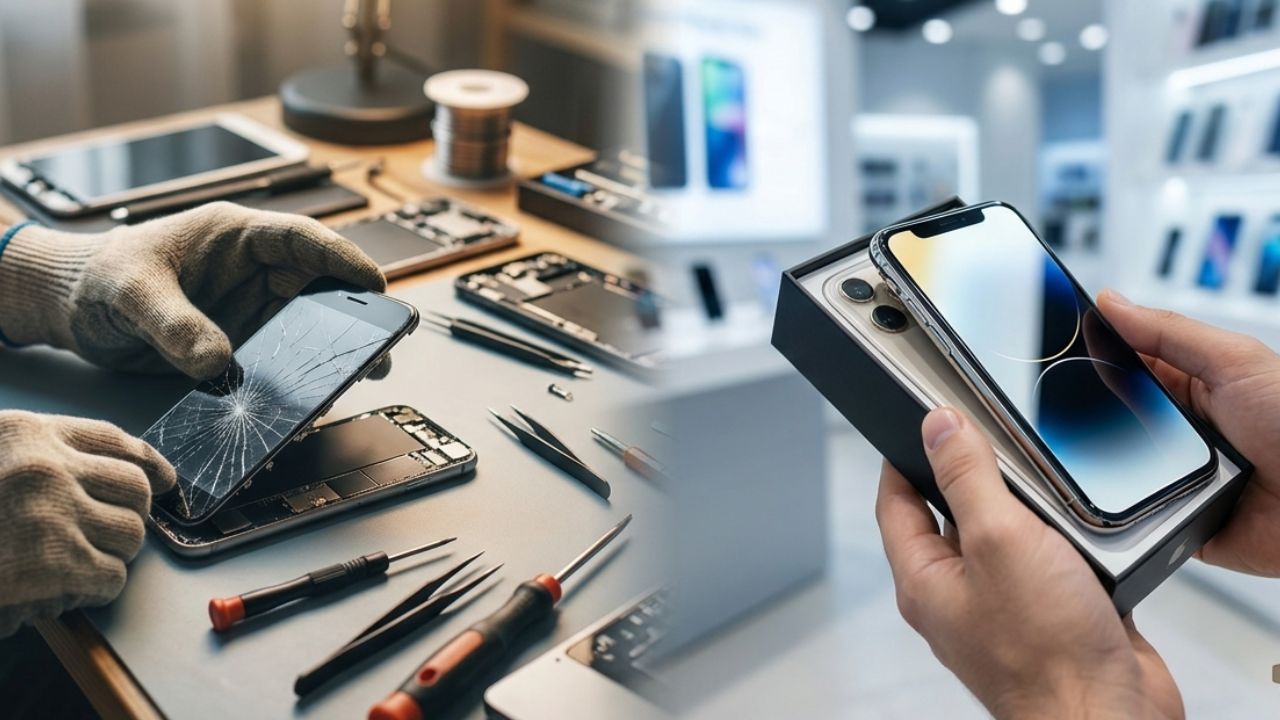
From smartphones and laptops to gaming consoles, consumer technology has become noticeably more expensive over the past two years. As hardware prices continue to climb, many consumers may need to rethink how often they replace their devices - and whether repairing existing products is becoming the more practical option.
The trend is being driven by several factors, including higher component costs, growing demand for memory and storage chips, and increased investment in AI infrastructure. Together, these pressures are making it more expensive for manufacturers to build consumer electronics, with many companies passing at least part of those costs on to buyers.
Recent price increases from major technology companies illustrate the trend. Microsoft has raised Xbox console prices multiple times, while Apple has increased prices for several hardware products in different markets. Other manufacturers have also cited rising production costs as they adjust retail pricing.
The Case for Repairing Instead of Replacing
As new devices become more expensive, repairing existing hardware is emerging as a more economical alternative.
Many common hardware problems - such as worn batteries, damaged displays, faulty storage drives, or cooling issues - can often be repaired at a fraction of the cost of purchasing a new device. Consumers who are uncomfortable performing repairs themselves can also turn to independent repair shops or manufacturer-authorized service providers.
The growing right-to-repair movement has also made repairs more accessible in several regions. Governments are increasingly introducing regulations that require manufacturers to make replacement parts, repair manuals, and service tools more readily available.
Supporters argue that these measures not only reduce electronic waste but also help consumers extend the lifespan of products that remain perfectly usable.
Refurbished Devices Offer Another Option
For consumers who do need to replace their devices, refurbished products are becoming an increasingly attractive alternative.
Certified refurbished smartphones, laptops, and gaming consoles are typically tested, repaired where necessary, and resold with warranties. In many cases, buyers can purchase premium devices from previous generations at significantly lower prices than brand-new models.
This approach can be particularly appealing at a time when annual hardware upgrades often deliver incremental improvements rather than dramatic performance gains.
A Shift in Consumer Habits
The broader conversation goes beyond rising prices. As technology becomes more expensive to produce, consumers may begin keeping devices for longer, repairing them when possible, and upgrading only when necessary.
Industry analysts expect demand for advanced memory and storage components to remain strong in the coming years as AI infrastructure continues to expand. If component prices remain elevated, manufacturers could face ongoing pressure to increase hardware prices or reduce profit margins.
Whether current pricing trends prove temporary or become the industry's new normal remains uncertain. However, one outcome is already becoming clear: extending the life of existing devices - through repairs, upgrades, or purchasing refurbished products - is likely to become an increasingly important strategy for consumers looking to manage technology costs.