South Korea Eyes AI Leadership With $650B Plan

News Desk
29 June 2026, 13:26
South Korea is set to launch an ambitious national strategy to strengthen its artificial intelligence and semiconductor industries, with local media reporting that planned investments could exceed 1,000 trillion won (around US$650 billion) over the coming years.
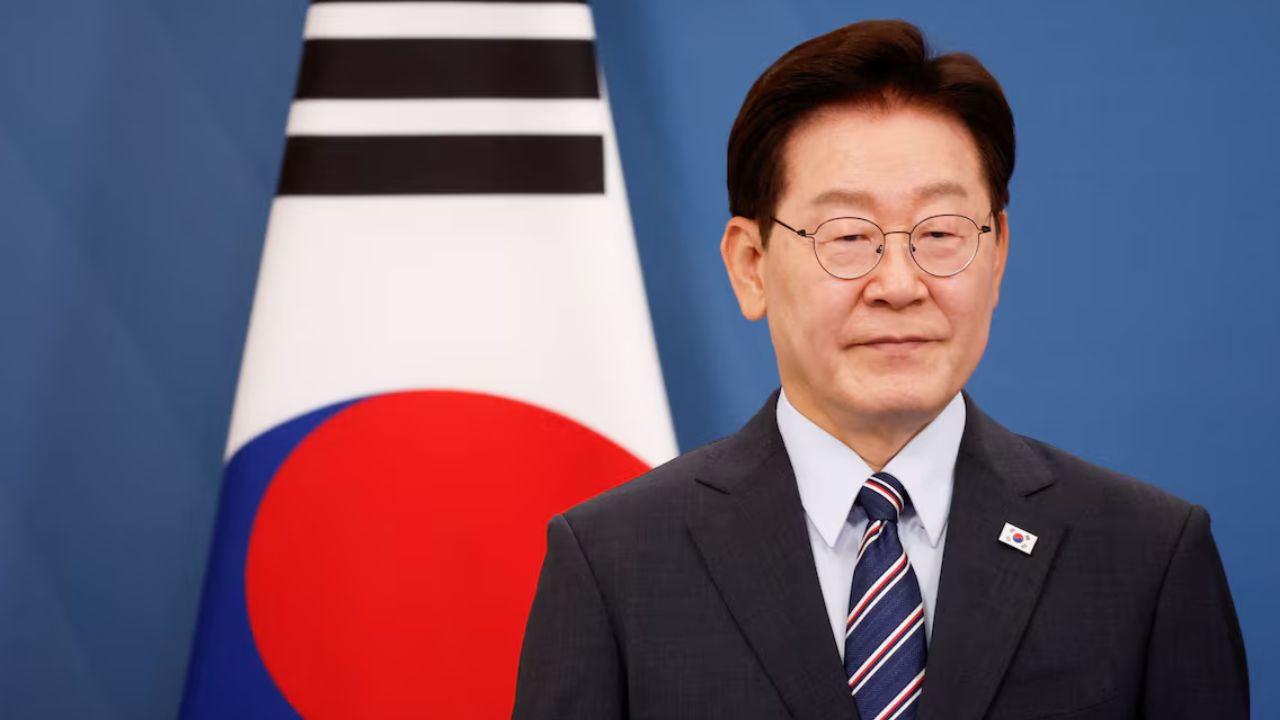
President Lee Jae Myung is expected to unveil three major technology initiatives focused on semiconductors, AI data centres, and physical AI technologies such as robotics. The announcement marks one of the biggest industrial policy initiatives of Lee's presidency and reflects South Korea's efforts to reinforce its position in the global AI and semiconductor race.
According to the presidential office, the government will also outline policy measures covering electricity, water, transport infrastructure, land development, workforce training, and housing to support the projects.
Samsung Electronics and SK Group are expected to present their investment plans during the event, although no official investment commitments had been announced at the time of reporting.
New Semiconductor Hub Beyond Seoul
A key part of the strategy is the planned development of a new semiconductor cluster in South Korea's southwest, including Gwangju and South Jeolla Province.
The proposal is designed to reduce the country's heavy concentration of semiconductor manufacturing around the Seoul metropolitan area while encouraging economic growth in less-developed regions.
President Lee defended the plan over the weekend, rejecting criticism that it primarily benefits one political stronghold. He described the initiative as a "national survival strategy" aimed at expanding South Korea's semiconductor capacity for the AI era.
"The creation of a semiconductor industrial ecosystem... is not a special favour for a particular region," Lee wrote on social media, adding that the project is based on business decisions supported by government investment.
Opportunities and Challenges
South Korea is home to Samsung Electronics and SK Hynix, the world's two largest memory chip manufacturers. Their high-bandwidth memory (HBM) chips have become critical components for AI servers powering advanced generative AI models.
Industry experts say expanding semiconductor manufacturing beyond Seoul could help ease infrastructure constraints and support future growth. However, they also caution that developing advanced semiconductor fabrication facilities requires enormous investments in electricity, water resources, logistics networks, supplier ecosystems, and highly skilled workers - resources that may take years to build in a new region.
Opposition politicians have questioned whether the southwest chip hub is politically motivated, citing the region's strong electoral support for President Lee. The government has rejected those claims, arguing that the initiative is part of a long-term national industrial strategy.
If implemented as planned, the projects would represent one of South Korea's largest technology investment programmes to date and further intensify global competition in AI infrastructure and semiconductor manufacturing.