Uber, Lyft to trial Baidu robotaxis in London in 2026

Staff Reporter
23 December 2025, 15:46
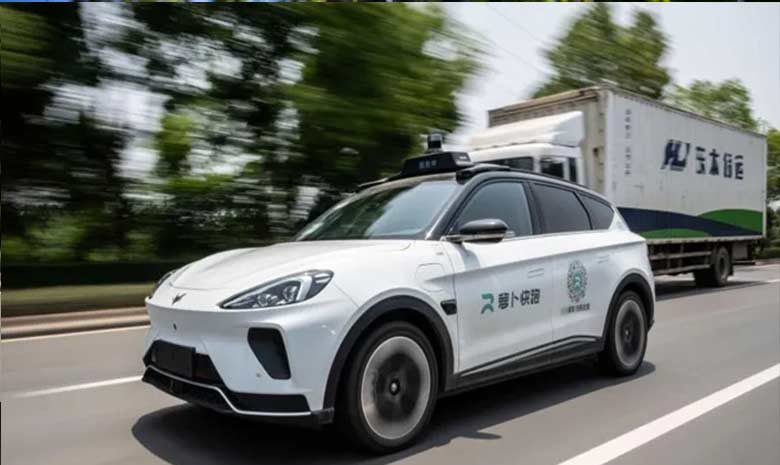
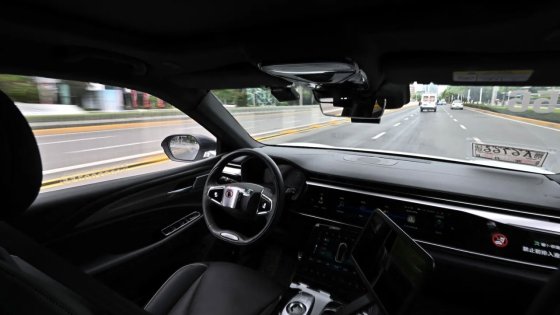
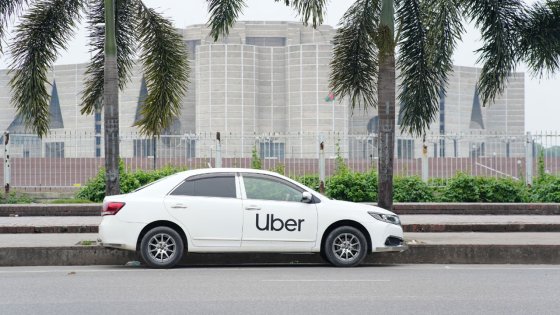
Uber and Lyft say they plan to trial Chinese-made robotaxis on UK roads in 2026 under separate partnerships with China’s Baidu, as the ride-hailing firms seek regulatory approval to test fully autonomous vehicles in London.
Baidu’s driverless Apollo Go taxis are already operating on roads in China and have also begun overseas deployments and trials, including in Hong Kong and Dubai, according to official statements and local transport authorities.
UK Transport Secretary Heidi Alexander welcomed the announcements as “another vote of confidence” in the government’s self-driving plans, saying passenger services are expected to begin “from spring” under a pilot scheme aimed at introducing the technology “safely and responsibly”.
Uber said in June it was bringing forward its UK driverless-car trial plans as the government moved to accelerate a framework for pilots of small, autonomous “bus- and taxi-like” services in 2026. On Monday, the company said it was “excited to accelerate Britain’s leadership in the future of mobility”, describing the Baidu partnership as a step towards offering Londoners another “safe and reliable” travel option next year.
Lyft said in August it would look to deploy driverless taxis in the UK and Germany under a European agreement with Baidu. The company already offers “autonomous rides” in Atlanta in the United States, where Uber also operates a robotaxi service through its partnership with Waymo.
Lyft chief executive David Risher said on X that, if regulators give approval, London passengers would be “the first in the region” to experience Baidu’s Apollo Go vehicles. He said an initial fleet of dozens of cars would begin testing next year, with plans to scale to hundreds.
However, both companies still require clearance from regulators. Jack Stilgoe, professor of science and technology studies at University College London, cautioned that driverless cars “can’t just scale up like other digital technologies”, warning there was a significant gap between limited trials and a fully developed transport system.
Safety and congestion concerns remain significant hurdles. Almost 60% of UK respondents to a YouGov poll published in October said they would not feel comfortable riding in a driverless taxi under any circumstances, while 85% said they would choose a cab with a human driver if price and convenience were the same.
Public unease has been fuelled by reports of autonomous vehicles making errors, trapping passengers, and causing traffic disruption. In one recent incident, self-driving taxi operator Waymo suspended its San Francisco service on Saturday after some of its vehicles stopped operating due to a power cut.
Professor Stilgoe said the UK should lead in setting standards for the technology, citing concerns over safety, privacy and congestion. He noted that London has been successful at reducing traffic in its city centre, adding: “When it comes to traffic, the only thing worse than a single-occupancy car is a zero-occupancy one.”