Arizona Semiconductor Leaders Join Bangladesh’s Silicon River Initiative

News Desk
10 June 2026, 10:48
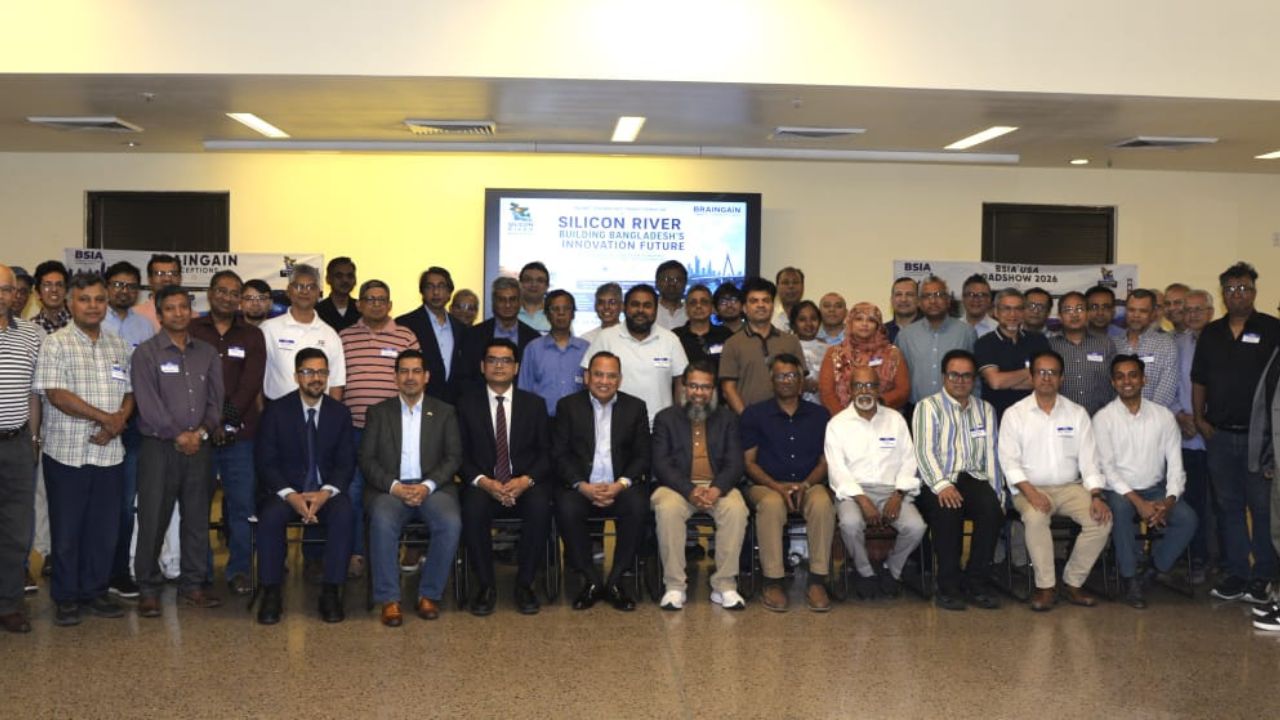
The BSIA Silicon River USA Roadshow 2026 continued its journey in Phoenix, Arizona, following a successful launch in Austin, Texas. Known as the “Silicon Desert,” Phoenix has emerged as one of the fastest-growing semiconductor hubs in the United States, making it a key destination for the initiative.
Semiconductor Experts Gather in Phoenix
The Arizona chapter began on June 7 with a BRAINGAIN Reception that brought together more than 80 Non-Resident Bangladeshi (NRB) semiconductor professionals representing over 30 global technology and semiconductor companies. Collectively, participants contributed more than 1,600 years of industry experience across chip design, manufacturing, packaging, testing, equipment development, artificial intelligence, and executive leadership.
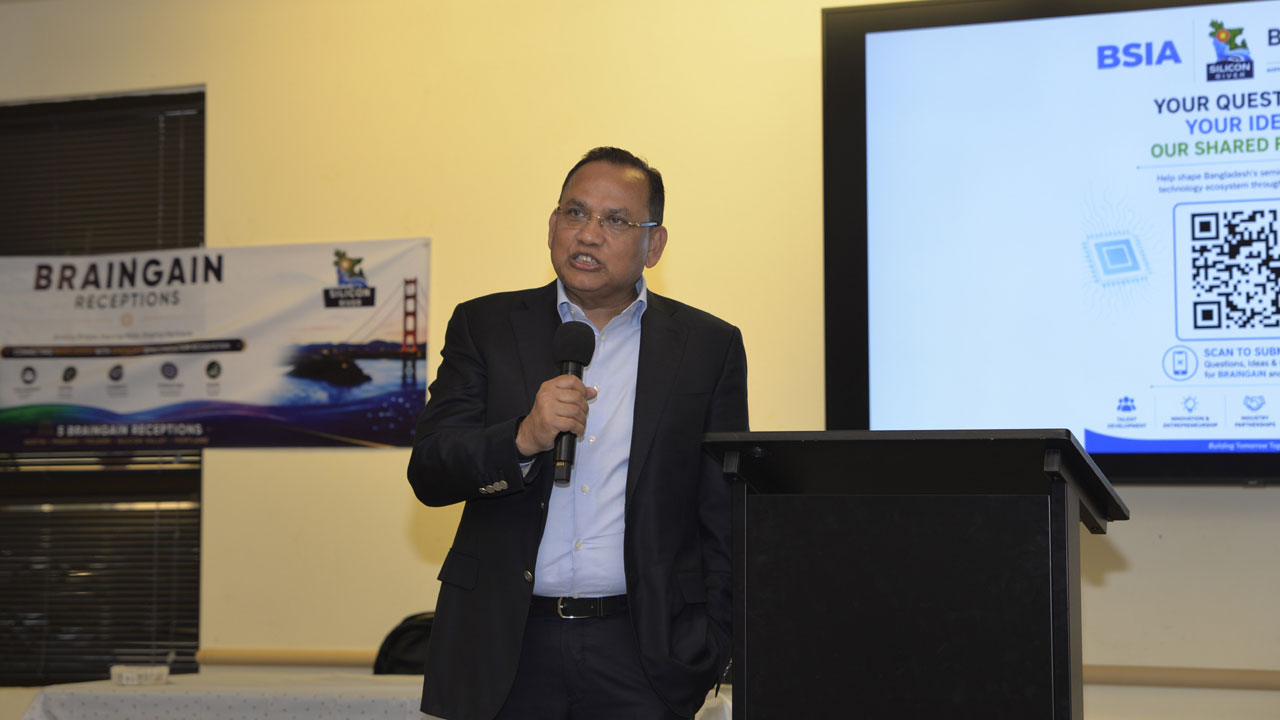
Welcoming the delegation, Nokibul Islam Tapan, Director of Business Development at Stats ChipPAC (JCET), highlighted Arizona’s growing role in advanced semiconductor manufacturing and packaging. He emphasized the opportunities for stronger collaboration between Bangladesh and the global semiconductor industry.
BSIA President M. A. Jabbar thanked the Arizona-based Bangladeshi community for supporting the initiative and called on the diaspora to actively contribute to Bangladesh’s semiconductor ambitions through mentorship, investment, and industry engagement.
Building Bangladesh’s Semiconductor Ecosystem
Veteran semiconductor professionals Zabir and Dr. Riyad presented the work of the Arizona Bangladeshi Semiconductor Society (ABSS), a volunteer-driven organization focused on semiconductor education, workforce development, mentorship, and skills training in Bangladesh.
Currently, more than ten semiconductor professionals from Arizona are actively involved in mentoring Bangladeshi students and young engineers through online training and technical guidance programs, with participation continuing to grow.
Professor Muhammad Mustafa Hussain of Purdue University and Chief Architect of the Silicon River Initiative delivered a keynote presentation outlining Bangladesh’s long-term semiconductor strategy. He highlighted recent progress, ecosystem-building efforts, and the importance of coordinated collaboration among academia, industry, entrepreneurs, policymakers, and the global Bangladeshi community.
Focus on AI and Future Technologies
Dr. Rezaul Islam Pavel of IBM discussed the growing influence of Agentic AI and its future impact on semiconductor design, manufacturing, business operations, and innovation. He emphasized the need for Bangladesh to prepare for a future where intelligent autonomous systems play a central role in technological advancement.
Representing the Government of Bangladesh, Consul General Qazi Muhammad Jabed Iqbal highlighted ongoing efforts to support semiconductor development, technology-driven growth, and international partnerships. The event also featured presentations from Cactus Materials, DSi, Neural Semiconductor Ltd., iTest, Ulkasemi, and ChipMentors, showcasing emerging opportunities and potential collaboration pathways.
Arizona State University Collaboration
On June 8, the delegation visited Arizona State University (ASU) for an extensive discussion on future cooperation with Bangladesh. The talks focused on expanding admission opportunities for Bangladeshi students, internship programs, research partnerships, faculty engagement, entrepreneurship initiatives, and workforce development.
Professor Hussain presented a ten-year collaboration roadmap outlining long-term engagement between ASU and Bangladesh. The proposal received strong support from university leadership, including Associate Vice Provost Jeff Goss. ASU officials also accepted an invitation to participate in the BEAR Summit 2026, scheduled to take place in Dhaka next month.
Industry Engagement Continues
The delegation concluded its Arizona visit with a tour of Cactus Materials, founded by BUET alumnus and semiconductor entrepreneur Dr. Rafiqul Islam. Discussions centered on Bangladesh’s growing engineering talent pool and the increasing global competition among countries seeking leadership positions in the semiconductor industry.
Following the Arizona program, the BSIA delegation departed for Silicon Valley, where the next phase of the Silicon River USA Roadshow 2026 will continue with additional industry meetings, university engagements, and BRAINGAIN activities aimed at strengthening Bangladesh’s position in the global semiconductor ecosystem.