Budget Expectations 2026-27
Forqan: Poor planning biggest obstacle in IT sector

News Desk
09 June 2026, 17:55
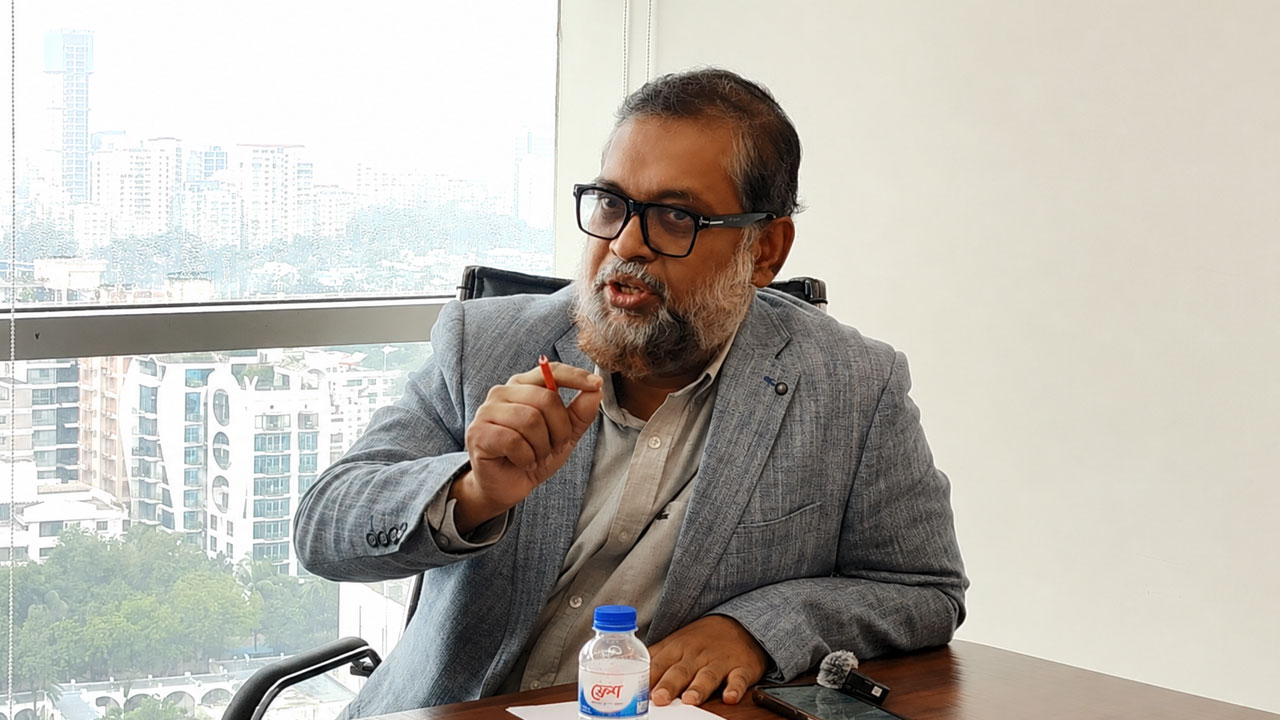
Lack of Meticulous Planning Is the Major Obstacle in the IT Sector: Forqan Bin Quasem
Forkan Bin Quasem, Managing Director and CEO of Spectrum Engineering Consortium (Pvt) Ltd., has identified the lack of “meticulous design” or well-structured planning as the primary obstacle to the development of the country’s IT industry. According to him, the pursuit of quick success and the absence of a long-term roadmap are preventing the sector from achieving its full potential. In particular, the wide gap between research conducted at the country’s higher education institutions and the practical needs of industry is hindering the advancement of the technology sector.
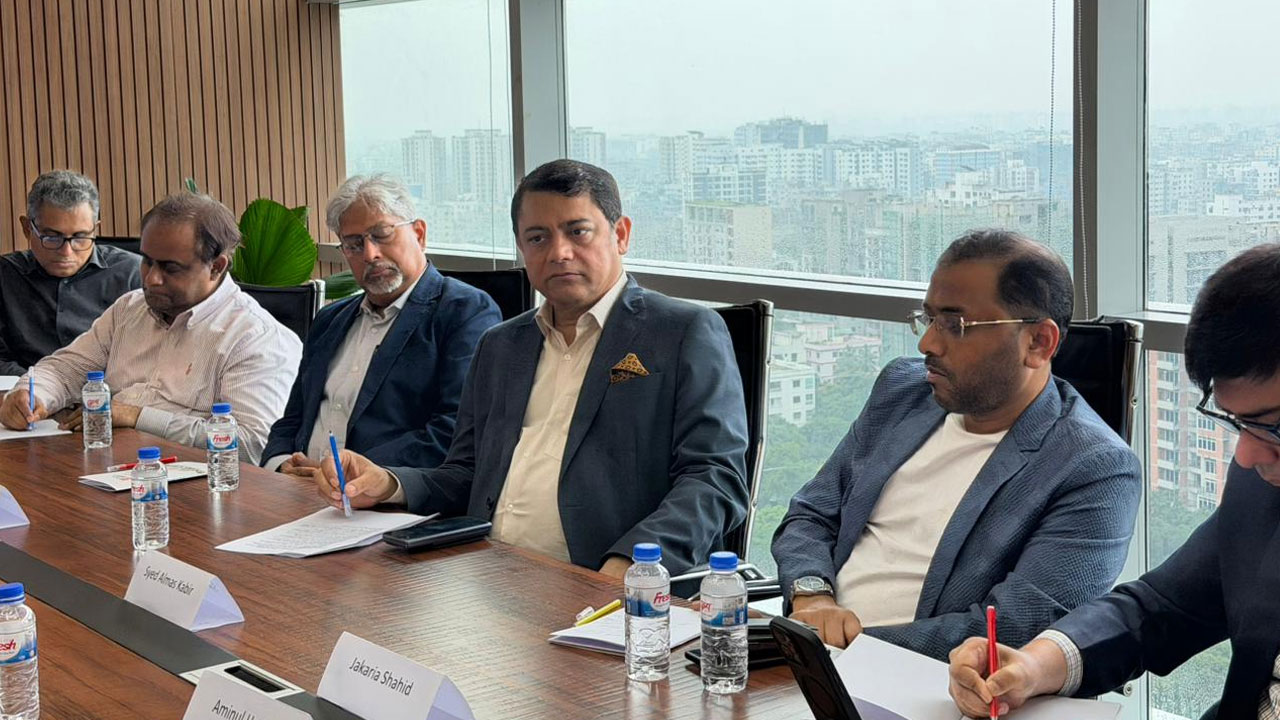
He made these remarks at a roundtable discussion organised by TechWorld Bangladesh on Thursday (May 21), ahead of the national budget for FY2026–27, with the participation of various stakeholders from the country’s information technology sector.
Crisis of Meticulous Design
Speaking at the roundtable, Forqan Bin Quasem drew on his extensive experience to say:
“One of the biggest weaknesses of Bangladesh’s IT sector is that we do not engage in thorough planning before initiating any project. What is known as ‘meticulous design’ in English is largely absent here. In many cases, when a particular technology or project gains popularity, everyone rushes to adopt it, but little attention is paid to its long-term impact or maintenance.”
He believes that while patchwork development projects may yield short-term gains, they are unlikely to sustain competitiveness in the international market. Building a robust digital ecosystem requires precise planning and implementation at every stage.
Lack of Connection Between Research and Industry
Forqan Bin Quasem expressed deep concern over the lack of alignment between academic research and the practical demands of industry. He said: “Every year, universities across the country produce a significant amount of excellent research, but the outcomes remain confined to laboratories and libraries. At the same time, industries continue to rely on foreign sources for the software and technological solutions they require. This disconnect between research and industry is limiting the country’s capacity for technological innovation. If university research could be directly linked to industry, our local solutions would become far more advanced and globally competitive.”
Psychological Barrier of Import Dependency
Although local IT entrepreneurs are developing solutions to many complex challenges, large public and private institutions continue to place greater trust in foreign software. Forqan Bin Quasem described this import-dependent mindset as a major impediment to development. He said:
“In many cases, local companies are capable of delivering solutions that are superior and more cost-effective than those offered by foreign firms. Yet we have failed to move beyond the misconception that ‘foreign means better.’ This tendency is not only draining foreign currency reserves but also discouraging talented local innovators.”
Recognition and Certification of Local Innovation
To promote local IT solutions, Forqan Bin Quasem proposed the introduction of a national certification and accreditation system. According to him, an independent government-backed body should be established to assess the quality of locally developed software and hardware and issue certifications accordingly. Such certification, he said, would encourage government agencies and large corporations to adopt local products with greater confidence.
“No country can achieve technological self-reliance without recognising and validating local innovation,” he said. He also called for a simplified and internationally recognised certification process to ensure proper evaluation of local innovators and their contributions.
The Temptation of Immediate Success vs. Long-Term Goals
Forqan Bin Quasem believes that policymakers and entrepreneurs alike are often driven by the pursuit of “immediate success,” a tendency he considers harmful to the technology sector. He said:
“To achieve meaningful success in the IT sector, patience and long-term investment are essential. Expecting transformative change overnight is unrealistic. If we continue to rely on shortcuts, infrastructure may be developed, but genuine innovation will remain elusive.” He stressed the importance of allocating dedicated funds for research and development in the national budget and reducing bureaucratic hurdles in accessing and utilising those funds.
Demand for an Integrated National Action Plan
Ahead of the upcoming FY2026–27 budget, Forqan Bin Quasem called for the formulation of an integrated national action plan. He said: “Rather than having different ministries and departments operate in isolation, there should be a unified master plan for the ICT sector. That plan must incorporate education, industry, banking and the legal framework. Policymakers also need to engage more closely with grassroots entrepreneurs and listen to the challenges they face in the field.”
Future Challenges and Our Preparedness
He believes Bangladesh is not yet adequately prepared to address the challenges of the Fourth Industrial Revolution. Forqan Bin Quasem said: “The world is currently witnessing a revolution in Artificial Intelligence (AI). If we move forward without meticulous planning, we risk falling behind once again. To develop solutions tailored to our national needs using advanced technologies such as AI and blockchain, researchers and entrepreneurs must begin collaborating immediately.”
In conclusion, Forqan Bin Quasem said: