Meta reportedly plans new smart glasses and AI pendant

News Desk
03 June 2026, 10:55
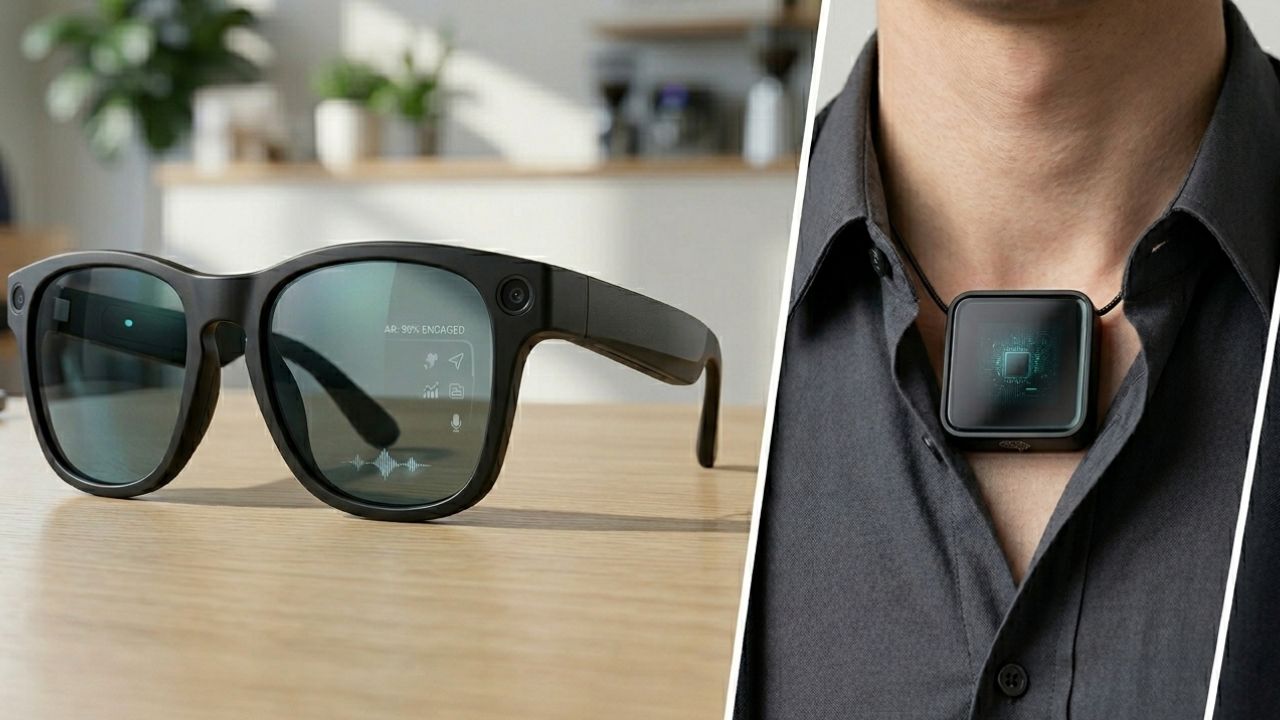
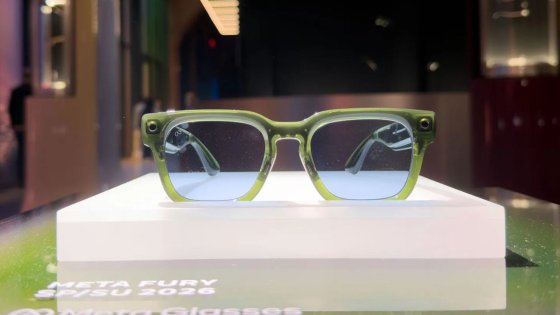
June 3 (TechWorld) - Meta is developing several new artificial intelligence-powered wearable devices, including four smart-glasses models, an AI-powered pendant, and a consumer AI assistant, The Information reported, as the company seeks to expand beyond its existing Ray-Ban Meta and Oakley Meta products.
The reported roadmap includes smart glasses codenamed Modelo, Luna, RBM2 Refresh and Mojito VIP, alongside a broader strategy focused on AI-powered hardware and subscription-based services, according to the report. Modelo could launch as early as June, while Luna and RBM2 Refresh are expected later this year. Mojito VIP is reportedly targeted for a December release.
Meta has not publicly confirmed the reported products, and details about the devices remain limited. RBM2 Refresh is believed to be a successor to the current Ray-Ban Meta lineup, while little information is available about the other models. The developments come as competition in AI-powered eyewear intensifies. Google recently showcased its Android XR smart glasses platform at its developer conference and said it plans to offer both audio-focused and display-equipped devices. Apple is also reportedly working on AI-powered smart glasses aimed at competing with Meta's products.
Meta's wearable strategy currently centers on Ray-Ban Meta and Oakley Meta smart glasses, which allow users to capture photos and videos, listen to music, make calls and interact with Meta AI through voice commands. The company has increasingly positioned smart glasses as a key part of its AI strategy, arguing that wearable devices can provide more natural access to artificial intelligence than smartphones by combining cameras, microphones and speakers in a hands-free form factor.
Current Ray-Ban Meta glasses allow users to ask questions about objects in their surroundings, obtain information, translate text and perform other tasks using voice commands. Future devices could expand those capabilities by enabling more continuous and context-aware AI interactions, according to the report.
The growing investment by Meta, Google and Apple suggests major technology companies increasingly view smart glasses and other AI-enabled wearables as a potential successor to some smartphone-based experiences.