Why Phone Batteries Are Improving but Still Struggle to Last All Day

News Desk
08 June 2026, 11:49
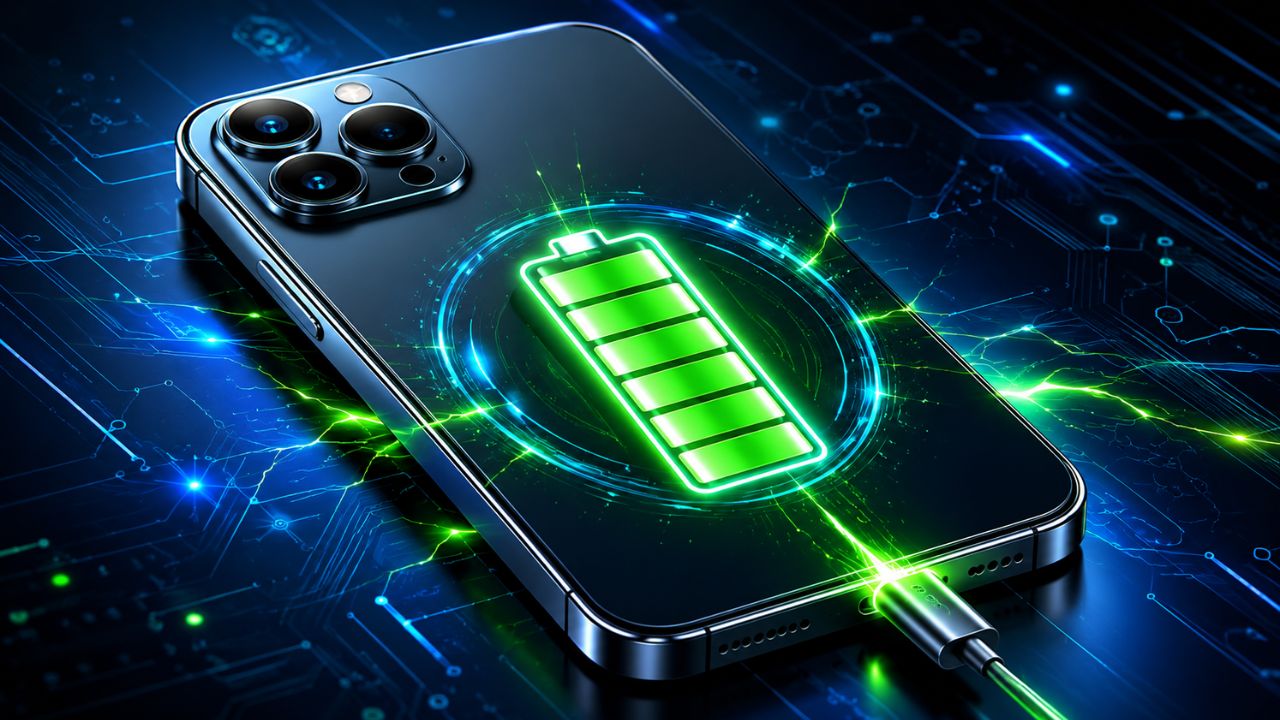
Despite significant advances in smartphone technology, battery life remains one of the biggest frustrations for users. A recent CNET survey found that 58% of smartphone owners are unhappy with their device’s battery performance, making battery life a stronger upgrade motivator than storage, cameras or display improvements.
Experts say the issue is not that batteries have stopped improving. Instead, smartphones have become far more demanding, serving as cameras, navigation devices, digital wallets and AI assistants. As devices consume more power, battery gains often struggle to keep pace.
A breakthrough could come from silicon-carbon batteries, a next-generation version of lithium-ion technology. By replacing part of the traditional graphite anode with silicon-carbon materials, these batteries can store more energy in the same space, potentially delivering longer battery life and faster charging speeds.
Several Chinese smartphone brands, including Honor, Huawei, Oppo and OnePlus, have already adopted silicon-carbon batteries in some devices. Motorola has also introduced the technology in newer models, while Apple, Samsung and Google are still evaluating wider adoption.
Battery industry experts believe silicon-carbon technology could become mainstream within the next few years. Companies such as Group14 and Sila Nanotechnologies are expanding production capacity to meet growing demand from smartphone manufacturers and other consumer electronics makers.
Beyond silicon-carbon, researchers are also working on future battery technologies such as solid-state, lithium-sulfur and lithium-metal batteries. While these solutions promise even higher energy density and improved safety, most remain years away from large-scale deployment.
In the meantime, experts recommend practical steps to extend battery lifespan, including limiting charging to 80% when possible, avoiding excessive heat exposure and reducing the use of unnecessary background apps.
As smartphone makers continue adding AI-powered features and other advanced capabilities, battery innovation is becoming increasingly important. Industry analysts believe silicon-carbon batteries represent the most significant rechargeable battery advancement in decades and could soon help close the gap between growing power demands and everyday battery life expectations.
Source: CNET