Researchers Reveal Unfixable iPhone Chip Flaw With Jailbreak Potential

News Desk
24 June 2026, 11:47
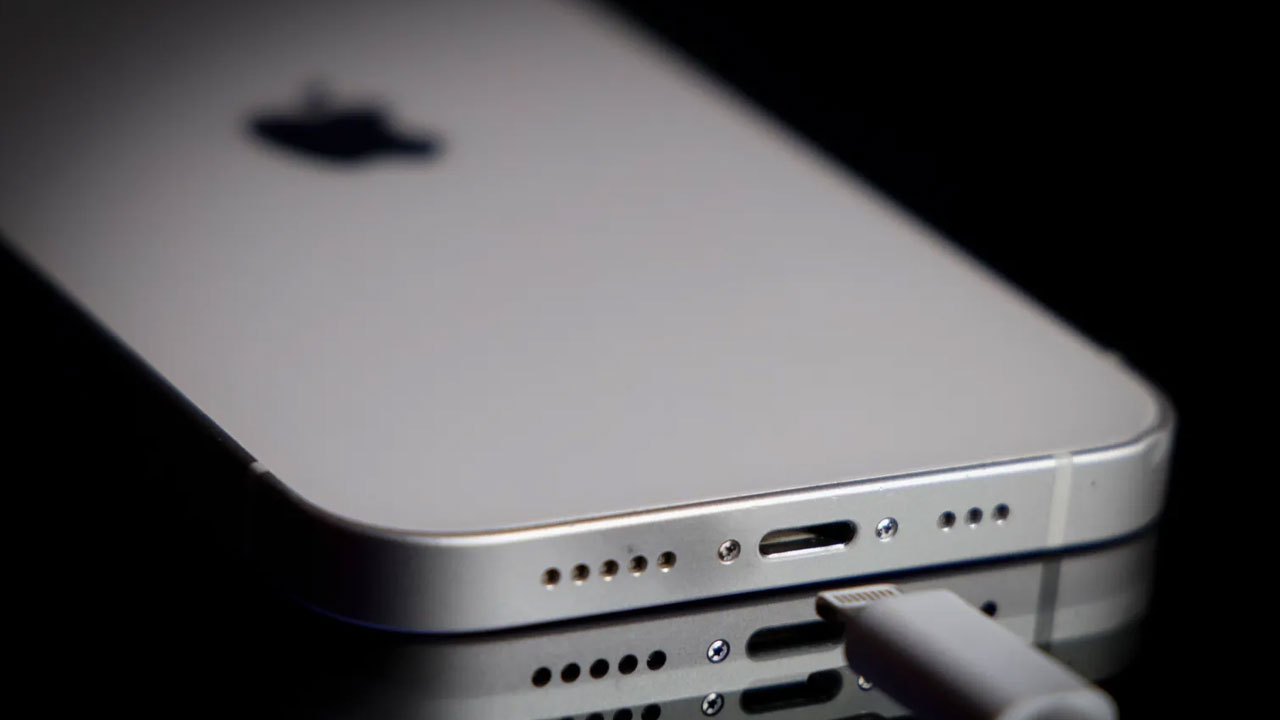
A newly disclosed vulnerability affecting older Apple chips has drawn attention from the cybersecurity community after researchers revealed that the flaw could help pave the way for future iPhone jailbreaks and advanced hacking techniques.
The vulnerability, dubbed "usbliter8," was disclosed by Barcelona-based offensive security firm Paradigm Shift, which also released a proof-of-concept exploit demonstrating how the flaw can be abused with physical access to a device. While the vulnerability does not immediately make older iPhones easy targets, security experts say it provides an important building block that could be combined with other exploits to bypass Apple's security protections.
Hardware-Level Flaw Affects Older iPhones
The vulnerability impacts Apple's A12 and A13 chips, which powered devices released between 2018 and 2019. Affected models include:
- iPhone XS
- iPhone XS Max
- iPhone XR
- iPhone 11
According to Paradigm Shift, the flaw exists within the iPhone's Boot ROM, the first code that executes when the device powers on. Because the Boot ROM serves as the foundation of Apple's security architecture, vulnerabilities at this level are particularly valuable to researchers and attackers alike.
Why the Vulnerability Cannot Be Patched
Unlike software bugs that can be fixed through updates, the newly discovered flaw resides in immutable hardware code permanently embedded inside the chip. This means Apple cannot distribute a software patch to eliminate the vulnerability on affected devices.
"As these vulnerabilities reside in immutable code, affected users should be aware that migrating to newer hardware remains the most effective mitigation," Paradigm Shift said in its disclosure. In practical terms, users of affected devices would need to upgrade to newer hardware to completely avoid the issue.
Physical Access Still Required
Despite concerns surrounding the disclosure, the vulnerability is not remotely exploitable.
An attacker must first gain physical access to the target iPhone and connect directly to the device in order to exploit the flaw. The proof-of-concept released by Paradigm Shift demonstrates this attack scenario through a wired connection.
Because of this requirement, the vulnerability poses limited risk to most everyday users. However, for security researchers, forensic specialists, and companies that develop device-unlocking tools, the flaw is highly significant.
Potential Impact on Jailbreaks and Forensics
The Boot ROM represents the first layer of security during an iPhone's startup process. Successfully exploiting it can provide attackers with a foothold that helps bypass additional security checks later in the boot sequence.
Researchers believe the vulnerability could eventually contribute to new iPhone jailbreak techniques, allowing users or attackers to remove Apple's software restrictions and gain deeper access to the operating system. The flaw may also be valuable for digital forensics companies that assist law enforcement agencies in accessing locked devices.
Firms such as Cellebrite and Magnet Forensics have historically relied on sophisticated chains of vulnerabilities to gain access to protected smartphones. While a Boot ROM exploit alone is not enough to extract user data, it can serve as a crucial first step in a larger attack chain.
A Reminder That No Device Is Perfectly Secure
The disclosure highlights an ongoing reality in cybersecurity: even highly secure devices can contain vulnerabilities. Apple has spent years strengthening iPhone security through hardware protections, secure boot processes, and software safeguards. Yet hardware-level flaws discovered years after a device's release demonstrate that security is an evolving challenge rather than a permanent state.
For most users, the risk remains low due to the requirement for physical access and the need for additional exploits. Nevertheless, the discovery of an unpatchable vulnerability in a core component of Apple's security architecture is likely to attract significant interest from security researchers, forensic experts, and government agencies seeking new ways to access protected devices.