Majorana 2 chip marks step forward in quantum race, Microsoft says

News Desk
03 June 2026, 13:44
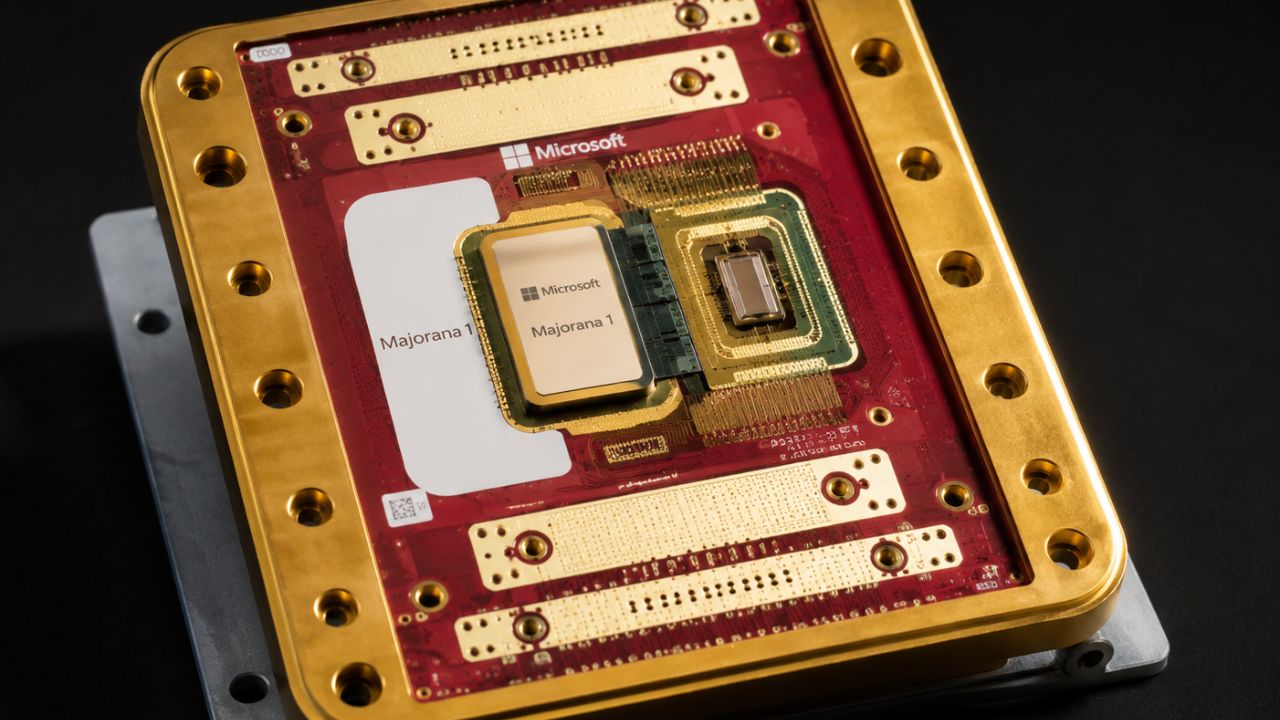
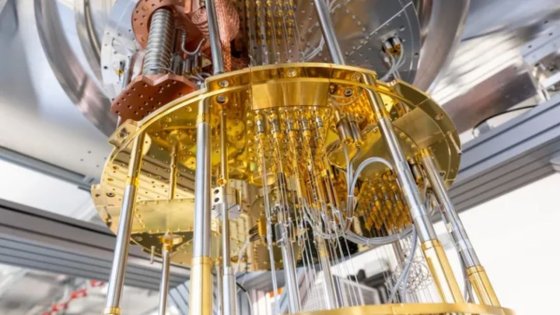
Microsoft says its new quantum computing chip is significantly more reliable than its previous version, marking progress toward a quantum computer capable of solving commercially useful problems within three years.
At the core of quantum computing are qubits, which can exist in multiple states at once and promise to solve problems beyond the reach of today’s machines. However, qubits are notoriously fragile and unstable, with even minor environmental disturbances causing errors.
Microsoft says the qubits on its new Majorana 2 chip survive for an average of 20 seconds, compared with milliseconds on its earlier Majorana 1 system. The company says this makes the new chip roughly 1,000 times more reliable, comparing the improvement to a phone that needs daily charging versus one that can last years.
“We will have a quantum machine in 2029 that can solve commercially viable, reasonable problems,” said Zulfi Alam, corporate vice president of Microsoft Quantum. However, such a system would require millions of qubits, while the current chip has 12.
Assessing Microsoft’s claims is difficult, as the company does not release full technical details publicly, citing commercial confidentiality.
There is a global race to develop quantum computing due to its potential to solve tasks too complex for even the most powerful classical computers. Microsoft has spent around 20 years pursuing a “topological” approach, based on a theoretical particle called the Majorana fermion, first predicted in the 1930s by Ettore Majorana. This approach relies on an exotic state of matter beyond solids, liquids, and gases.
Paul Stevenson, a physics professor at the University of Surrey, said the timeline sounded plausible if the research holds up, adding that Microsoft may have made a significant leap toward viable topological qubits.
The company was previously forced to retract a 2018 Nature paper claiming evidence of Majorana particles, and its approach has faced skepticism from some scientists. Henry Legg of the University of St Andrews previously said Microsoft’s research had “entered the realm of faith.”
Microsoft says it stands by its work and is participating in a DARPA programme to validate its quantum computing concept, sharing detailed data for assessment. However, its latest paper has not yet been peer reviewed, and experts say more information is needed.
Source: BBC