Microsoft Introduces New Surface Devices Built for Local AI Workloads

News Desk
04 June 2026, 13:15
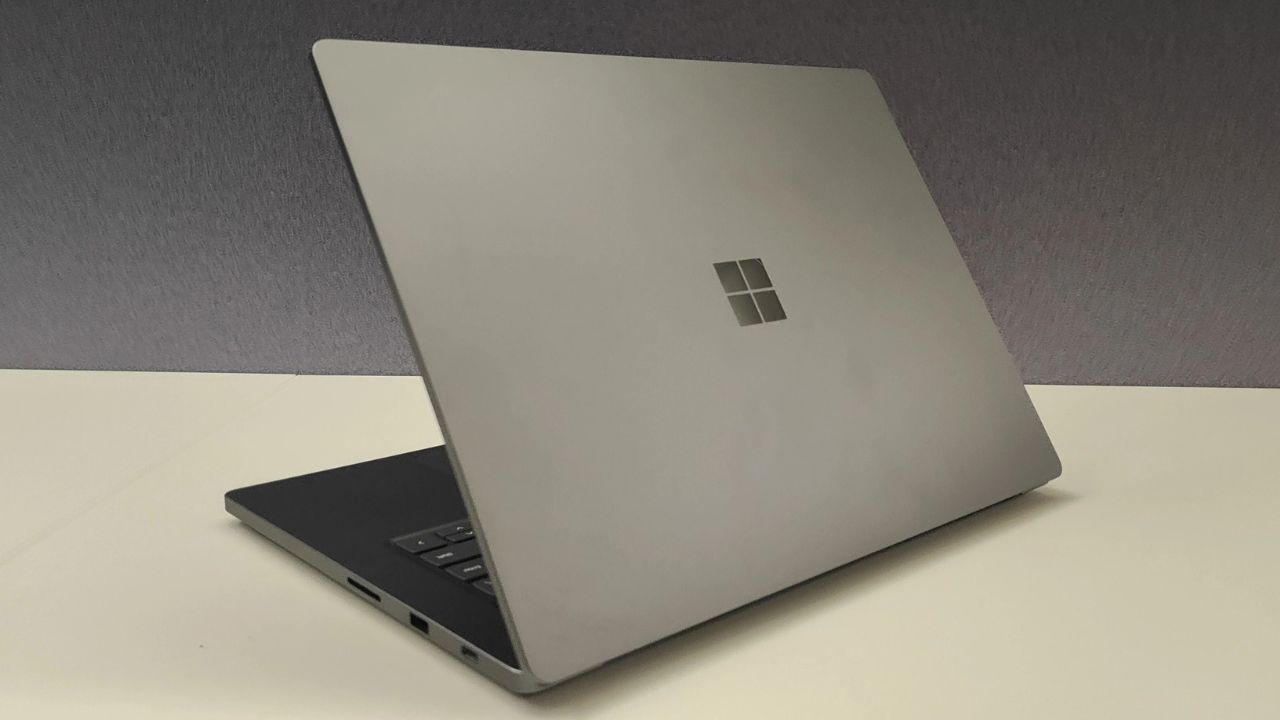
Microsoft has offered an early look at two new Surface devices powered by Nvidia's RTX Spark platform, signaling the company's growing focus on AI-powered computing for developers, creators, and professional users.
The new devices—the Surface Laptop Ultra and Surface RTX Spark Dev Box—were showcased during Microsoft's Build conference. While both products use Nvidia's RTX Spark architecture and feature up to 128GB of unified memory, they target different use cases, ranging from portable AI development to desktop-based workloads.
Surface Laptop Ultra Focuses on Performance
The Surface Laptop Ultra marks a departure from Microsoft's experimental Surface designs. Instead of detachable screens or convertible hinges, the device adopts a traditional clamshell form factor aimed at users who need high performance.
The laptop features a 15-inch mini-LED display capable of reaching up to 2,000 nits of HDR brightness, making it the brightest screen Microsoft has ever shipped on a Surface device.
Microsoft has also introduced enhanced haptic feedback in the trackpad through Windows 11. The system provides tactile responses when users interact with interface elements such as buttons, sliders, and object controls, creating a more responsive experience.
During demonstrations, Microsoft showcased the laptop running a local AI model that consumed a significant portion of its 128GB memory while simultaneously running the game "Indiana Jones and the Great Circle."
The company also highlighted the device's thermal design. According to Microsoft, dual cooling fans help manage workloads while keeping noise levels low during intensive tasks.
Designed With Repairability in Mind
Microsoft continues to emphasize repairability across its Surface lineup.
The company has redesigned the internal layout of the Surface Laptop Ultra to make components easier to access and replace. The effort builds on improvements introduced in previous Surface devices, which significantly improved repairability scores compared to earlier generations.
For professionals and businesses, easier repairs could help reduce maintenance costs and extend device lifespan.
More Ports Than Typical Premium Laptops
One area where the Surface Laptop Ultra stands out is connectivity.
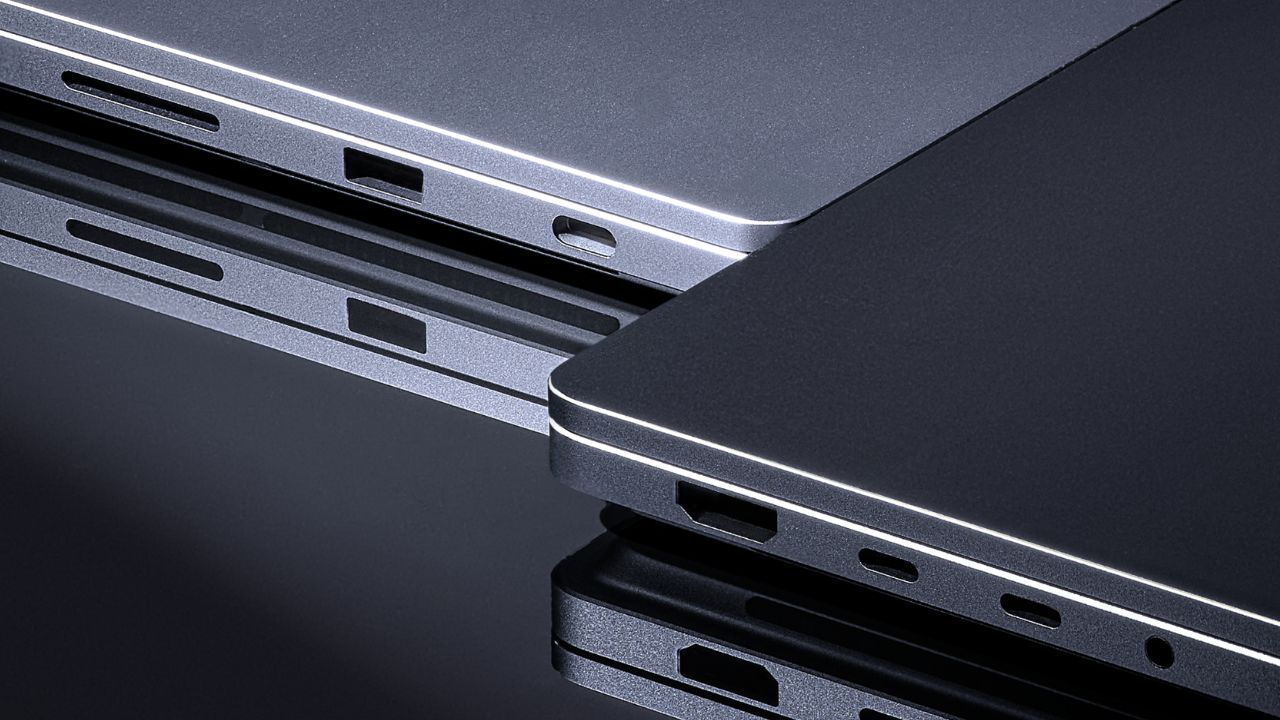
The laptop includes three USB-C ports, a USB-A port, HDMI output, and a full-size SD card reader. Such a selection is increasingly uncommon among premium laptops, many of which rely heavily on USB-C connectivity alone.
Microsoft has also hinted at an undisclosed feature related to one of the USB-C ports. Company executives declined to provide details but indicated more information would be shared closer to launch.
Notably, the device does not include Microsoft's traditional Surface Connect magnetic charging port.

Built for Local AI Processing
Although the Surface Laptop Ultra supports all Copilot Plus PC features, Microsoft is positioning the device primarily toward developers, creators, and professionals who want to run AI models locally.
The company argues that local AI processing can reduce dependence on cloud services and eliminate usage-based AI costs.
Microsoft executives said users will be able to perform many AI tasks directly on the device without relying on external cloud infrastructure, although certain workloads will still benefit from cloud computing resources.
Surface RTX Spark Dev Box Targets Developers
Alongside the laptop, Microsoft also previewed the Surface RTX Spark Dev Box, a compact desktop computer designed specifically for AI development.
The system features an aluminum 3D-printed chassis and includes approximately 1,000 ventilation holes, a design choice Microsoft says reflects its 1,000 teraflops of computing performance.
Visually, the device resembles a flattened version of Microsoft's Xbox Series X console.
The Dev Box includes USB-C, USB-A, HDMI, Ethernet, and headphone connectivity options. While it uses the same RTX Spark platform as the Surface Laptop Ultra, Microsoft says there are hardware differences between the two products that have not yet been fully disclosed.
One confirmed advantage is thermal performance. The Dev Box operates with a 100-watt thermal envelope compared to up to 80 watts on the laptop, allowing it to sustain demanding AI workloads for longer periods.
Pricing Remains the Biggest Question
Microsoft has not yet announced pricing for either device.
However, industry observers expect both products to target the premium end of the PC market, particularly given their AI-focused hardware, large memory configurations, and Nvidia-powered architecture.
The company is expected to reveal additional specifications, availability details, and pricing information later this year.