Budget Expectations 2026-27
High Tax Burden on Internet: ISPAB Calls for Duty Waiver in Budget

News Desk
10 June 2026, 11:56
Internet has now become an essential utility service, like electricity, water, and roads, for the country’s socio-economic development. The government has formally declared the internet a utility service on paper. However, the reality on the ground tells a different story. This declaration is not reflected in the prevailing tax and duty structure. At present, broadband internet expansion is subject to an overall tax burden of nearly 37 percent at various stages, making the service expensive for ordinary consumers.
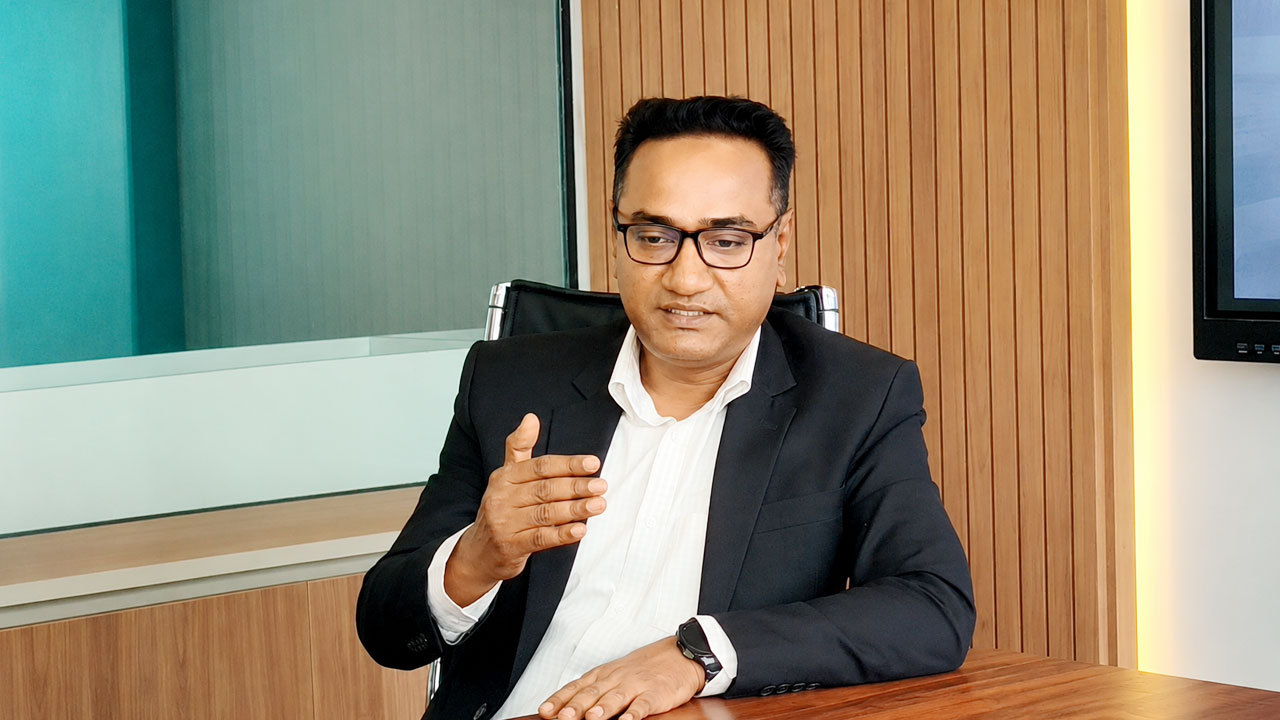
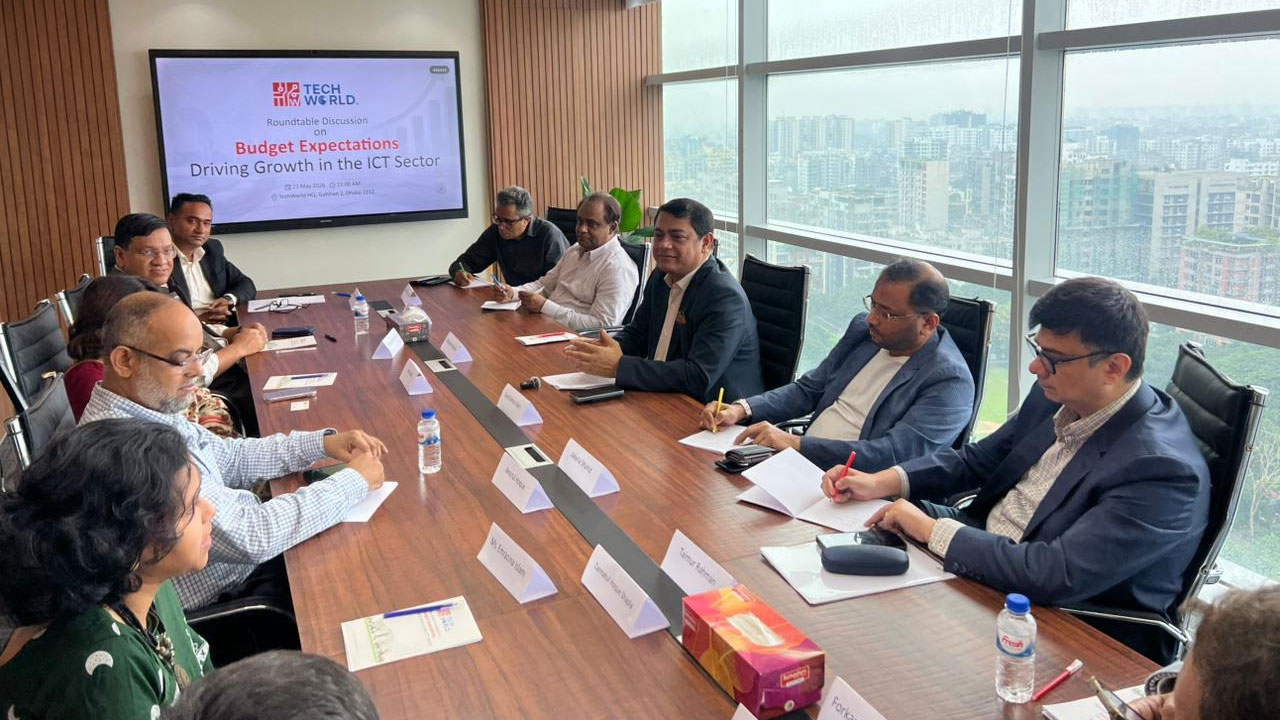
At a roundtable discussion organised by TechWorld Bangladesh on Thursday (May 21), with the participation of various stakeholders from the country’s ICT sector ahead of the FY2026-27 national budget, Internet Service Providers Association of Bangladesh (ISPAB) treasurer Moin Uddin Ahmed raised these concerns.
Tax Burden Despite Utility Status
At the outset of his remarks, Moin Uddin Ahmed pointed out the contradiction in policy formulation. He said:
High Taxes on Fibre and Equipment
The high cost of infrastructure has become a major obstacle to expanding internet services to grassroots areas. Moin Uddin noted that optical fibre cables and networking equipment are the core components of broadband internet. At present, the level of duties and taxes imposed on these imports is unbearable for most entrepreneurs.
He strongly demanded zero or minimal tax on optical fibre and internet equipment in the upcoming budget. According to him, only by reducing infrastructure costs will it be possible to provide affordable internet services to remote rural areas.
Burden of Multi-layered VAT
Moin Uddin Ahmed also elaborated on the inconsistencies in the VAT system applied to internet services. He said that VAT is being collected at multiple stages for the same service.
“For example, when an internet service provider purchases bandwidth from the International Internet Gateway (IIG), VAT is applied there. Again, when the same bandwidth is delivered to the end user, VAT is also imposed at the end-user level. As a result of this multi-layered VAT system, the final internet bill increases significantly,” he said.
He termed this system irrational and proposed the complete removal of VAT on internet services at the consumer level.
37 Percent Effective Tax Burden on Broadband
Moin Uddin Ahmed cited a striking figure, saying that the overall effective tax rate on broadband internet has reached nearly 37 percent. This includes import duties, Advance Income Tax (AIT), and VAT at different stages.
“When a service is being considered a key tool for building a ‘new Bangladesh,’ imposing a 37 percent tax burden on it is contradictory to the philosophy of development,” he said, questioning why such a basic digital service remains heavily taxed.
Barriers to Expanding Services in Rural Areas
Bridging the digital divide between urban and rural areas has no alternative without expanding broadband internet. However, due to the existing tax structure, small ISP entrepreneurs outside major cities are facing significant difficulties in business operations.
According to Moin Uddin, the cost of bandwidth transport outside Dhaka is already high, and the additional burden of expensive equipment makes it difficult for entrepreneurs to expand connections. Without a rational tax structure, the government’s target of expanding high-speed internet to rural areas may face serious setbacks.
Protecting Local Entrepreneurs
The discussion also highlighted concerns regarding competition and sustainability in the internet sector. Moin Uddin Ahmed said that in many cases, large corporate entities create unfair competition, making it difficult for local operators who have been providing services for years to survive.
He argued that budget measures should not only reduce taxes but also ensure easier access to financing for local ISP entrepreneurs and provide greater business protection. He also called for resolving complications related to foreign payments that hinder equipment imports.
Expectations for the Budget and Digital Future
Calling for special attention to the internet service sector in the upcoming budget, Moin Uddin Ahmed said:
“The Internet is not just a commercial product; it is a medium for education, employment opportunities, and access to information. If we want to encourage education and freelancing, there is no alternative to reducing internet costs.” He urged the government to remove all additional duties on internet equipment in the upcoming fiscal year to ensure digital access for all citizens.
He also said, “To realise the dream of a new Bangladesh, we must build an inclusive digital society. And the foundation of that society is affordable and uninterrupted internet. It is time to reduce the tax burden and truly establish the internet as a utility service.”