Budget Expectations 2026-27
E-commerce Sector Seeks Collateral-Free Loans, Dedicated R&D Fund

News Desk
10 June 2026, 12:52
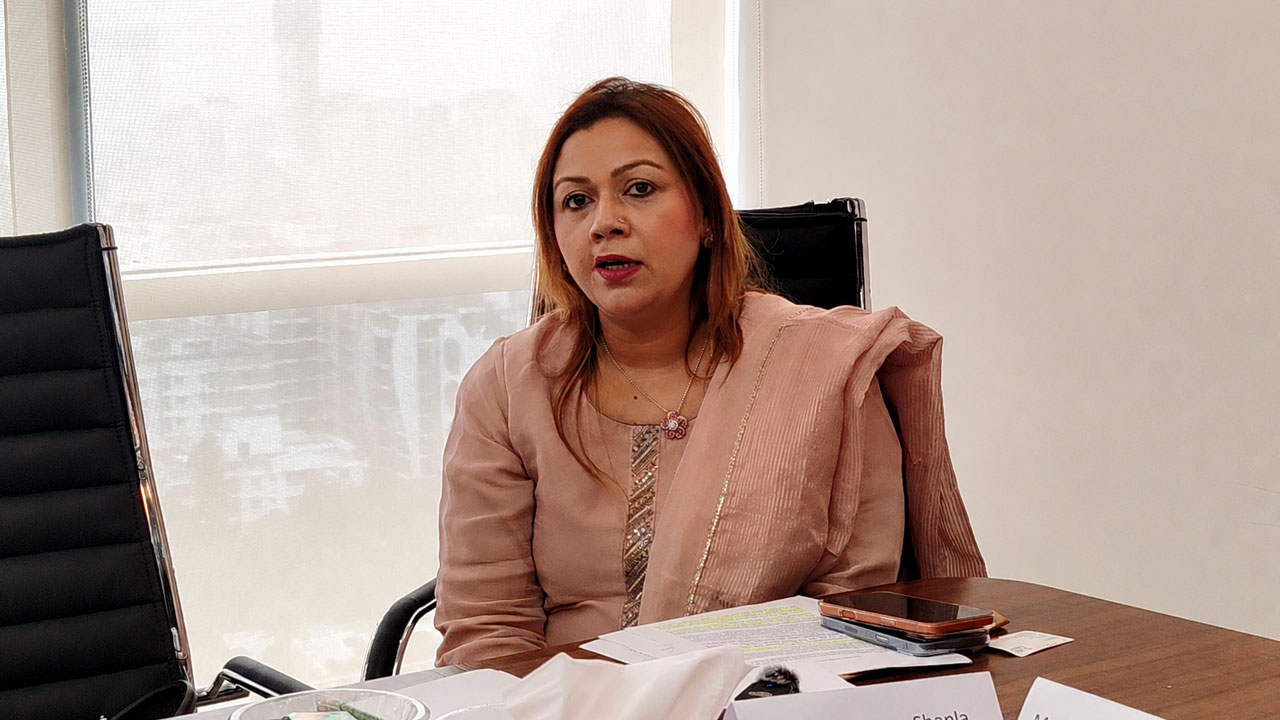
The country’s emerging e-commerce or digital commerce sector is being driven largely by small and medium entrepreneurs, a significant portion of whom are women. However, the sector’s proper development is being hindered by a lack of financing, logistical inefficiencies, and instability in tax policy. Stakeholders have called for special safeguards and policy support in the upcoming FY2026-27 national budget, particularly through collateral-free loans and the establishment of a dedicated research and development (R&D) fund.
At a roundtable discussion organised by TechWorld Bangladesh on Thursday (May 21), with the participation of various stakeholders from the country’s ICT sector ahead of the FY2026-27 national budget, Jannatul Hoque Shapla, member of the associate committee of the E-Commerce Association of Bangladesh (e-CAB), made these demands. She said that with proper policy support, the sector could bring a transformative impact on employment generation and foreign exchange earnings.
Financing Crisis Facing Women Entrepreneurs
Representing e-CAB and women entrepreneurs, Jannatul Hoque Shapla said:
She urged that the upcoming national budget must include clear provisions for collateral-free loans on easy terms to integrate women entrepreneurs into the formal financial system. Without such guarantees, she warned, the potential of women entrepreneurs could remain unrealised.
Proposal for a Dedicated Research and Development (R&D) Fund
To strengthen the e-commerce and startup ecosystem, Jannatul Hoque Shapla emphasised the need for a dedicated research and development fund in the budget.
“In developed countries, the state invests heavily in harnessing the innovative capacity of young people. Although talented youth in Bangladesh are working on new ideas, many of these do not materialise due to a lack of financial and technical support. If a dedicated government fund is established, entrepreneurs will be able to research new products and services, which will ultimately strengthen the digital economy in the long run,” she said.

Tax Stability and Foreign Investment
Jannatul Hoque Shapla also stressed the need for stability in tax policy to attract foreign investment in Bangladesh’s e-commerce sector. She noted that frequent changes in tax rates and regulations in the national budget undermine investor confidence. A long-term and realistic tax framework, she argued, would help build trust in the startup ecosystem.
She also called for at least a 10-year stable tax structure for the e-commerce and ICT sectors to retain skilled professionals and generate employment.
Call to Reactivate e-CAB
The discussion also touched on the current inactivity of e-CAB. Jannatul Hoque Shapla said that due to political changes and developments following August 5, the organisation’s activities have remained largely suspended.
She stressed that e-CAB is a crucial stakeholder in the country’s ICT sector and should be reactivated without delay so that it can effectively address the challenges faced by entrepreneurs.
Expectations for the Budget and Smart Economy
At the conclusion of the discussion, participants agreed that e-commerce is not merely a platform for buying and selling but a foundation of the future “smart economy.”
They urged the government to reduce tax rates for small entrepreneurs, increase export-oriented support, and ensure adequate incentives in the upcoming budget. They argued that focusing solely on revenue collection would limit sectoral growth, while allowing the sector to expand would ultimately generate higher indirect revenue through VAT and taxes.
In her closing remarks, Jannatul Hoque Shapla said that women entrepreneurs are no longer lagging, but unlocking their full potential requires collateral-free loans and a stable business environment. She expressed hope that the upcoming budget would open new opportunities for women entrepreneurs in the country.