Budget Expectations 2026-27
Call for ‘Train the Trainer’ Model and 10-Year Tax Holiday in BPO Sector

News Desk
10 June 2026, 14:36
Bangladesh’s universities are producing a large number of graduates every year, and a significant portion of them are finding employment in the country’s Business Process Outsourcing (BPO) sector. However, to fully unlock the sector’s potential and remain competitive in the global market, long-term policy support is essential. Industry stakeholders have particularly stressed the need to extend tax benefits for Information Technology Enabled Services (ITES) for at least another 10 years, along with the introduction of a “Train the Trainer” model to ensure quality skills development.
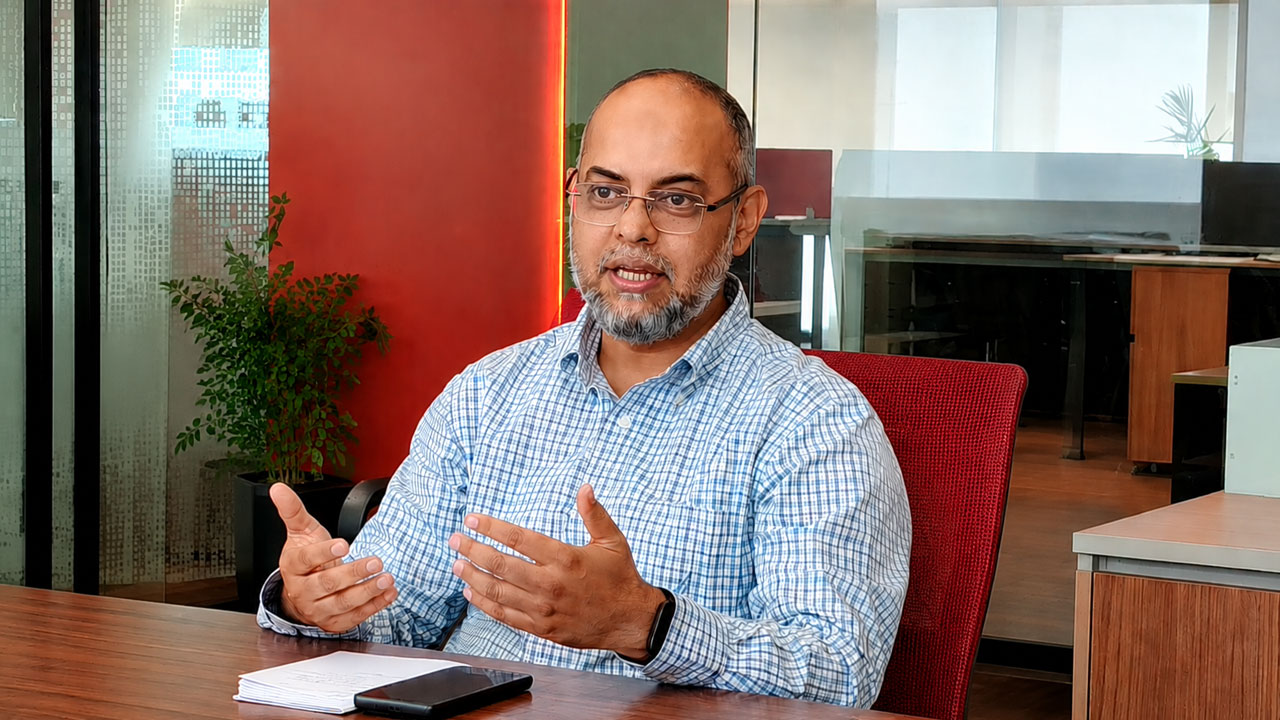
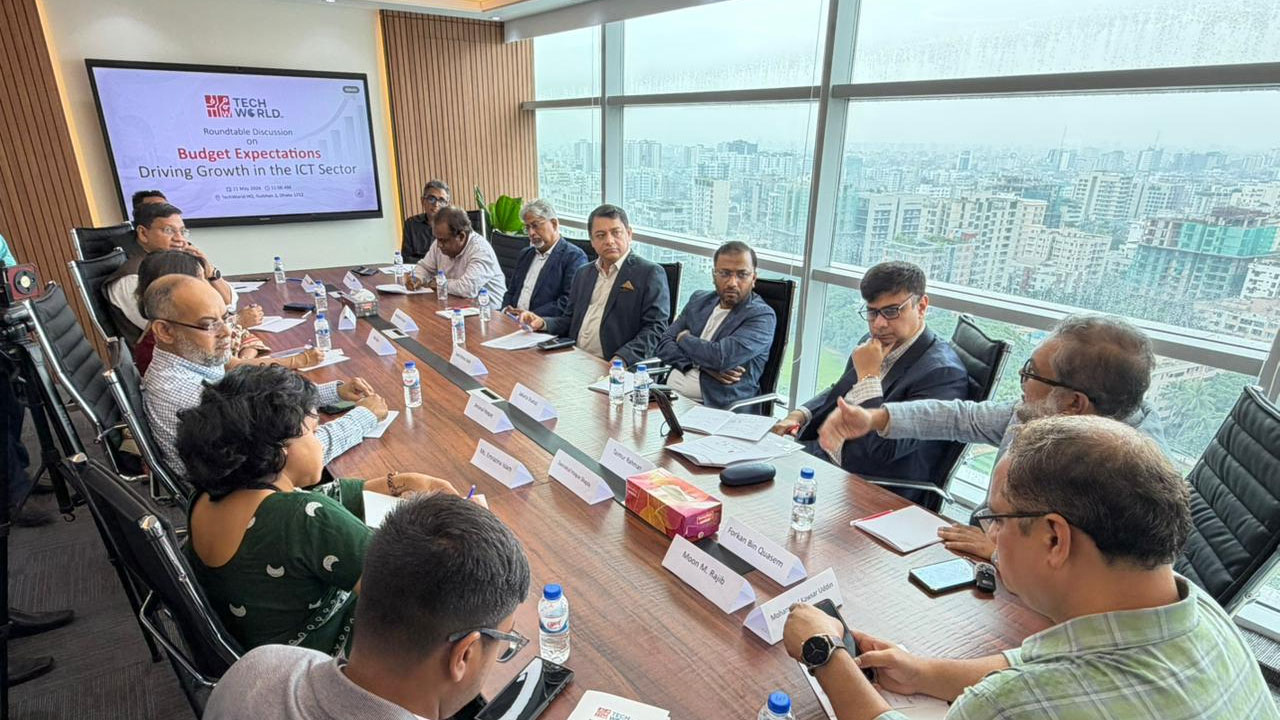
At a roundtable discussion organised by TechWorld Bangladesh on Thursday (May 21), with participation from various stakeholders ahead of the FY2026-27 national budget, Mohammad Aminul Haque, Finance Secretary of the Bangladesh Association of Contact Center and Outsourcing (BACCO), highlighted the sector’s contribution to the labour market and the existing barriers to its growth.
BPO as a Trusted Destination for Youth Employment
In his remarks, Aminul Haque noted that the BPO sector has become one of the largest employment avenues for fresh graduates in Bangladesh, particularly in Dhaka-based organisations where university graduates are entering the workforce directly.
He said:
According to him, the BPO industry is not just a source of employment but also an informal training ground where young professionals acquire essential workplace skills. Workers gain transferable skills that later enable them to secure higher-paying roles in corporate organisations and international firms.
Gap Between Education and Industry Demand
Aminul Haque also highlighted a significant mismatch between university education and industry requirements. He expressed concern that many graduates lack basic communication skills and foundational computer literacy even after completing their degrees. As a result, BPO companies are often forced to train recruits from scratch, effectively taking on the responsibility of bridging the skills gap at their own cost.
To address this issue, he stressed the need for stronger collaboration between academia and industry. He proposed integrating real-world case studies from local industries into university curricula so that students can better understand labour market demands before entering the workforce.
Training Shortage and Need for ‘Train the Trainer’ Model
With the growing adoption of technologies such as artificial intelligence (AI), data analytics, and cloud computing, the need for advanced skill development in the BPO sector has increased significantly. However, Bangladesh currently faces a shortage of skilled trainers capable of delivering such specialised training.
Aminul Haque emphasised the need to introduce a “Train the Trainer” model alongside direct training programmes. This would help develop a pool of qualified trainers who can ensure standardised, high-quality training nationwide.
He criticised the existing training framework, saying, “In many cases, training providers receive little to no incentive or motivation. As a result, the quality of training is compromised. If training centres are properly incentivised and skilled trainers are developed, the shortage of skilled manpower in the IT sector can be significantly reduced.”
Demand for Extension of Tax Benefits
BPO companies in Bangladesh are currently competing with countries such as India, the Philippines, and Vietnam in the global outsourcing market. According to Aminul Haque, sustained government support is crucial to remain competitive in this highly unequal competition.
Although tax incentives currently exist for the ITES sector, uncertainty over their continuity has created concern among investors. He urged the government to extend these tax benefits for at least another 10 years. He argued that long-term policy certainty would encourage entrepreneurs to invest in new technologies and undertake larger business expansion plans.
Management Gaps and International Standards
The discussion also highlighted a shortage of mid-level management professionals in the BPO sector. Aminul Haque stressed that maintaining service quality and international standards is essential for competing in global markets.
While many companies are obtaining ISO certification, he raised concerns over their proper implementation. Ensuring compliance with international standards, he said, would significantly enhance Bangladesh’s reputation as a reliable outsourcing destination and increase foreign exchange earnings.
He also noted that the implementation of a forthcoming data protection law would bring greater discipline to the sector and improve trust among international clients. At the same time, he called for reduced operational costs and simplification of certain labour law complexities.
Impact on the National Economy
Aminul Haque also underscored the broader macroeconomic impact of the BPO sector. He said the industry’s growth is not only benefiting employees but also contributing to overall economic dynamism.
As thousands of young professionals earn regular incomes, their spending is boosting domestic consumption and helping sustain economic activity. He urged policymakers to recognise the BPO sector not merely as a technology industry but as a major employment-generating engine and prioritise it in the national budget.
Outlook for a Smart Economy
In conclusion, he said Bangladesh holds significant potential in the BPO sector. With timely policy decisions and the development of skilled trainers, the industry could become a key driver of the country’s “smart economy”.
“If we can make the right policy decisions at the right time and improve workforce quality through skilled training, the BPO sector will become one of the main driving forces of Bangladesh’s smart economy,” he added.