Budget Expectations 2026-27
Long-Term Policy Needed for ICT Investment Growth

News Desk
10 June 2026, 16:33

The absence of a long-term policy framework has emerged as a major obstacle to the sustainable growth of Bangladesh's information technology (IT) and IT-enabled services (ITES) sector. In particular, recurring uncertainty over tax incentives or "tax holidays" ahead of each national budget continues to discourage both local and foreign investment in the industry.
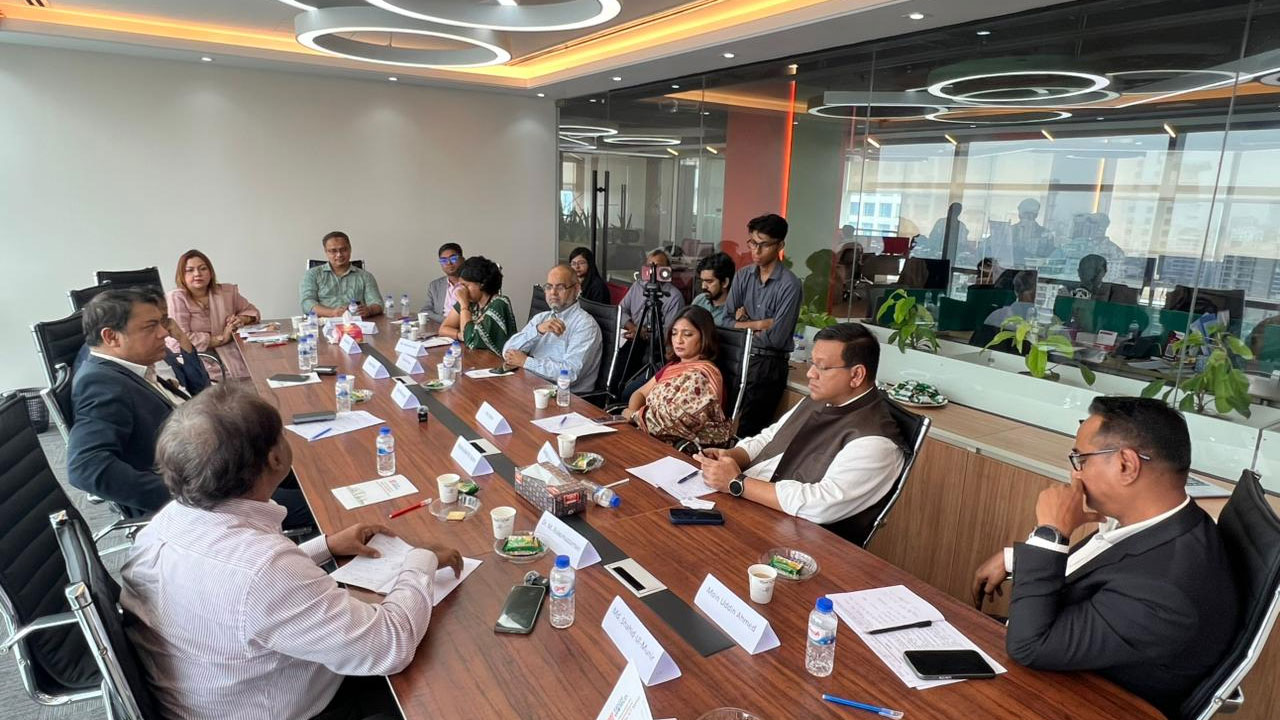
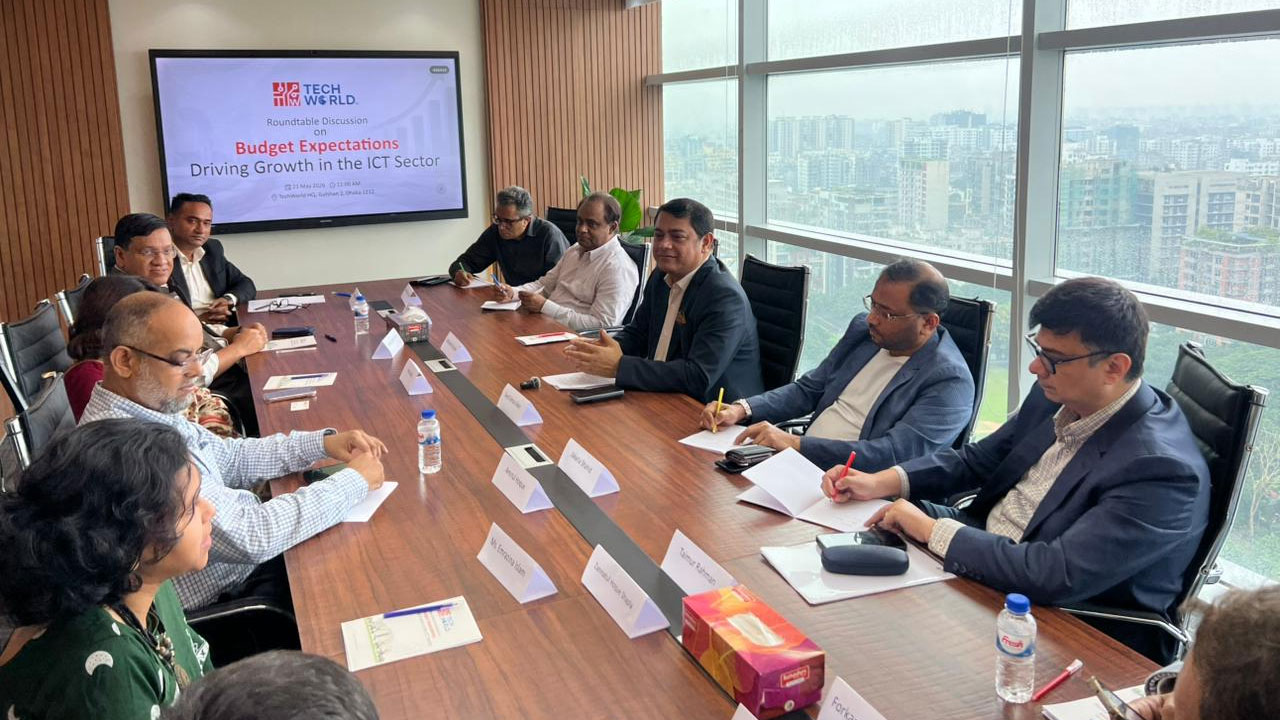
These observations were made by Syed Almas Kabir, a prominent figure in the country's ICT sector and former president of the Bangladesh Association of Software and Information Services (BASIS), at a roundtable discussion organised by TechWorld Bangladesh on Thursday (May 21), ahead of the national budget for FY2026-27. The event brought together stakeholders from across the country's ICT sector.
He said a "New Bangladesh" could not be built through piecemeal policies.
Uncertainty Over Tax Holidays and Investment Challenges
Speaking at the discussion, Syed Almas Kabir said:
Almas Kabir called for the incentive to be made permanent for at least the next 10 years, allowing entrepreneurs to plan long-term with confidence.
VAT Burden on Online Shopping
Expressing concern over the current state of digital commerce or e-commerce, he said, "VAT on online transactions has been increased from 5 percent to 15 percent, which is not justified under any circumstances. Bangladesh's e-commerce sector is still in its infancy. Imposing such a high VAT rate at this stage is discouraging consumers from shopping online."
Almas Kabir proposed that the VAT be completely withdrawn for a specified period. According to him, this would encourage greater adoption of digital transactions and, in the long run, strengthen the government's revenue base.
Internet as an Industrial Raw Material
At the meeting, Syed Almas Kabir highlighted what he described as a critical issue. "Just as yarn or fabric is a raw material for a garment factory, the internet is an essential raw material for the ICT sector. Yet internet services continue to face high taxes and duties."
He urged the government to recognise the internet as a basic utility or industrial input and reduce all associated taxes to make it more affordable for the general public. Without ensuring access to affordable high-speed internet, the expansion of the digital economy will not be possible, he said.
Financing Barriers and Collateral-Free Loans
One of the biggest challenges facing new entrepreneurs in the ICT sector is access to financing.
Almas Kabir noted that banks still require land or fixed assets as collateral before approving loans. However, the primary assets of technology companies are intellectual property, software and coding expertise. As many entrepreneurs do not possess land or other fixed assets to pledge as collateral, they are often unable to access bank financing.
He stressed the need for a dedicated fund for the ICT sector in the upcoming budget and called for long-term financing facilities without requiring any form of fixed-asset collateral.
Time Wasted on Outdated Training Programmes
Addressing skills development, Syed Almas Kabir pointed out the limitations of the government's existing training initiatives. "In many cases, the government is still providing training in areas that have become outdated." Citing an example, he said, "Today, a website can be built within minutes using artificial intelligence tools. Yet month-long courses on web development and SEO continue to feature prominently in training programmes."
He argued that training curricula need to be updated rapidly. Frontier technologies such as artificial intelligence (AI), blockchain, data science and cybersecurity should be prioritised in line with global demand. According to him, Bangladesh's growth in outsourcing and freelancing is slowing because the country is failing to provide the right training at the right time.
Startup Ecosystem and the Power of Youth
Almas Kabir said there is no alternative to building a strong startup ecosystem to engage the country's youth in innovation. "There should be dedicated budgetary allocations to harness the innovative potential of talented young people. An environment must be created where young people can generate employment themselves rather than simply seeking jobs." He also called for substantial investment in research and development (R&D) through collaboration between the public and private sectors.
In conclusion, he said:
"Policymakers must adopt a more forward-looking approach to addressing the challenges facing the ICT sector. Instead of focusing solely on increasing tax collection, efforts should be directed towards creating an environment that allows the sector to grow. A thriving technology sector will generate employment and, indirectly, increase government revenue many times over."