To Power Data Centers
Chevron and Microsoft Launch 2.67GW Natural Gas Project

News Desk
24 June 2026, 14:03
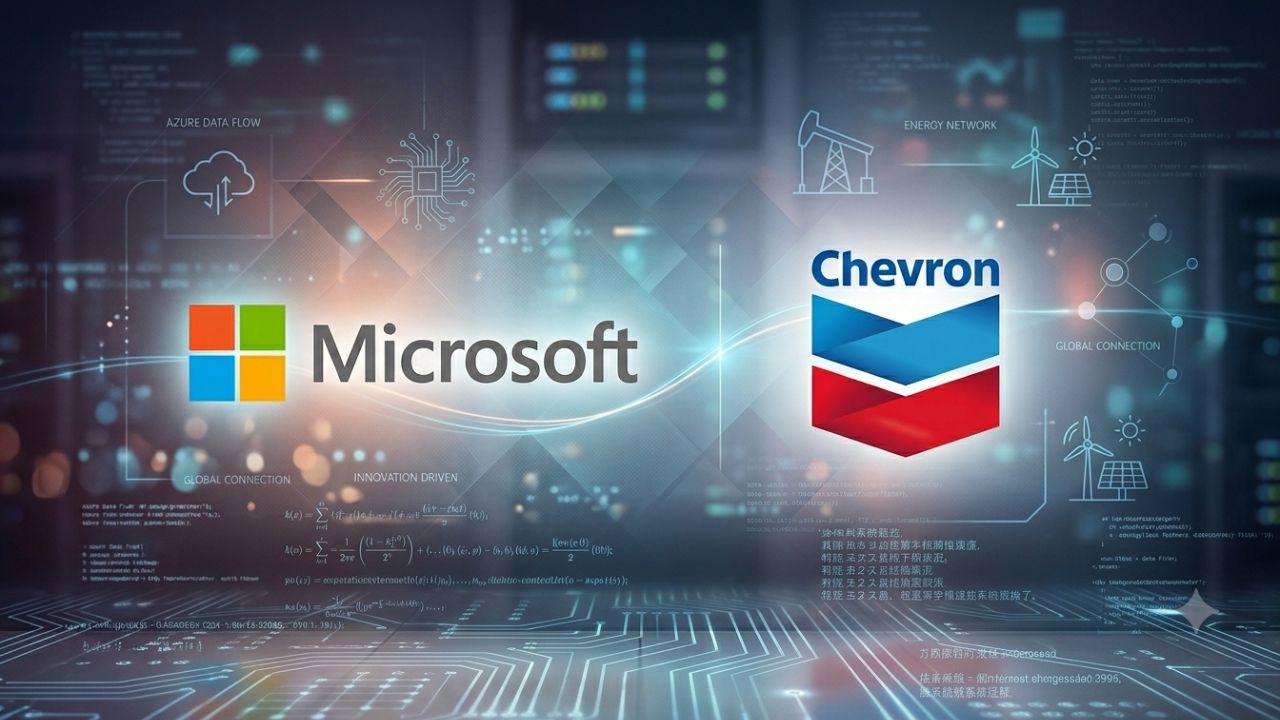
Microsoft and Chevron have unveiled plans for one of the largest gas-powered data center energy projects in the United States, highlighting the growing challenge of meeting the enormous power demands of artificial intelligence infrastructure.
The two companies announced a 20-year power purchase agreement to develop a 2.67-gigawatt natural gas facility in West Texas that will provide dedicated electricity for Microsoft's AI and cloud computing operations.
A Massive Power Project for AI
Known as Project Kilby, the facility is expected to rank among the largest co-located power and data center developments in the country. Under the agreement, Microsoft will purchase electricity generated by the plant for two decades, ensuring a long-term energy supply for its expanding portfolio of AI and cloud services.
The project will rely primarily on natural gas-powered turbines supplied by GE Vernova, while additional generation capacity will come from turbines produced by Solar Turbines, a subsidiary of Caterpillar. The scale of the project reflects the unprecedented surge in electricity demand driven by AI workloads, which require vast amounts of computing power and energy-intensive data centers.
Microsoft’s AI Ambitions Meet Energy Reality
The announcement underscores a growing trend among technology companies seeking dedicated power sources to support next-generation AI infrastructure. As companies race to build larger data centers capable of training and running advanced AI models, securing reliable electricity has become a strategic priority. Traditional power grids in many regions are struggling to accommodate the rapid growth in demand from AI facilities.
By securing power directly from a dedicated plant, Microsoft gains greater certainty over energy availability for future expansion. The project also demonstrates how energy suppliers are increasingly positioning themselves to benefit from the AI boom, with utilities and fossil fuel companies viewing data centers as a major new source of long-term demand.
Sustainability Questions Emerge
While the project addresses Microsoft's growing energy needs, it also raises questions about the company's climate commitments. Microsoft has repeatedly pledged to become carbon negative by 2030 and has invested heavily in renewable energy projects and carbon reduction initiatives. However, a large natural gas-powered facility could make achieving those goals more difficult.
According to estimates cited by the Environmental Integrity Project, Project Kilby could potentially generate:
-
More than 13 million tons of carbon dioxide emissions.
-
Around 3,200 tons of criteria air pollutants.
-
Approximately 278,000 pounds of hazardous air pollutants.
Environmental groups have increasingly warned that the rapid expansion of AI infrastructure could slow progress toward corporate sustainability targets if new computing capacity is powered by fossil fuels rather than renewable energy.
AI’s Growing Energy Challenge
The project highlights a broader industry dilemma: balancing the explosive growth of AI with environmental commitments. Technology companies, including Microsoft, Amazon, Google, and Meta, are investing billions of dollars in new AI infrastructure. However, the energy required to power large-scale AI systems is rising faster than many renewable energy projects can be deployed.
As a result, some companies are turning to natural gas, nuclear power, and other energy sources to ensure sufficient capacity for their data centers. Project Kilby represents one of the clearest examples yet of how the AI boom is reshaping America's energy landscape, creating new opportunities for power producers while intensifying debate over the environmental cost of the next generation of artificial intelligence.