US-China Tech Tensions Escalate as Alibaba Takes Pentagon to Court

News Desk
24 June 2026, 16:43
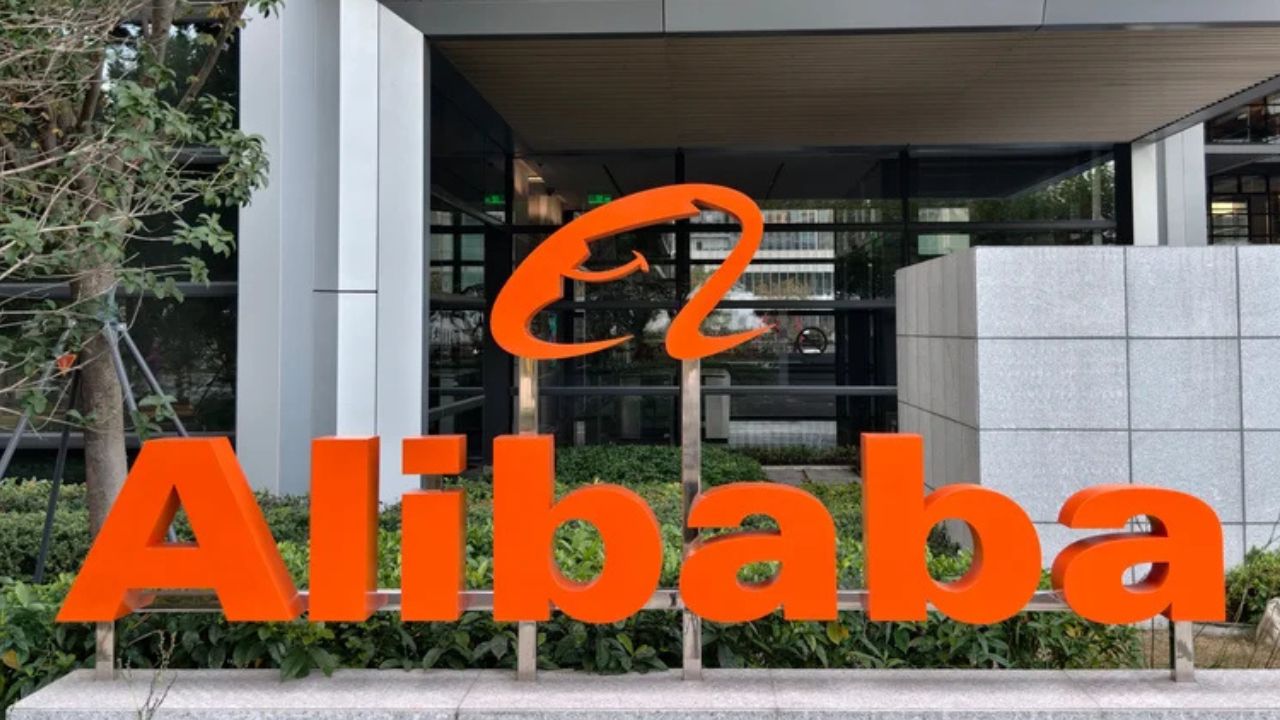
Alibaba has filed a lawsuit against the United States government after being added to a Pentagon list of companies allegedly linked to China’s military, escalating tensions between Washington and one of China’s largest technology firms.
The legal challenge comes after the US Department of Defense included Alibaba in its updated "1260H" list, a designation reserved for companies that the Pentagon believes have connections to the Chinese military or contribute to China's military-civil fusion strategy.
Alibaba argues that the decision is unfounded and is seeking to have its name removed from the list.
Why Alibaba Is Challenging the Designation
In its lawsuit, Alibaba claims its inclusion on the Pentagon blacklist has no factual or legal basis and violates constitutional protections, including due process rights.
The company contends that it operates as a commercial technology business focused on e-commerce, cloud computing, and digital services rather than military activities.
According to reports, Alibaba had previously attempted to engage with US authorities after an earlier version of the list briefly included the company before being withdrawn. The company says it submitted evidence disputing any military affiliation but never received a response from the Defense Department.
Alibaba has also denied claims that any of its board members have ties to the Chinese military.
What the Pentagon List Means
The 1260H list does not automatically impose sanctions on companies that appear on it. However, inclusion can carry significant consequences.
US government agencies, particularly the Department of Defense, face restrictions on doing business with listed companies either directly or through third-party suppliers. The designation can also discourage private-sector partners from maintaining relationships with affected firms due to concerns about future regulatory action or trade restrictions.
Alibaba argues that the listing has already created practical challenges, including difficulties securing legal representation to contest the designation.
Baidu Also Added
The latest Pentagon update added several Chinese companies, including Baidu, often described as China's equivalent of Google due to its dominance in internet search and AI services within the country.
US officials have increasingly scrutinized major Chinese technology firms amid broader concerns about national security, data access, semiconductor development, and potential military applications of commercial technologies.
The Pentagon reportedly classified Alibaba as a contributor to China's military-civil fusion efforts, a strategy through which civilian technological advances can potentially support military development.
Growing US-China Tech Rivalry
Alibaba's lawsuit highlights the increasingly complex relationship between Washington and Beijing as both countries compete for technological leadership.
Over the past several years, the United States has imposed restrictions on numerous Chinese companies across sectors, including telecommunications, semiconductors, artificial intelligence, surveillance technology, and cloud computing.
Chinese firms have frequently argued that such actions are politically motivated and lack sufficient evidence, while US authorities maintain that certain companies could pose national security risks due to their ties to the Chinese government or regulatory obligations within China.
What Happens Next?
The lawsuit could become an important test of how much evidence the US government must provide when placing companies on military-related watchlists.
For Alibaba, the stakes extend beyond reputation. Remaining on the Pentagon's list could complicate partnerships, cloud computing expansion, and business relationships in international markets, particularly among organizations that work closely with the US government.
While the case moves through the courts, the dispute serves as another example of the growing intersection between geopolitics, national security, and the global technology industry.