Is GoPro Mission 1 Pro Worth It for Creators? 8K Power Meets High Price

News Desk
08 June 2026, 14:31
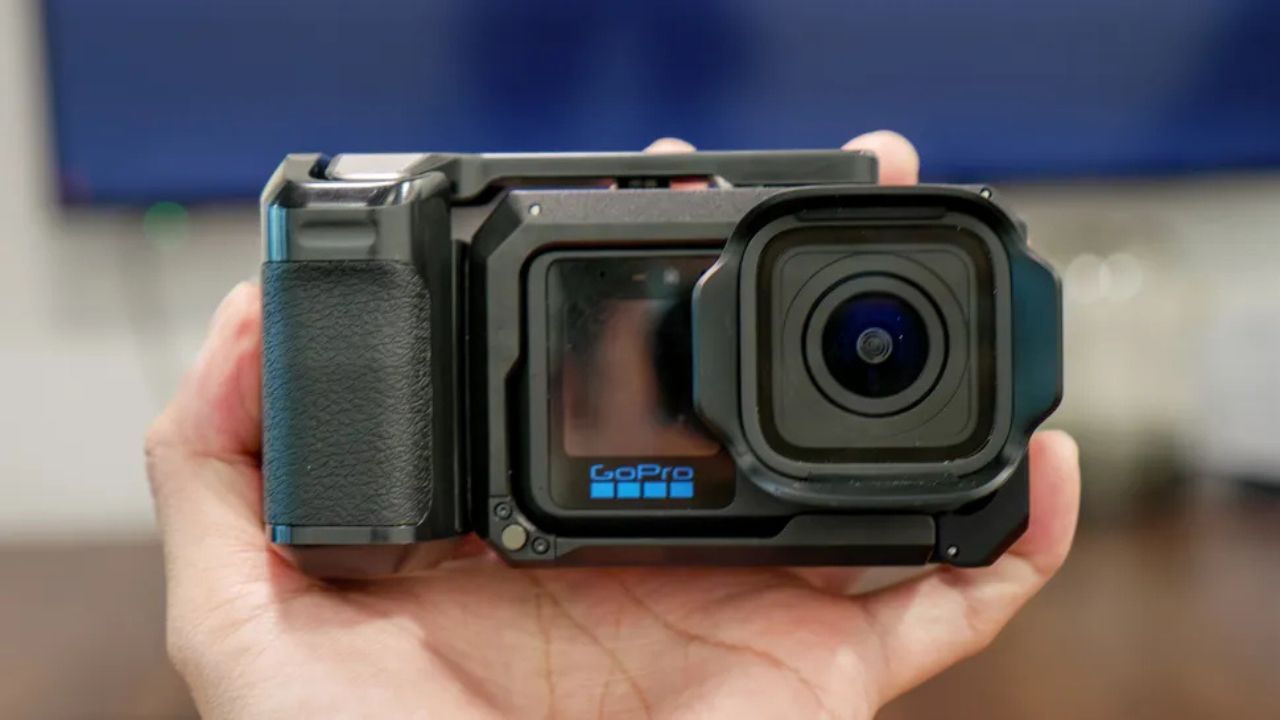
GoPro has introduced its most advanced action camera to date, the Mission 1 Pro, targeting professional creators and extreme sports users who demand top-tier video quality. With 8K 60fps recording, a new 1-inch sensor, and improved low-light performance, the device positions itself at the premium end of the action camera market - though at a significantly higher price than its competitors.
For Bangladeshi content creators, vloggers, travel filmmakers, and freelancers working on platforms like YouTube, TikTok, and Facebook Reels, the camera represents both an opportunity for higher production quality and a serious investment consideration.
New 1-Inch Sensor and 8K Video Capability
At the core of the Mission 1 Pro is a 1-inch 50-megapixel sensor measuring 13.2 x 8.8mm, making it one of the largest sensors ever used in an action camera. According to the company, this larger sensor significantly improves light capture, dynamic range, and overall image clarity.
The camera supports up to 8K video at 60 frames per second, along with 4K recording at up to 240fps for high-quality slow motion. It also offers open-gate 8K recording in a 4:3 aspect ratio, allowing creators to crop footage for different platforms without losing detail—an important feature for multi-platform content creators.
GoPro has also introduced different shooting modes, including ultra-wide “Superview,” standard wide-angle, and linear mode for reduced distortion. These options give users flexibility depending on whether they are shooting action sports, travel footage, or cinematic content.
Design, Build and Usability
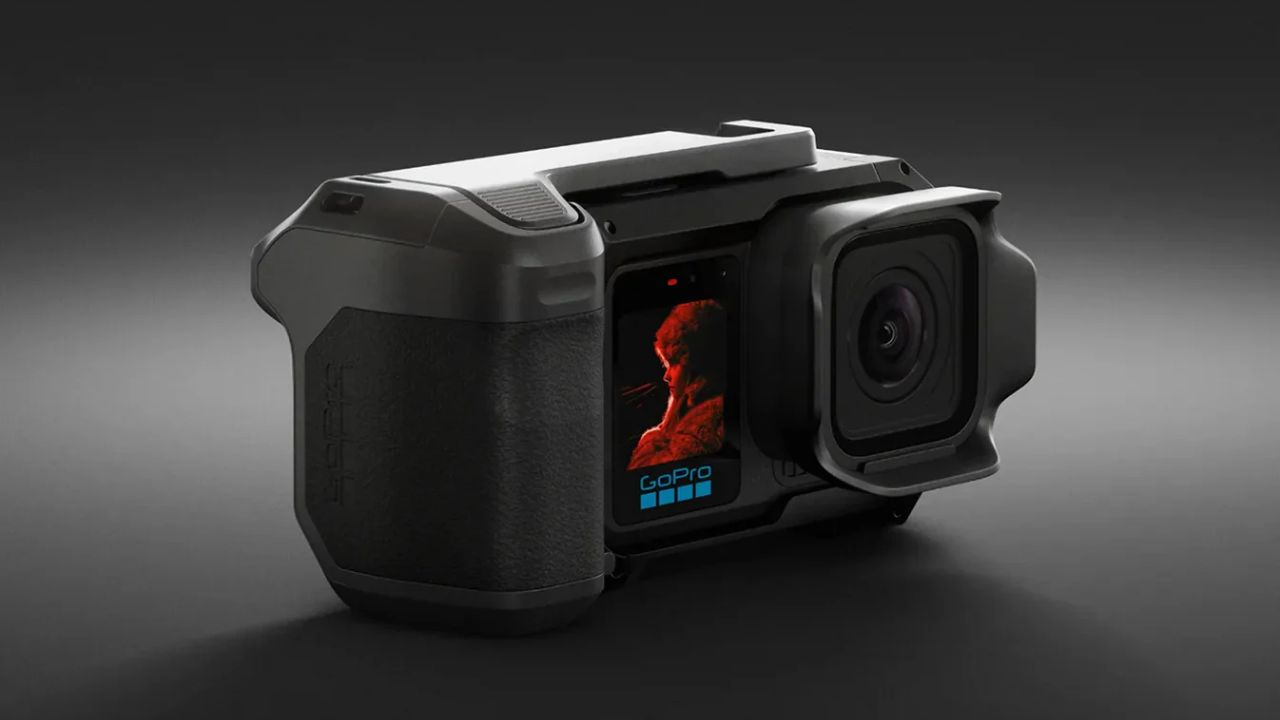
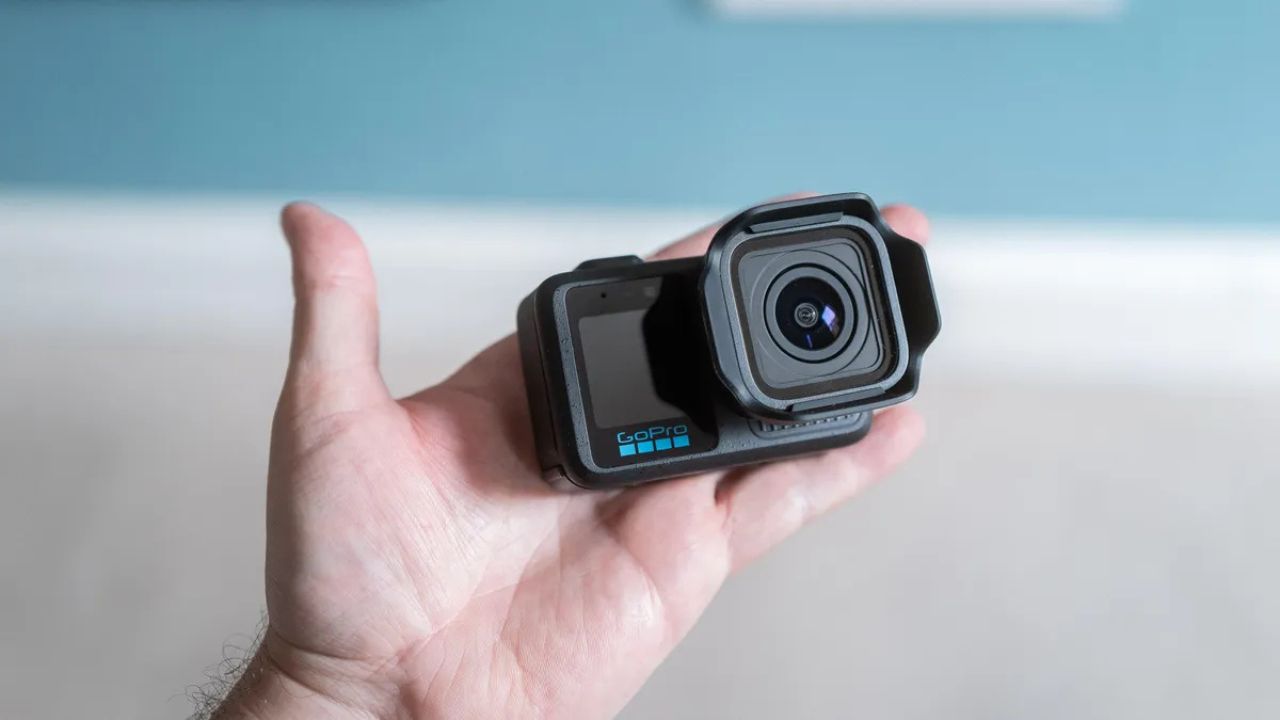
The Mission 1 Pro is slightly heavier and thicker than the GoPro Hero 13, weighing around 0.46 pounds. While the added size may be noticeable when mounted on helmets or handheld rigs, it is less of an issue for chest mounts or vehicle-based filming setups.
The camera features improved physical controls, making it easier to operate during fast-paced activities such as biking or skiing. GoPro has also refined its interface, grouping key settings like shutter speed, color profiles, and stabilization into a more accessible menu layout.
It comes with a larger 1.4-inch front display and a 2.59-inch rear OLED screen, both designed for better visibility under bright outdoor conditions—an important factor for users shooting in Bangladesh’s strong daylight environment.
Video Quality and Low-Light Performance
In real-world performance, the Mission 1 Pro delivers what GoPro claims is its best-ever image quality. The combination of a larger sensor, 10-bit GP-Log2 support, and high bitrate recording produces detailed, color-accurate footage suitable for professional editing workflows.
Daylight footage appears sharp and cinematic, with improved dynamic range that preserves both highlight and shadow detail. Even when footage is downscaled to 4K, the additional 8K data allows for reframing and cropping without noticeable quality loss.
Low-light performance is also improved compared to previous GoPro models and rivals like DJI’s Osmo Action 6. While it is still not a replacement for dedicated low-light cameras, it performs well in evening environments such as city streets, forests, and indoor events with limited lighting.
Battery Life and Thermal Management
One of the standout improvements in the Mission 1 series is battery performance. According to GoPro, the new Enduro 2 battery delivers more than three hours of recording at 4K 30fps, which is nearly double the runtime of the previous generation.
Even at demanding settings such as 8K 60fps, the camera can record for over an hour under real-world conditions. Charging speed has also improved, reaching full charge in about one hour with USB-C Power Delivery support.
However, like most high-resolution action cameras, thermal limits still apply. At maximum settings, recording time may be reduced during stationary use without airflow, although movement such as biking helps maintain stable performance.
Limitations: Price and Storage
Despite its strong performance, the Mission 1 Pro has some drawbacks. The most significant is its price, which places it well above mid-range action cameras in the market. For many users in Bangladesh, this positions it firmly as a professional or high-end enthusiast device.
Another limitation is storage. Unlike some competitors that include built-in high-speed storage, the Mission 1 Pro relies entirely on microSD cards, which adds additional cost and management considerations for users working with large 8K files.
Accessories and Creator Ecosystem
GoPro is also expanding its accessory ecosystem with new professional tools, including media modules, wireless microphones, ND filters, and advanced grip systems. These accessories are designed for vloggers, filmmakers, and content creators who require better audio control and production flexibility.
For Bangladeshi creators, especially those working in travel, adventure, and freelance video production, this ecosystem could be valuable for building a complete mobile production setup.
Closing Perspective
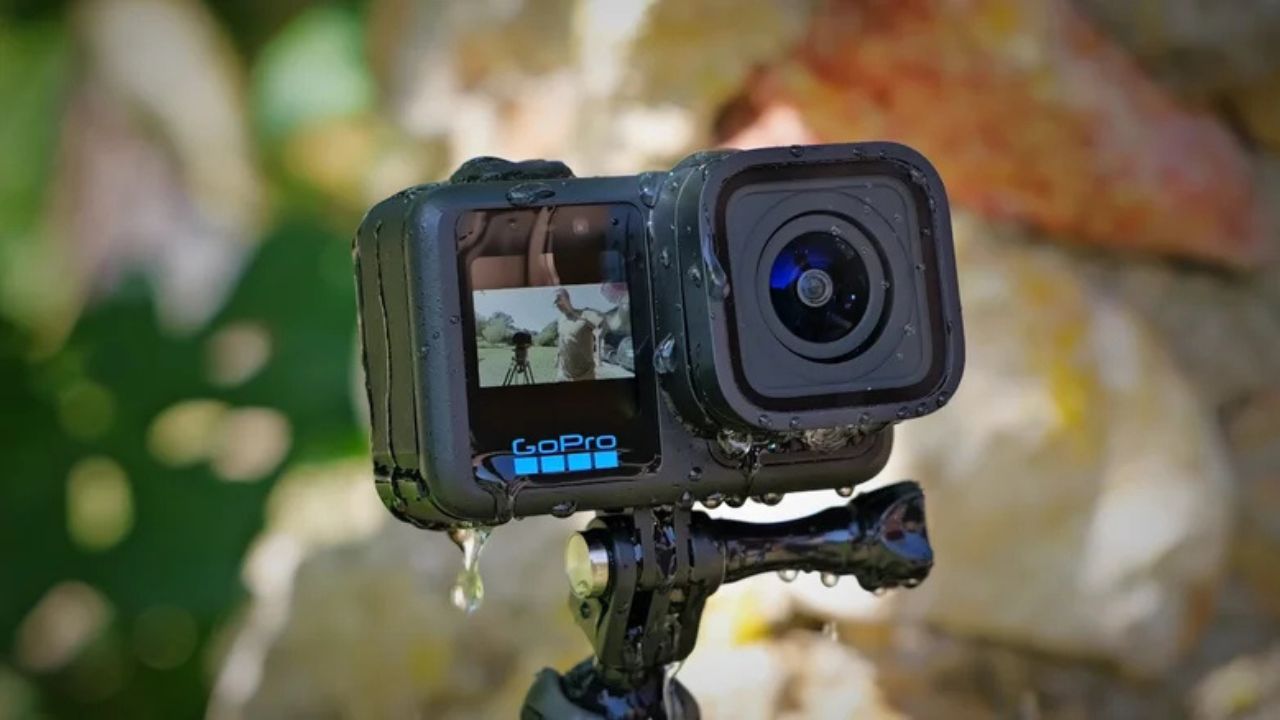
The GoPro Mission 1 Pro clearly targets creators who prioritize image quality above everything else. Its 8K recording, large sensor, and improved stabilization make it one of the most capable action cameras currently available.
However, its high price and lack of internal storage mean it is not a mainstream purchase. Instead, it is best suited for professional filmmakers, established YouTubers, and serious enthusiasts who need top-tier footage quality for competitive content creation.
As action camera competition intensifies, especially with DJI and other Chinese brands offering cheaper alternatives, GoPro is positioning the Mission 1 Pro as a premium creative tool rather than an entry-level device.