Microsoft Introduces More Affordable Surface PCs With 8GB Memory

News Desk
25 June 2026, 10:35
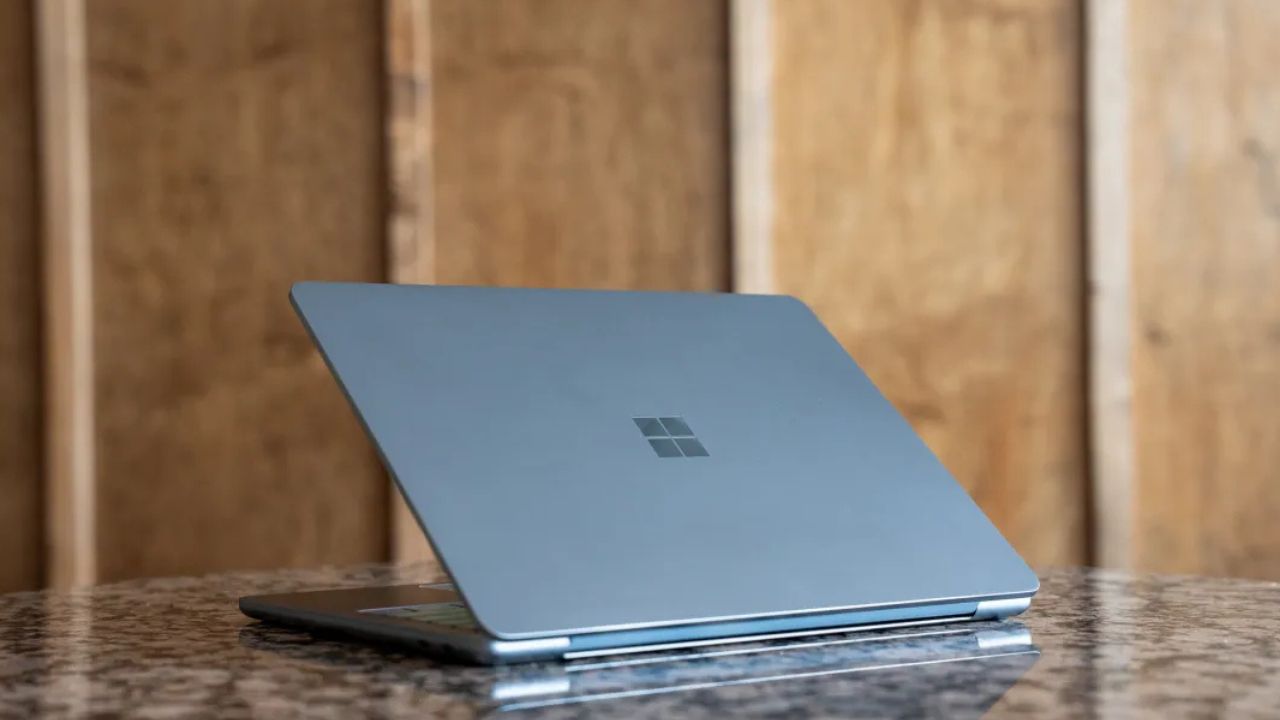
Microsoft has introduced lower-priced versions of its latest Surface Pro and Surface Laptop devices, but the reduced cost comes with a significant compromise: half the memory of the original models. The company has quietly added new configurations featuring 8GB of RAM, lowering the entry price for both devices while removing support for some of Microsoft's flagship AI features.
Lower Prices, Less Memory
The new 12-inch Surface Pro now starts at $849, while the 13-inch Surface Laptop begins at $949. Both devices are equipped with 8GB of RAM and 256GB of storage, making them more affordable than the higher-end configurations currently available.
When Microsoft originally launched these devices in 2025, the base models included 16GB of RAM and 256GB of storage, priced at $799 for the Surface Pro and $899 for the Surface Laptop. However, the company increased prices earlier this year, pushing the starting prices to $1,049 and $1,199 respectively. The newly introduced 8GB variants effectively create a lower-cost entry point for consumers looking to join the Surface ecosystem.
Same Hardware, Different Memory
Aside from the reduced RAM, the new models retain the same core hardware as their more expensive counterparts.
Both devices feature:
- Qualcomm Snapdragon X Plus processor
- 8-core CPU architecture
- 256GB storage
- Identical display and design
- Same battery and connectivity features
Microsoft has not altered the processor, chassis, or overall user experience outside of the memory reduction.
For everyday tasks such as web browsing, office productivity, media consumption, and video conferencing, 8GB of RAM may still be sufficient for many users. However, power users running multiple applications simultaneously could encounter limitations compared to the 16GB models.
No Copilot+ PC Features
The biggest drawback of the new entry-level Surface devices is the loss of Copilot+ PC support. Microsoft requires at least 16GB of RAM for its Copilot+ certification, meaning the new 8GB models cannot access several AI-powered features integrated into Windows.
As a result, buyers will miss out on some of Microsoft's most heavily promoted AI capabilities, despite purchasing hardware powered by the same Snapdragon X Plus processor. The move highlights how memory capacity is becoming increasingly important as AI features become more integrated into modern PCs.
Facing Growing Competition
Microsoft's decision comes as competition in the laptop market continues to intensify. While the new Surface models are less expensive than Microsoft's current higher-end offerings, they still face pressure from lower-cost alternatives.
One notable challenger is Apple's recently launched MacBook Neo, which starts at $599 and has gained attention for offering strong performance at a significantly lower price point. With consumers increasingly focused on value, Microsoft appears to be balancing affordability against performance and AI capabilities in an effort to expand the appeal of its Surface lineup.