An Overlooked TV Port Holds the Key to Advanced Home Automation

News Desk
08 June 2026, 17:52
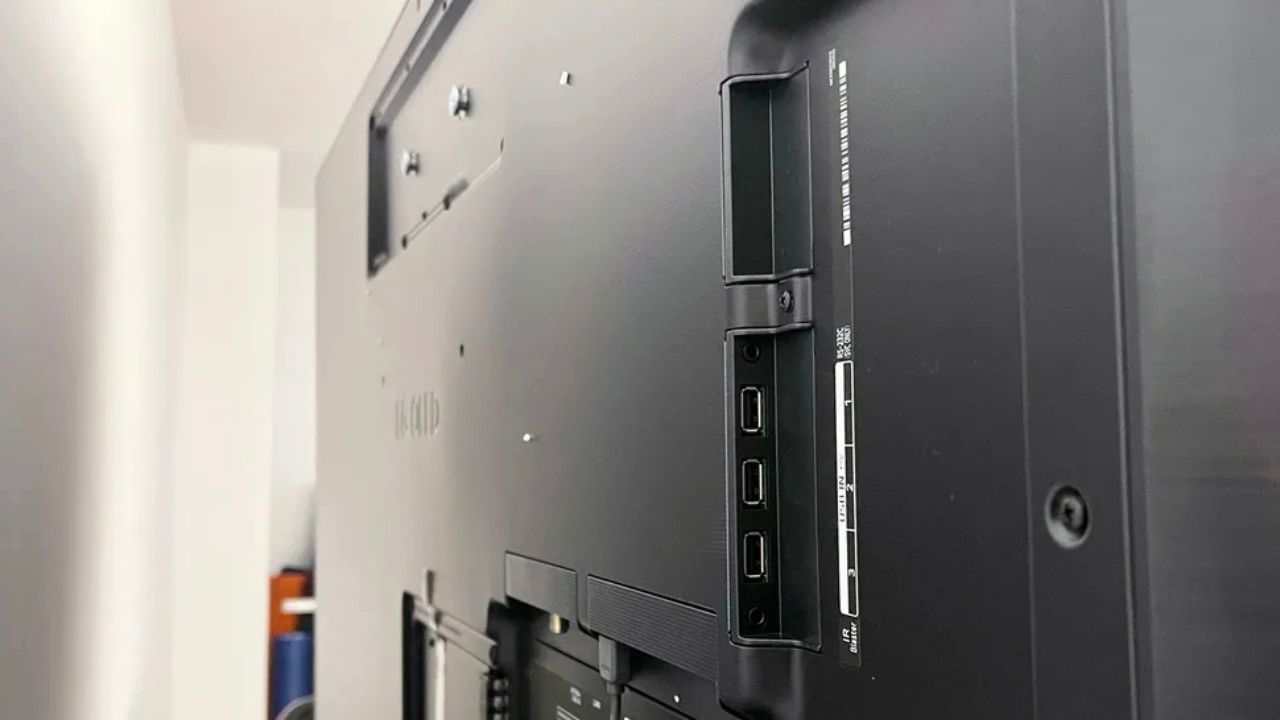
Although largely unknown to most users, the RS-232 serial port found on the back of many modern smart TVs can enable advanced automation, precise control and multi-room content management. The port is gradually gaining attention in home smart automation setups, particularly among tech-savvy users.
What is an RS-232 Serial Port and What Does It Do?
The nine-pin connector located on the back of some televisions is commonly known as an RS-232 serial connection. It is primarily used in factories and service centres for testing TV performance, debugging software and diagnosing hardware issues.
Technicians use specialised devices to assess signal strength, software errors and electrical faults through this port. However, its applications extend beyond professional servicing. It is also widely used in commercial environments to display the same content across multiple screens.
This technology is commonly deployed in airports, hospitals and office buildings, where the same message or advertisement is broadcast simultaneously on several displays.
Which TVs Come With an RS-232 Port?
Not all televisions include this port. It is generally found on high-end models or displays designed for commercial use. Some mid-range brands may offer it on specific models, but it is largely absent from lower-cost consumer TVs.
The port is more commonly seen in televisions built for premium home theatre systems or professional installations, as these models offer greater flexibility for control and automation.
How Can the RS-232 Port Be Used at Home?
Using this port is not straightforward for the average user. A certain level of technical knowledge and programming expertise is typically required.
In most cases, users need an RS-232 cable or adapter along with a computer. Once connected, the TV can be controlled through specific commands or code-based instructions. More advanced setups often rely on a central control system that can manage multiple televisions, inputs and outputs from a single interface. Such systems allow users to schedule video playback or distribute different content to separate rooms.
Programming Languages and System Integration
The programming language used depends on the software and hardware involved in the setup. In some cases, control systems are built using Python, Java, C++ or HTML-based interfaces. Users typically need to write commands or configure settings according to their specific setup. Online platforms and open-source resources can also be used to create dedicated control modules for particular TV brands.
Home Use and Troubleshooting
Compact signal testers designed for monitoring TV status through the RS-232 port are also available at relatively affordable prices. These devices are compatible with Windows, Mac and Linux systems.
Such testers can verify whether the port pins are functioning correctly, assess signal strength and confirm proper communication with a computer. If any issues arise, they can provide detailed diagnostic information that helps speed up troubleshooting. For users of Home Assistant or advanced smart home systems, the RS-232 port can serve as a powerful control interface. While it is generally more reliable than infrared remotes or CEC-based technologies, it is also more complex and time-consuming to set up.
Source: Tech Yahoo